


Why Smaller is Better in the Arctic
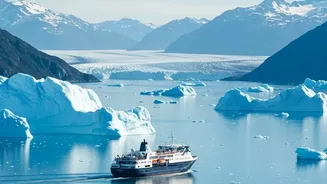
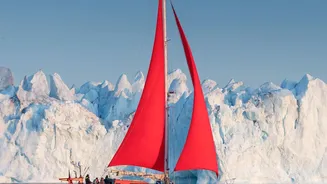
While massive cruise ships can offer a taste of the Arctic, they are often too large to navigate the narrow fjords and shallow bays where Greenland's most secluded communities are nestled. Small-group expedition cruisers, on the other hand, are built
for this environment. Their size allows them to access remote harbours, providing a more intimate and flexible travel experience. This means more time ashore and fewer people, fostering genuine interactions with local communities and minimizing the environmental footprint. These voyages prioritize cultural immersion, allowing passengers to step directly into the daily life of some of the most remote settlements on Earth, often with expert guides who provide deep context on Inuit culture and history.
Ittoqqortoormiit: The Edge of the World
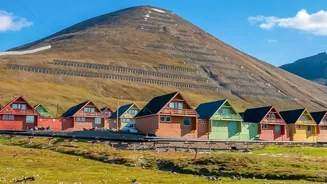
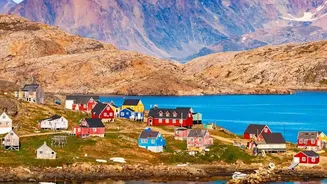
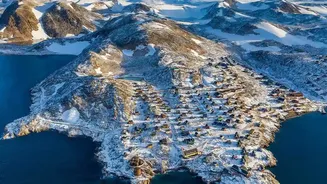
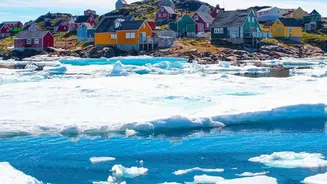
Perched at the mouth of the world's largest fjord system, Scoresby Sund, Ittoqqortoormiit is one of the most isolated towns in Greenland. For much of the year, it is locked in by sea ice, making summer expedition cruises one of the only ways for visitors to arrive. With a population of just a few hundred, life here revolves around traditional hunting and fishing. Visitors can wander among the brightly painted wooden houses, visit the local museum to see historical photos and tools, and witness the importance of sled dogs, which are essential for winter travel. The experience is a powerful glimpse into a resilient culture thriving in an extreme environment.
Qaqortoq: Art and History in the South
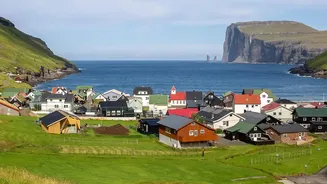
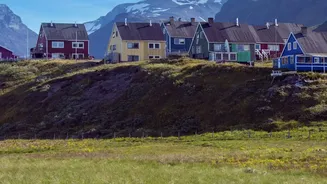
As the largest town in South Greenland, Qaqortoq feels like a bustling hub compared to its more remote counterparts, yet it retains an undeniable charm. Its colourful houses are built on a steep hillside overlooking the fjord, and the town is a favorite stop for cruise ships. Qaqortoq is known for its thriving arts scene, most notably the 'Stone and Man' project, an open-air collection of over 30 sculptures carved into the town's granite bedrock by local and Nordic artists. Visitors can explore Greenland's only fountain, wander through the historic colonial-era buildings around the main square, and visit the local fish and meat market. Nearby excursions often lead to the Uunartoq hot springs or the Hvalsey Church ruins, the best-preserved Norse ruin in Greenland.
Sisimiut: A Blend of Old and New
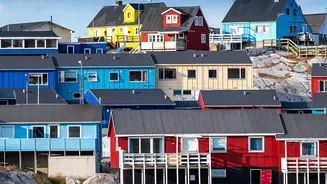
Situated just north of the Arctic Circle, Sisimiut is Greenland's second-largest town and offers a fascinating mix of modern life and ancient tradition. The historic colonial quarter features a museum housed in beautifully preserved 18th-century buildings, offering deep insight into local history and the ancient Saqqaq culture. As a hub for adventure, Sisimiut is the starting point for the famous Arctic Circle Trail, a long-distance hiking route. Visitors can also experience dog sledding, go on sea safaris in the fjord, and learn about the continued importance of kayaking in Inuit culture. A city tour reveals how this community expertly balances its rich heritage with the amenities of a contemporary town.
Tasiilaq: Gateway to East Greenland
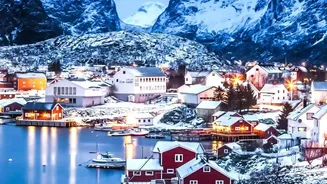
Tasiilaq is the largest town in sparsely populated East Greenland, set against a stunning backdrop of jagged mountains and the King Oscar Fjord. Known for its dramatic landscapes, the area is a paradise for hikers, kayakers, and those seeking raw, untouched wilderness. The town itself is a vibrant community where visitors can explore the local artisan's workshop, Stunk, and visit the Tasiilaq Museum, which is located in a former church built from the timber of a shipwrecked vessel. Due to its isolation, the culture here has distinct qualities, offering a different perspective on Greenlandic life. Small ships can navigate the iceberg-filled waters, giving travellers a front-row seat to the calving glaciers and immense beauty of the Sermilik Fjord nearby.