

The Accessible Adventures: Nepal and Bhutan
For those looking to get their first taste of international road-tripping, Nepal and Bhutan are the perfect starting points. Indian citizens can enter both countries without a visa, making the human part of the journey straightforward. For Nepal, you
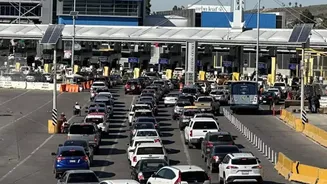
can drive your own vehicle after obtaining a temporary import permit, known as a 'Bhansar', at the border crossing. This involves a daily fee and is relatively easy to acquire for a limited duration, typically up to 30 days in a calendar year. The most popular entry point is the Sunauli border in Uttar Pradesh. Bhutan, while also visa-free, has more structured requirements for vehicles as of 2026. Drivers must now pay a daily 'Green Tax' of around ₹4,500 for their vehicle. Furthermore, it's mandatory to hire a licensed Bhutanese guide who must accompany you for the duration of your trip. You'll also need to secure a vehicle permit at the point of entry, like Phuentsholing. While this adds to the cost, it ensures a well-managed and sustainable travel experience in the pristine Himalayan kingdom.
The Grand Tour: The Road to Thailand
The ultimate prize for many Indian road-trippers is the journey to Thailand via the India-Myanmar-Thailand (IMT) Trilateral Highway. While this 1,400-km route from Moreh in Manipur to Mae Sot in Thailand has been discussed for years, it's important to understand its current status. As of mid-2026, the highway is not yet a seamless, drive-at-your-own-pace corridor for tourists. While significant progress has been made, with renewed diplomatic efforts to fast-track its completion, navigating this route remains a serious undertaking. Crossing into Myanmar with an Indian-registered vehicle is complex. It is not a simple visa-on-arrival situation. Travellers must arrange everything in advance, which includes obtaining a special overland permit, a Myanmar visa, and hiring a government-approved local guide and an escort vehicle for the entire transit. This is not an independent journey but a planned convoy.
The Most Important Document You've Never Heard Of
For any serious international road trip beyond Nepal and Bhutan, you will need a Carnet de Passages en Douane, or CPD. Think of it as a passport for your vehicle. The CPD is an international customs document that guarantees you will take your vehicle back out of the country you entered. It saves you from having to pay a hefty cash deposit at the border, which can sometimes be up to 200% of your vehicle's value. Countries like Myanmar, Thailand, and Bangladesh all require a CPD for foreign vehicles to enter. In India, the Western India Automobile Association (WIAA) is an authorized issuer of the Carnet. Applying for one involves submitting paperwork about your vehicle and providing a significant security deposit or bank guarantee, which is refunded after you successfully complete your trip and return the vehicle to India.
Your Vehicle and Paperwork Checklist
Before you even think about fuelling up, get your documents in order. For yourself, a valid passport with at least six months of validity is non-negotiable. For Nepal and Bhutan, a Voter ID card is also accepted for entry, but a passport is always recommended. For your vehicle, ensure you have the original Registration Certificate (RC), a valid Pollution Under Control (PUC) certificate, and comprehensive insurance that covers international travel if possible. If you are not the registered owner of the vehicle, you will need a notarized authority letter from the owner permitting you to take it abroad. Make multiple copies of all documents and keep digital backups on your phone and in the cloud. Check the specific tyre tread and vehicle condition requirements for the countries you plan to visit, as some have strict regulations.
Planning for Reality on the Road
Beyond the permits, the reality of a cross-border trip involves careful planning. Fuel availability, road conditions, and local driving etiquette can vary drastically once you cross the border. Research your route meticulously. Download offline maps, as mobile connectivity can be patchy. Carry a basic toolkit and know how to perform minor repairs on your vehicle. It is also wise to inform the Indian embassy in the countries you are visiting about your travel plans. For complex routes through countries like Myanmar, using an experienced and reputable tour operator who specialises in overland expeditions is highly recommended. They can handle the complex web of permits, guides, and hotel bookings, leaving you free to enjoy the drive.