





The Platform Predicament
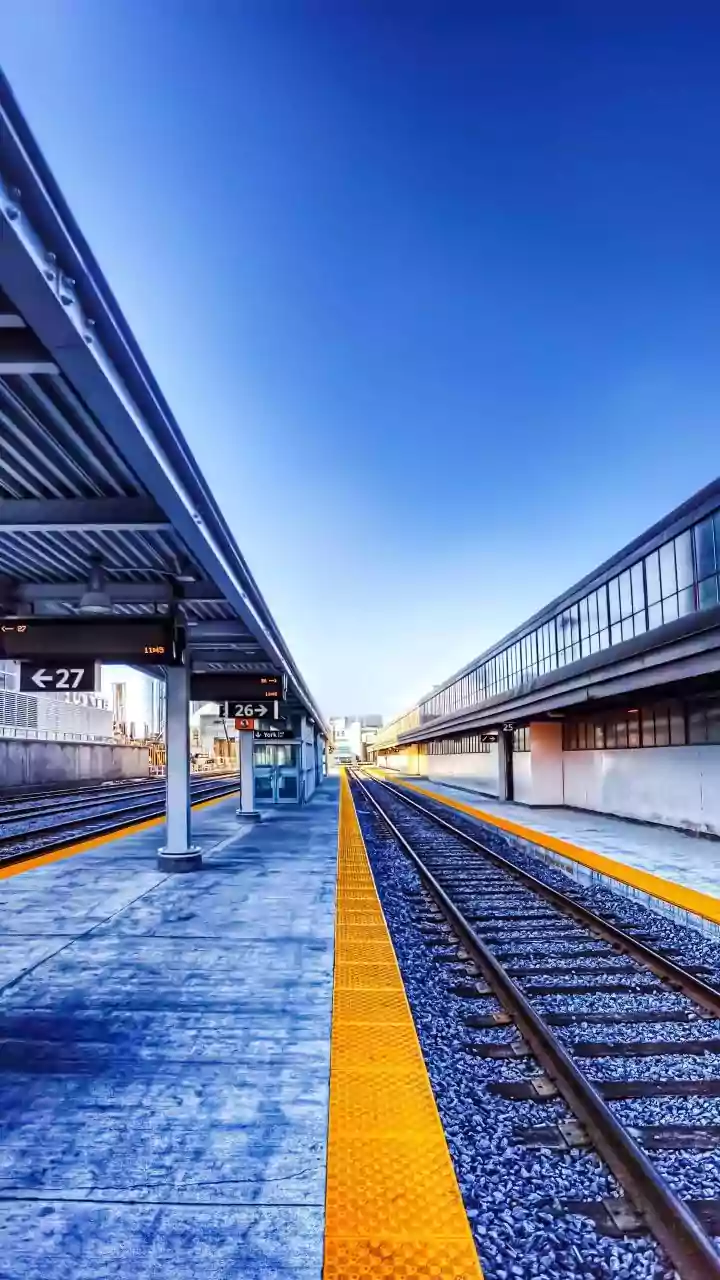
Anyone who has travelled by train from a major metropolitan station in India knows the routine. You navigate through a sea of people only to arrive at a platform that is a universe of controlled chaos. Passengers crane their necks to see faint coach indicators,
porters hustle with oversized luggage, and families scramble to find their designated doors on a 24-coach train that seems a kilometre long. The final ten minutes before departure transform the platform into a high-stakes obstacle course where every passenger is for themselves. This pre-departure pandemonium is more than just a cultural quirk; it is a serious issue of safety and efficiency. The stress and confusion can be particularly harrowing for the elderly, persons with disabilities, and those travelling with small children. It’s a recurring crisis that plays out hundreds of time a day across the country, a direct result of systems that were not designed for the immense passenger volumes they now handle.
A Problem of Scale and Design
Indian Railways operates one of the largest networks in the world, carrying millions of people daily. However, the infrastructure at many of its busiest stations has not evolved to manage this scale effectively. Stations like Howrah, New Delhi, and Mumbai CSMT handle passenger footfalls that rival small cities, yet their platform management strategies often remain rudimentary. The primary issue is a failure to adequately channel passenger flow. While initiatives like the Amrit Bharat Station Scheme aim to modernise stations with wider foot-over-bridges, improved waiting halls, and better signage, these upgrades often focus on the station building rather than the critical platform-coach interface. The core of the problem lies on the platform itself, where hundreds of people are trying to board a single train simultaneously through narrow doors, creating dangerous bottlenecks. This is compounded by the lack of clear, dynamic information directing passengers to the precise location of their coach well before the train arrives.
Why Current Systems Fall Short
Current crowd management techniques, while improving, are often reactive. Indian Railways has begun implementing strategies learned from events like the Maha Kumbh, such as using holding areas to control platform access and increasing CCTV surveillance. These measures help prevent dangerous overcrowding on the platform as a whole, but they do not solve the boarding scramble itself. Once passengers are on the platform, they are largely left to their own devices. Static digital displays that announce coach positions are a step up from paper charts, but they are often too small, poorly located, or updated too late to be effective. The fundamental flaw is the 'all at once' approach. By allowing every passenger for a given train to access the platform and attempt to board simultaneously, chaos is almost guaranteed. There is no system to stagger the process, which is a standard practice in other high-volume transit systems like airlines.
A Blueprint for Better Boarding
The solution lies in adopting a structured, phased boarding process, much like the zonal boarding used by airlines. Imagine a system where passengers are called to board based on their coach numbers. Passengers in coaches at the front and rear of the train could be asked to board first, followed by those in the middle. This could be managed through clear, colour-coded pathways on the platform, large dynamic overhead displays, and coordinated announcements. Furthermore, technology can play a much larger role. The Indian Railways app could provide real-time guidance, directing a passenger to the exact spot on the platform where their coach door will halt. Holding areas, which are currently used to prevent overcrowding, could be repurposed as pre-boarding zones where passengers are organised by coach number before being allowed onto the platform in a systematic manner. This would transform the final minutes from a frantic rush into an orderly procession, improving safety, reducing passenger stress, and potentially even decreasing station dwell times for trains.