





Why Are Car Prices Still Climbing?
The trend of increasing car prices is expected to continue into September 2026. Major automakers like Hyundai and Tata have already announced price hikes of up to 1-2%, citing a combination of factors. Persistent issues such as high costs for raw materials
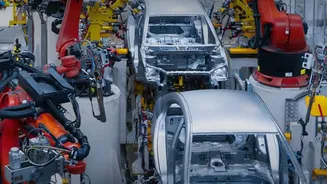
like steel and aluminium, increased operational expenses, and global supply chain pressures are compelling manufacturers to pass on some of the burden to customers. Additionally, the continuous integration of advanced technology, safety features, and the industry's shift towards electric and hybrid models contribute to the higher sticker prices on new vehicles. This means buyers entering the market must be prepared for a higher baseline cost than in previous years.
Step 1: Redefine Your Budget
In a high-cost environment, your first move is to establish a firm and realistic budget. This goes beyond just the ex-showroom price. You must account for the total on-road cost, which includes registration, road tax, and mandatory insurance. Financial experts often recommend the 20/4/10 rule: a 20% down payment, a loan tenure no longer than four years, and ensuring your total monthly transport costs (including EMI and fuel) don't exceed 10% of your income. A larger down payment is always beneficial as it reduces your loan amount, leading to lower monthly payments and less interest paid over the tenure. Setting a strict budget prevents you from overstretching your finances for features you may not truly need.
Step 2: Re-evaluate the New vs. Used Debate
The classic dilemma of buying new versus used has a new dimension in 2026. While a new car offers the latest technology and a full warranty, it also suffers from steep depreciation, losing a significant chunk of its value in the first few years. The used car market, which is projected to grow substantially, offers a compelling alternative. A two-to-four-year-old vehicle can provide a near-new experience and more features for a much lower price. The rise of organised and certified pre-owned platforms has also increased transparency and trust, making used cars a more reliable option than ever before for first-time buyers and those looking for better value.
Step 3: Secure Smart Financing
Don't accept the first loan offer you receive. Interest rates significantly impact the total cost of your car, so it pays to shop around. Before approaching lenders, check your CIBIL score; a score above 750 will give you greater negotiating power for lower interest rates. Get pre-approved loan offers from multiple banks and financial institutions to compare not just the interest rate but also processing fees, prepayment penalties, and loan tenure options. A pre-approval also strengthens your position when negotiating the final car price at the dealership, as it separates the car deal from the financing deal. Aim for the shortest loan tenure you can comfortably afford to minimise the total interest paid.
Step 4: Master the Art of Negotiation
Even in a seller's market, there is always room to negotiate. Your research is your best tool. Walk into the dealership armed with price quotes from competitors. Focus on negotiating the final 'on-road' price, not just the ex-showroom tag, as dealers often have significant margins on insurance and accessories. You can save a considerable amount by getting your own insurance quote online and asking the dealer to match it. Be polite but firm, and always be prepared to walk away if the deal doesn't meet your budget. Often, a dealership will call back with a better offer once they see you are a serious but discerning buyer.