



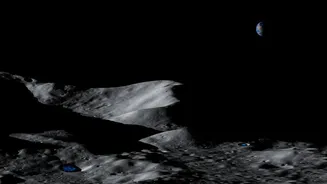
A Frozen Treasure in Shadowy Craters
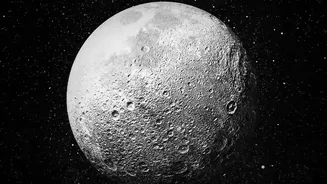
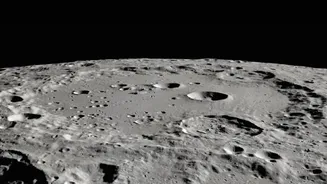
The story of lunar water is a modern tale of discovery. While early Apollo samples suggested the Moon was anhydrous, missions in the 21st century, including India's Chandrayaan-1 and NASA's Lunar Reconnaissance Orbiter (LRO), rewrote the book. They confirmed
the presence of water, not in flowing rivers, but as ice mixed with dust and rock in permanently shadowed regions (PSRs) near the lunar poles. These are some of the coldest places in our solar system, inside deep craters where sunlight has not reached for potentially billions of years. The ice isn't a solid sheet but is thought to be mixed into the lunar soil, or regolith, in concentrations that could be as high as 5-10% in some spots. Estimates suggest there could be over 600 billion kilograms of water ice at the poles.
More Than Just a Drink for Astronauts
While providing drinking water for astronauts is an obvious benefit, it's just the tip of the iceberg. The true value of lunar water lies in its chemical components: hydrogen and oxygen (H2O). Using electricity, which can be generated by solar panels on nearby sunlit crater rims, water can be split into its constituent elements through a process called electrolysis. The oxygen can be used for breathable air in habitats, but more importantly, liquid oxygen and liquid hydrogen are the most powerful and efficient chemical rocket propellants known. This process, known as In-Situ Resource Utilization (ISRU), means turning a local resource into a usable product on-site, rather than hauling everything from Earth.
The Ultimate Refueling Station in the Sky
Launching anything from Earth is incredibly expensive, largely because of the immense amount of fuel needed to escape our planet's gravity. A significant portion of any rocket's mass is the propellant it carries. Now, imagine a future where a spaceship could launch from Earth with just enough fuel to get to lunar orbit, and then top up its tanks for a longer journey. By mining water ice and converting it into rocket fuel on the Moon, our celestial neighbour transforms from a destination into a critical logistics hub—a refuelling station for deep space. This dramatically reduces the cost and complexity of missions to Mars and beyond, as the need to launch heavy tankers of fuel from Earth would be eliminated.
Fueling the Gateway to Mars
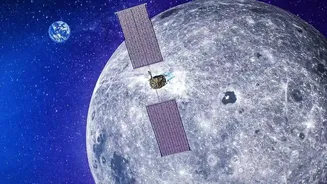
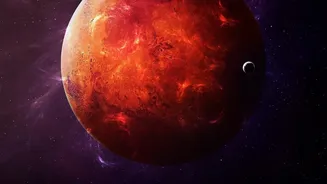
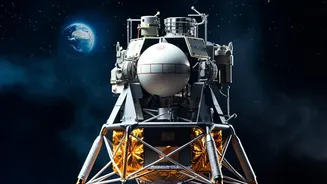
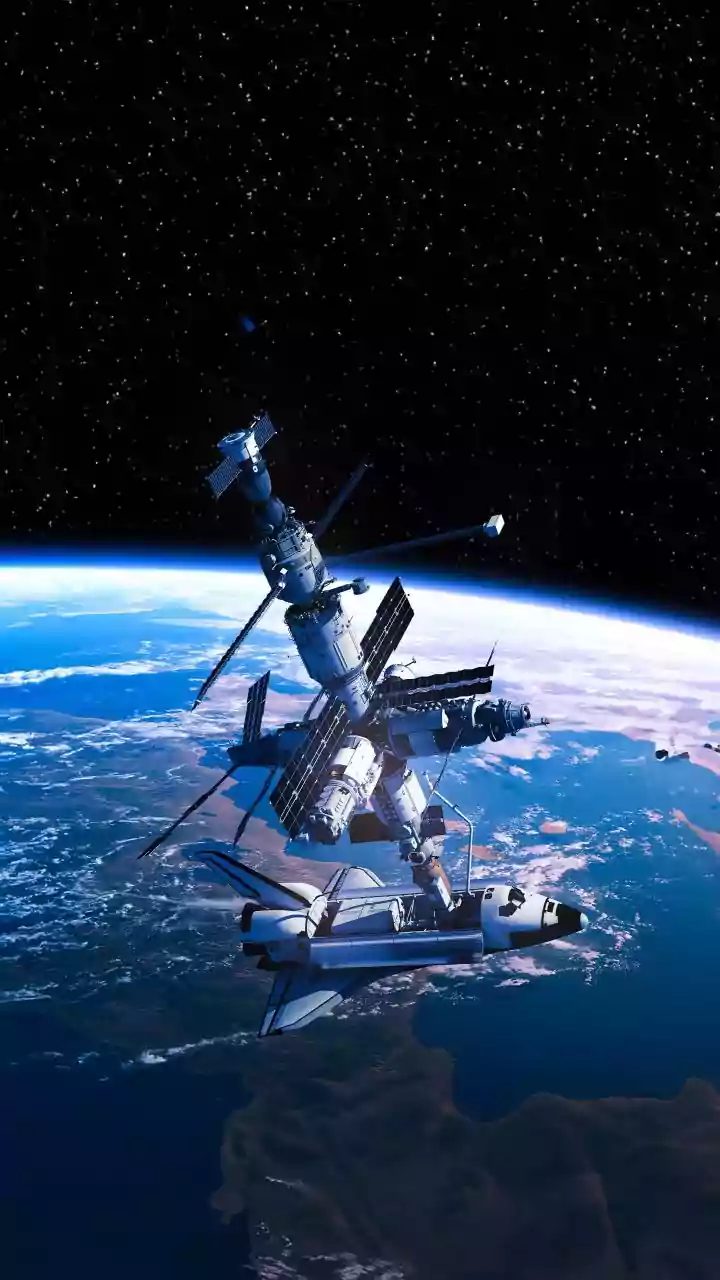
This vision of a lunar gas station is a cornerstone of future deep space exploration architecture, particularly NASA's Artemis program. A key component of this plan is the Lunar Gateway, an international space station planned for orbit around the Moon. The Gateway will serve as a staging point, a science laboratory, and a port of call for missions heading to both the lunar surface and farther destinations like Mars. Modules are already being designed to refuel the Gateway itself, and the long-term vision is to use lunar-derived propellants. Spacecraft destined for Mars could assemble at the Gateway and fill their tanks with fuel made on the Moon before beginning the long interplanetary voyage, making the entire enterprise more sustainable and affordable.
The Challenges of Lunar Mining
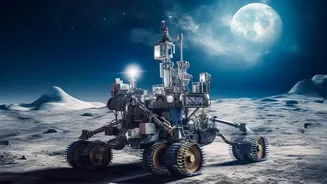
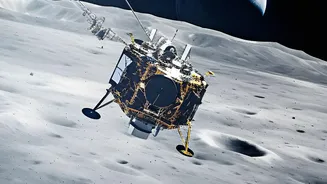
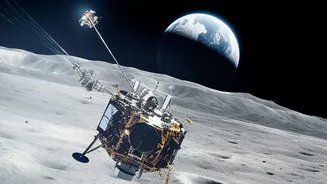
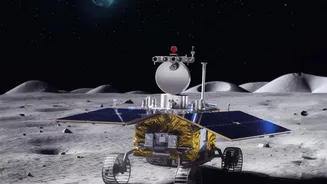
Harnessing this frozen resource will not be easy. The water ice is located in some of the most hostile environments imaginable, with temperatures colder than Pluto and in perpetual darkness. Designing robotic miners that can operate in these cryogenic conditions, dig into frozen regolith, and heat it to extract water vapor without everything seizing up is a monumental engineering challenge. Furthermore, we still need a clearer picture of the exact location, concentration, and accessibility of these ice deposits. Missions like the joint Japanese-Indian LUPEX rover, equipped with NASA instruments, are planned to prospect these polar regions to create the first detailed maps of this vital resource, paving the way for future extraction operations.