






A Deficit in the Downpour
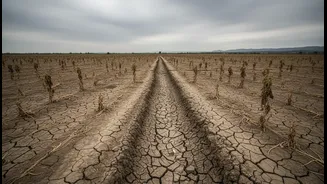
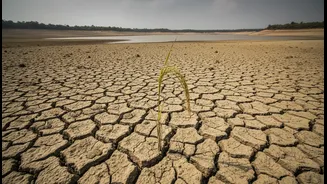
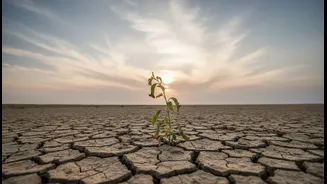
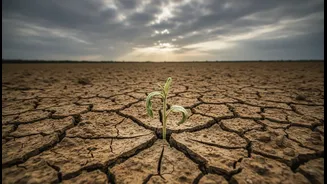
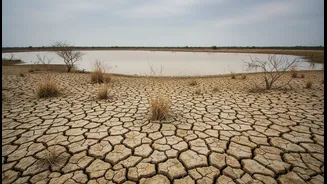
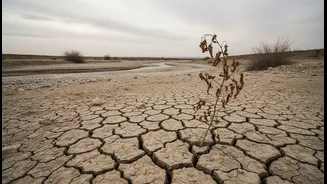
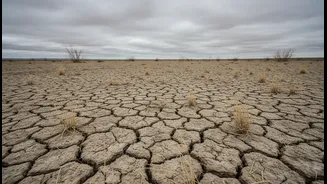
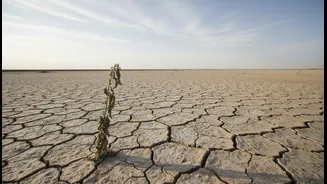
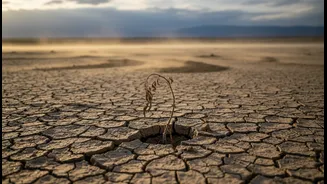
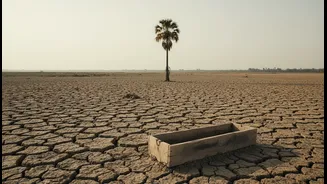
The numbers paint a clear picture of a thirsty season. As of early July, Goa is grappling with a seasonal rainfall deficit of over 26%. After a prolonged dry spell in June which saw deficits climb, a brief period of heavy showers brought some relief but
failed to close the gap. Now, with the monsoon weakening again, sunny, hot days are becoming more frequent, with temperatures rising nearly three degrees above normal. The India Meteorological Department (IMD) has noted that while July is typically the peak of the monsoon, the rainfall has been light to moderate, a far cry from the sustained downpours needed to replenish the state's resources.
The Ripple Effect on Water Supply
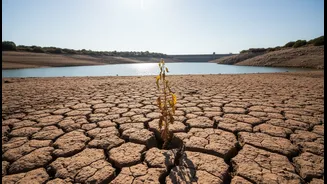
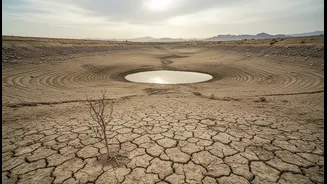
The most immediate consequence of a rain deficit is the strain on drinking water. Goa's water supply is heavily dependent on reservoirs filled by monsoon rains. The state's largest, the Selaulim Dam, which supplies much of South Goa, is a prime example. In a normal year, the dam is expected to be overflowing by the first week of July, a sight that draws many visitors. This year, however, its water level is lagging significantly behind schedule, currently around 42.5% of capacity, raising concerns that it may not spill over until August. Other key reservoirs like Anjunem are also at worryingly low levels. This has prompted officials to caution that the water accumulated this monsoon must last until June 2027, highlighting the critical importance of the coming weeks.
An Anxious Wait for Farmers
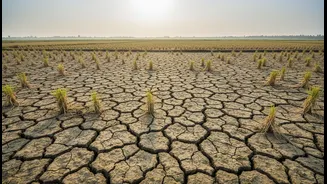
Goa's agricultural heart, particularly its paddy cultivation, beats to the rhythm of the monsoon. The current deficit has thrown this rhythm into disarray. Farmers across the state are reporting delayed sowing schedules because the soil, while moist, is not wet enough for transplanting seedlings. The delay is critical; if it extends further, it could impact crop yields. Some agriculture officers have begun advising farmers to switch to short-duration paddy varieties to mitigate potential losses from a shortened cultivation window. While some officials express cautious optimism, the uncertainty is a source of considerable anxiety in rural households, where a good harvest is essential for their livelihood.
Beyond the Tap and the Field
The impact of a weak monsoon extends beyond farms and water treatment plants. The lower water levels in dams also affect hydroelectric power generation, a component of the state's energy supply. This can put additional strain on the power grid, especially during a period of higher temperatures which increases demand for cooling. Furthermore, Goa's tourism sector, a cornerstone of its economy, is also subtly affected. The lush, green, rain-washed landscapes are a key attraction of the monsoon season. A drier, hotter spell can diminish this appeal. The interconnectedness of Goa’s ecosystem means that when the rains fail, the effects are felt across nearly every aspect of life and commerce in the state.