


Why You Must Quarantine New Plants
Think of it as a mandatory health check. Most houseplant pest infestations start with a new plant that looked perfectly healthy at the nursery. Pests like spider mites, mealybugs, thrips, and scale are often invisible in their early stages, hiding as eggs
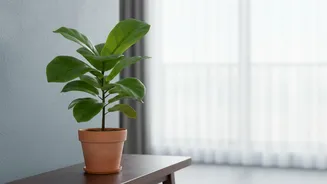
or tiny larvae. By isolating a new plant, you give these hidden issues time to reveal themselves. Keeping the newcomer in a separate room for two to four weeks is one of the most effective ways to protect your existing plants. This separation prevents pests from crawling or flying from the new plant to your established ones. Without this crucial step, a single new plant could trigger a widespread infestation that is difficult and stressful to manage.
The Initial Four-Point Inspection
Before you even decide to bring a plant home, perform a quick but thorough inspection at the shop. A few minutes of scrutiny can save you weeks of hassle. Start with the overall condition. The plant should look robust and balanced, not lanky or wilted. Check the leaves for any discolouration, spots, or significant damage. Next, inspect the stems for any visible insects, sticky residue, or mushy spots, which could indicate overwatering or temperature damage. Don't forget the soil surface; look for any crawling insects or mould. Finally, if you can, gently slip the plant out of its pot to look at the roots. Healthy roots should be firm and whitish, not brown, mushy, or brittle. If you see roots spilling out of the drainage holes, the plant is likely root-bound and will need immediate repotting.
The Ultimate Leaf Check
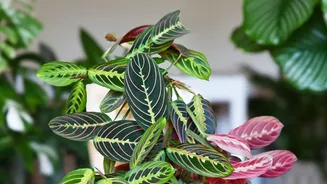
The leaves are a billboard for the plant’s health. Turn over every leaf and inspect the undersides, as this is a favourite hiding spot for many pests. Look closely for tiny dots that move, which could be spider mites or thrips. Fine, silky webbing between the leaves or where they meet the stem is a classic sign of spider mites. Also, be on the lookout for small, white, cotton-like fluff in the nooks and crannies, which indicates mealybugs. Brown or tan bumps that look like part of the stem could be scale insects. Any unusual shininess or stickiness on the leaves is likely honeydew, a substance excreted by pests like aphids and scale. Discoloured patches, silvery streaks, or areas that look thin as tissue paper can also be signs of pest damage.
Setting Up a Proper Quarantine Zone
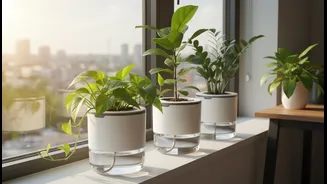
Once you bring your new plant home, its isolation period begins. Choose a location in a separate room, away from any other plants you own. Simply placing it on a different shelf in the same room is not enough, as some pests can travel short distances. A spare bedroom, bathroom, or even a sheltered balcony can work well. During this quarantine period of two to four weeks, continue to inspect the plant weekly. Give it the light and water it needs to stay healthy. Some experts recommend giving the plant a gentle shower or wiping down the leaves with a damp cloth to physically remove any potential freeloaders when you first bring it home. You can also consider a preventative spray with a gentle insecticidal soap or neem oil solution, making sure to cover the tops and bottoms of all leaves.