



The Summer's Unlikely Superstar
Across urban India, from chic cafes to fitness influencers' social media feeds, a rustic staple is having a major moment. Sattu, the roasted gram flour long cherished in the households of Bihar, Jharkhand, and Uttar Pradesh, is shedding its 'poor man's
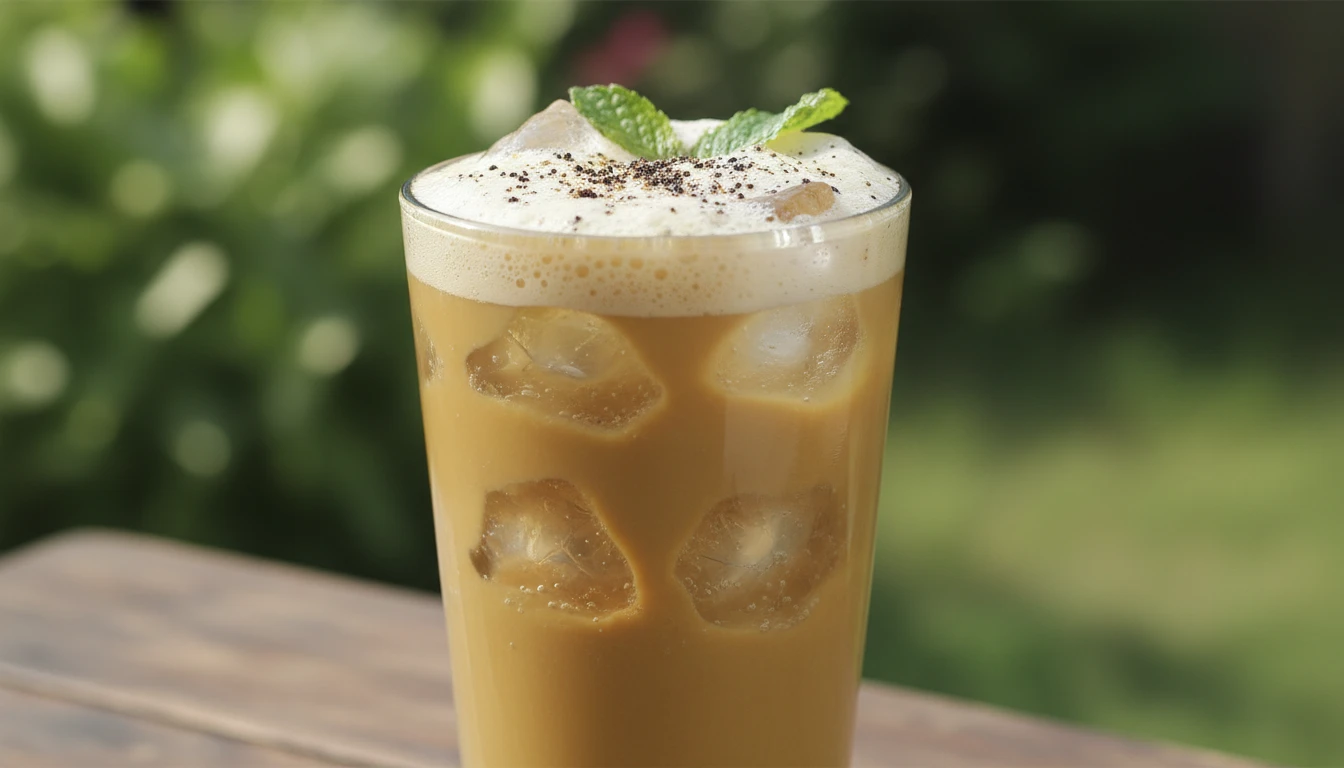
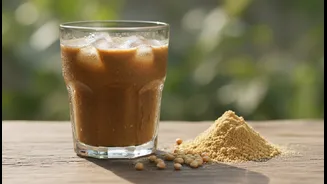
protein' label to become the superfood of the season. Once the trusty, energy-giving meal of farmers and labourers, this ancient food is now being rediscovered by a new generation of health-conscious city dwellers. Packaged in artisanal bags and featured on gourmet menus, sattu sharbat is no longer just a traditional remedy for heat; it's a wellness statement.
What Exactly Is Sattu?
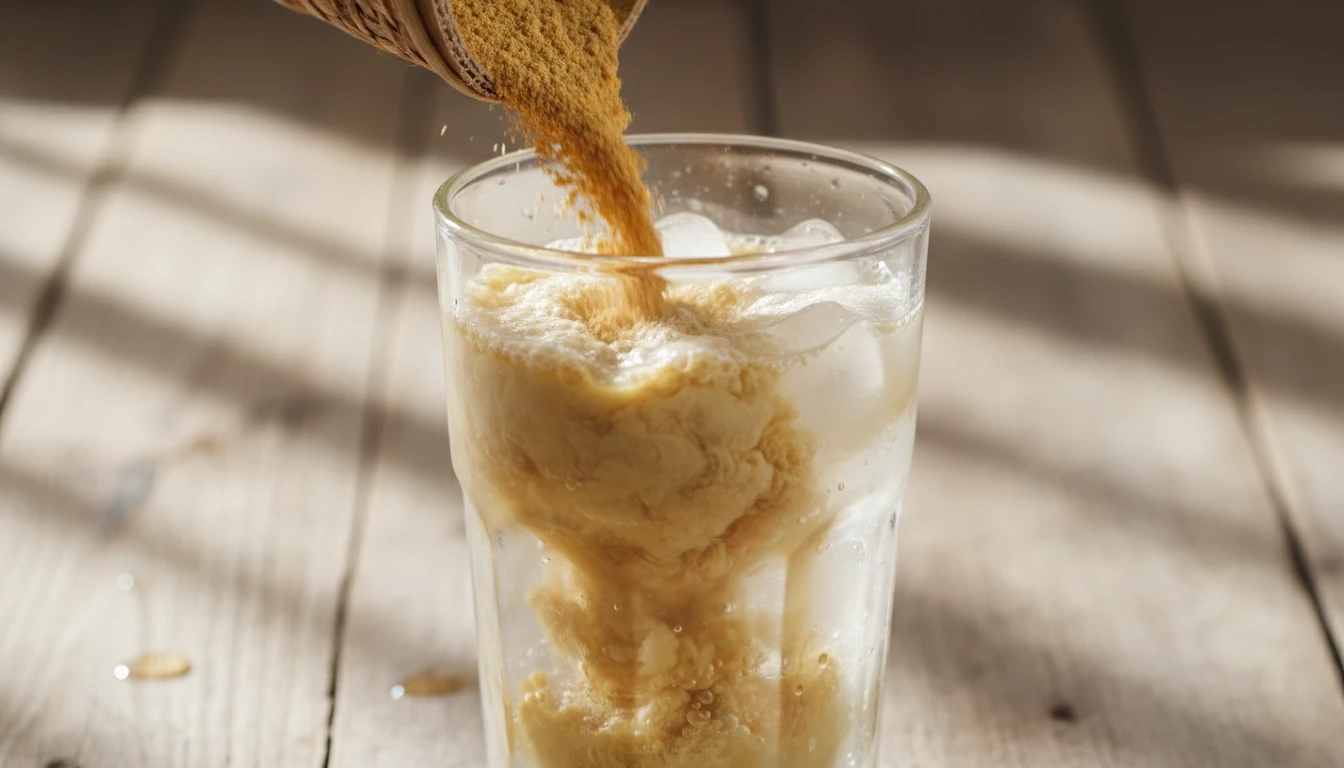
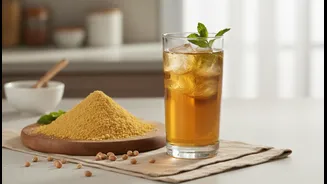
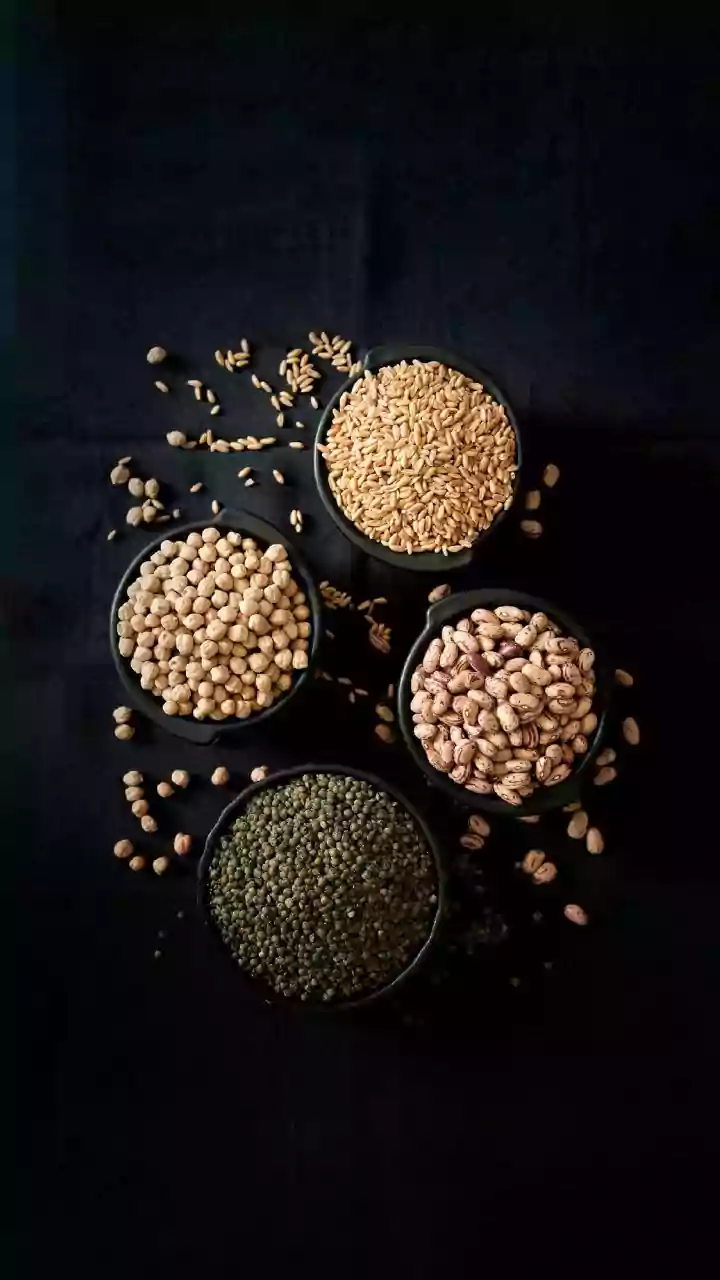
At its core, sattu is a flour made from roasted grains or grams, most commonly Bengal gram (kala chana). The process is simple: the grams are dry-roasted, often in sand in the traditional method, and then ground into a fine powder. This roasting is key—it gives sattu its distinct nutty aroma, makes it easier to digest, and means it requires no cooking. Unlike its raw cousin, besan (gram flour), sattu is a ready-to-eat food. Just mix it with water and a few simple flavourings, and you have an instant, nourishing meal. Its history is ancient, with references to its predecessor, 'saktu' made from barley, found in Ayurvedic texts.
A Nutritional Powerhouse
The modern resurgence of sattu is no accident; its nutritional profile aligns perfectly with today's wellness trends. It is a fantastic source of plant-based protein, with some varieties offering up to 25 grams per 100g serving, rivaling many commercial protein supplements. It's also incredibly high in dietary fibre, which aids digestion, promotes gut health, and keeps you feeling full for longer. For this reason, it is celebrated as an excellent drink for weight management. Furthermore, sattu has a low glycemic index, meaning it releases sugar into the bloodstream slowly, providing sustained energy without the crash associated with sugary drinks. This makes it a great choice for individuals managing blood sugar levels. It's also packed with essential minerals like iron, magnesium, and calcium.
More Than Just a Drink
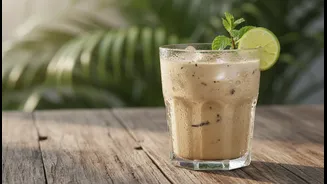
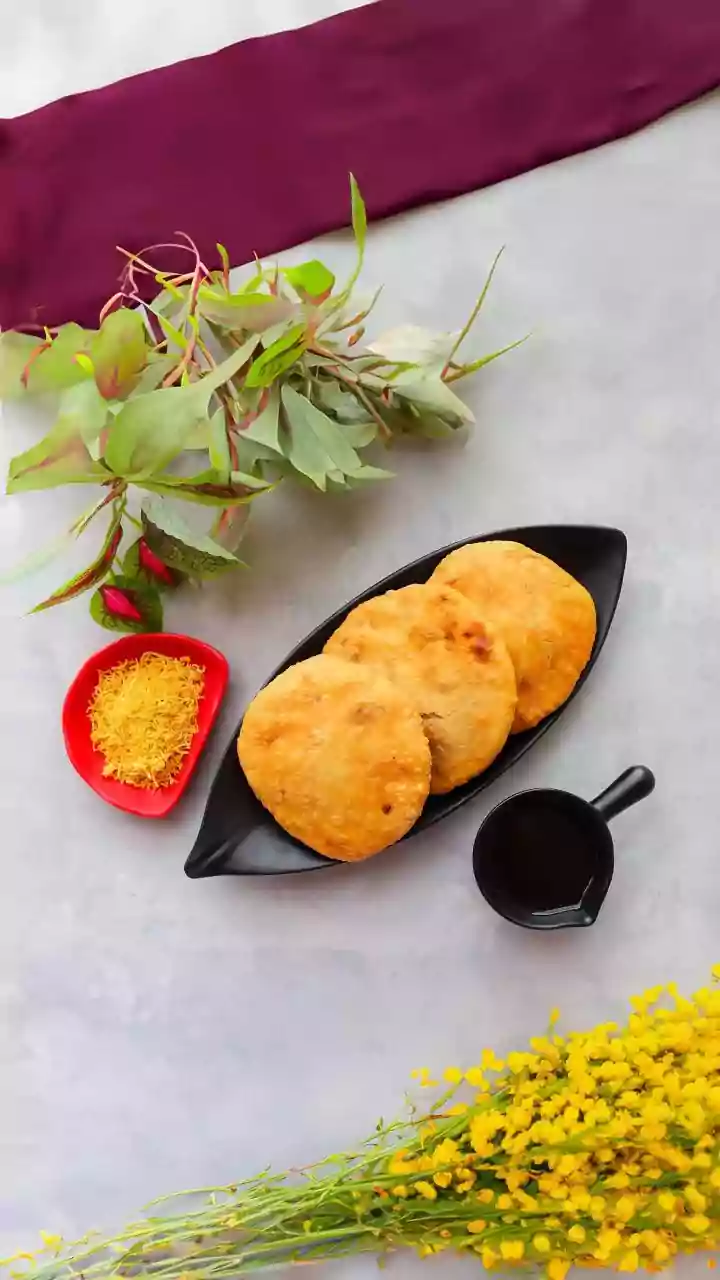
While the refreshing sattu sharbat—served either sweet with jaggery or savoury with salt, lemon, and roasted cumin—is its most famous form, the flour's versatility is vast. In its heartland of Bihar, it is the essential stuffing for the iconic litti, a roasted dough ball. It’s also kneaded into dough to make nutritious sattu parathas. Modern kitchens are finding even more uses, incorporating it into everything from energy-boosting smoothies and pancakes to healthy ladoos, proving its adaptability far beyond a simple summer cooler.
Why Now? The Perfect Blend of Tradition and Trend
Sattu's rise is a story of perfect timing. As consumers become warier of highly processed foods and artificial supplements, sattu presents a clean, natural, and affordable alternative. The growing interest in plant-based diets and sustainable choices also works in its favour. But perhaps its biggest draw is the appeal of authenticity—a return to traditional wisdom. Sattu isn't a lab-created formula; it's a food with a rich history, tied to the land and generations of use. It was carried by warriors in ancient India and sustained labourers for centuries. Its current popularity represents a broader cultural shift, where ancient foods are being re-evaluated and celebrated not just for their nutritional benefits, but for the heritage they represent.