
The Golden Weather Window
The single biggest reason August stands out is the weather. Ladakh lies in a trans-Himalayan rain shadow, meaning the towering peaks block most monsoon clouds from ever reaching the plateau. While other mountain destinations face relentless downpours
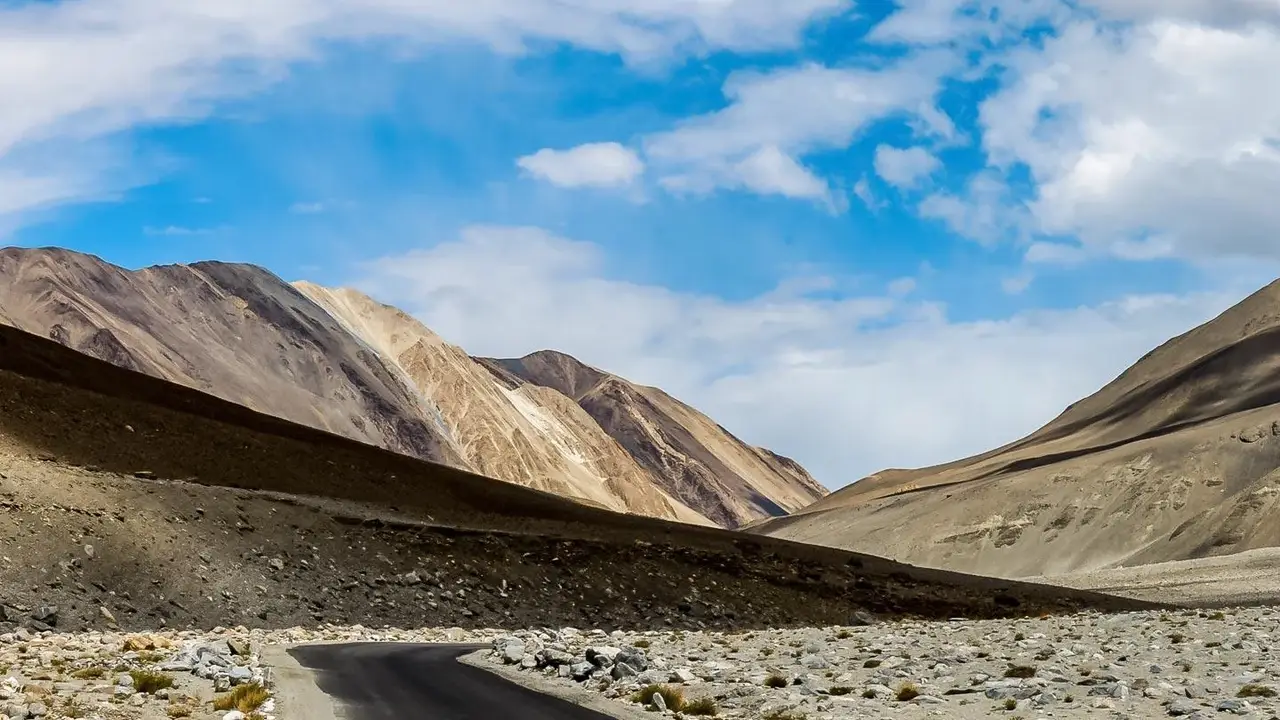
and landslides, Ladakh enjoys predominantly dry, sunny days. Daytime temperatures in Leh and the Nubra Valley hover comfortably between 20°C and 30°C, perfect for sightseeing in just a T-shirt and sun hat. The evenings turn crisp and cool, dropping to around 10°C, ideal for sitting under a sky teeming with stars. This stable, pleasant climate means you can explore without the constant threat of weather disruptions.
All Roads Lead to Leh
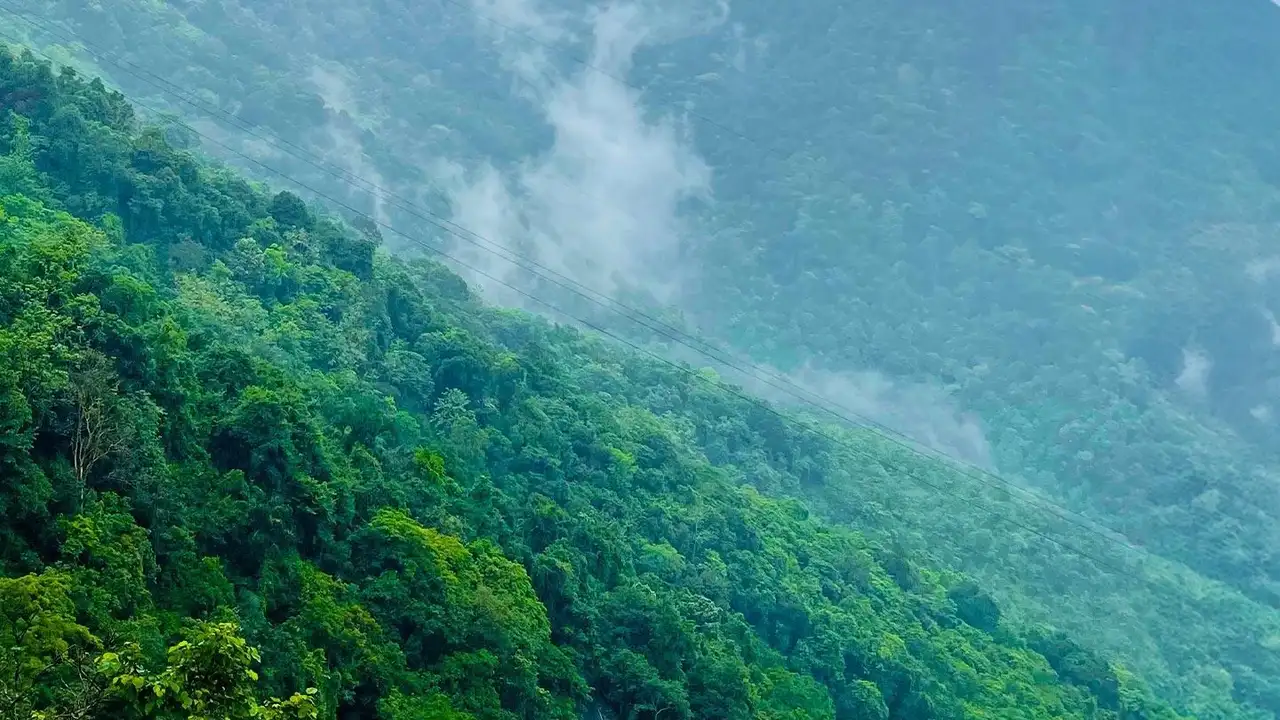
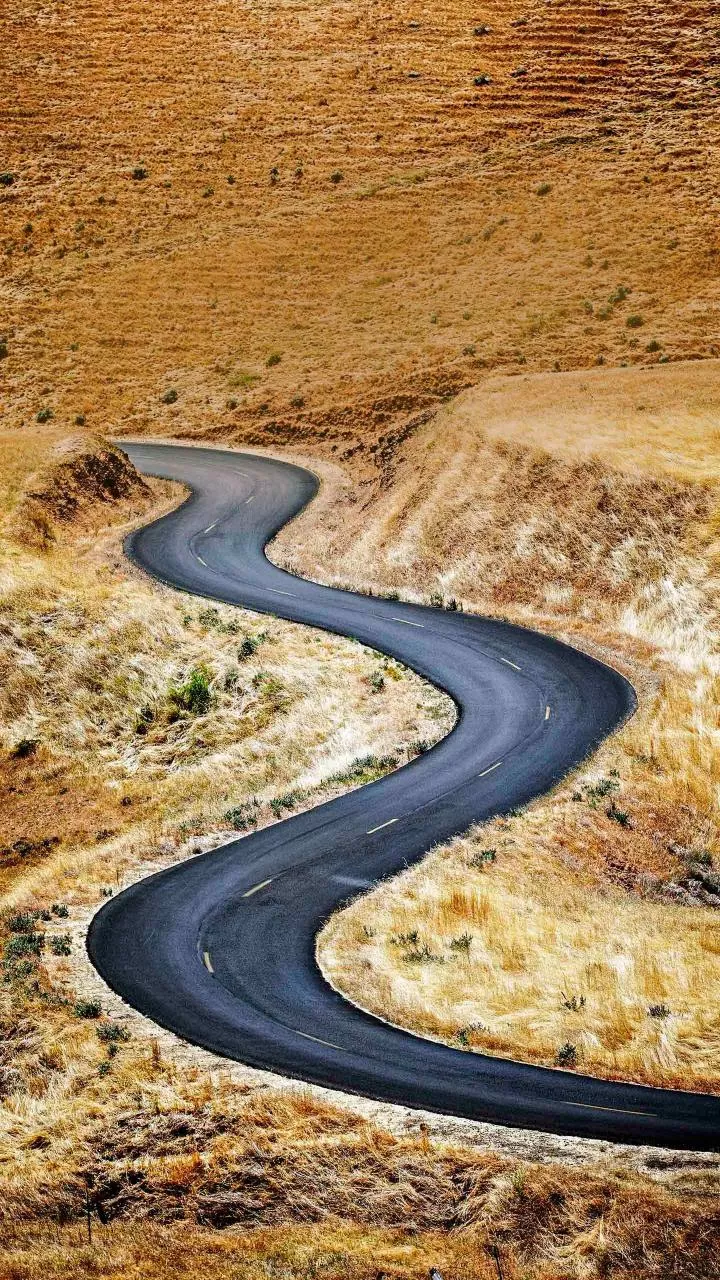
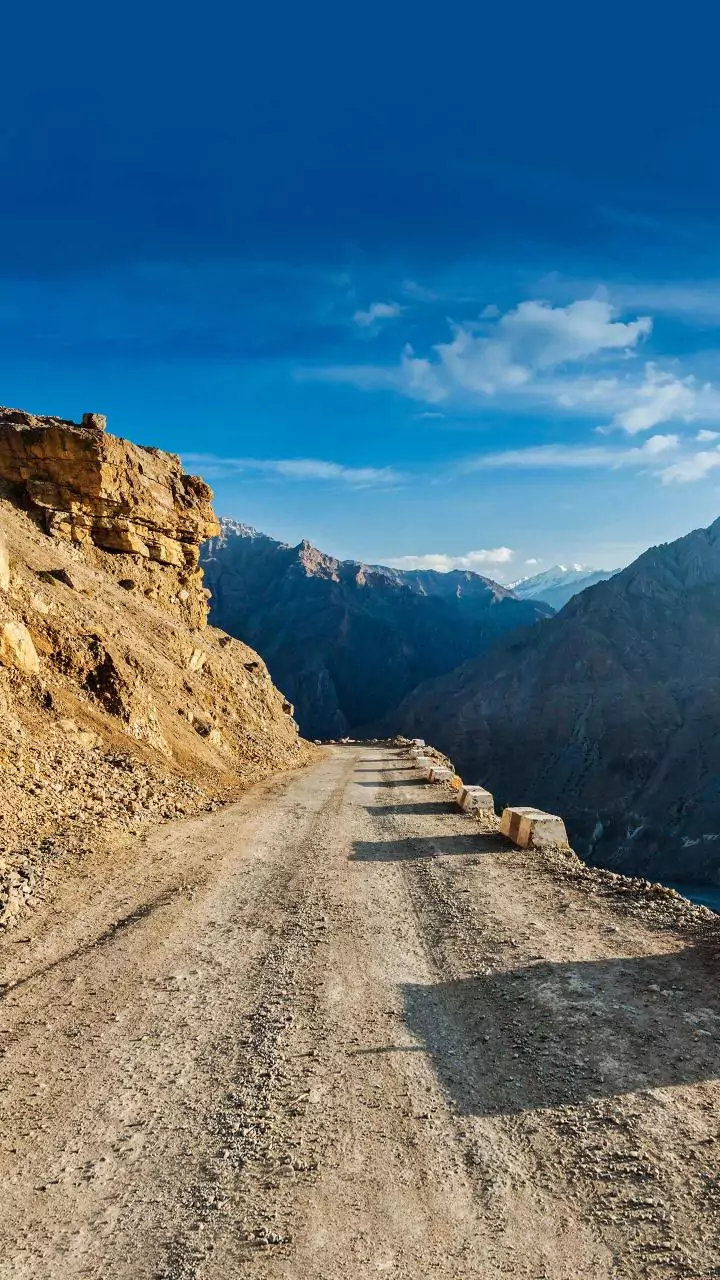
For many, the journey to Ladakh is as important as the destination itself. August is the month when both of India’s most epic road arteries—the Srinagar-Leh highway and the Manali-Leh highway—are reliably open and in their best condition. Snow from the previous winter has been cleared from high passes like Zoji La and Baralacha La, and the risk of fresh snowfall is minimal. This opens up legendary road trip opportunities, allowing travellers to witness the dramatic shift in landscape from the green valleys of Kashmir or Himachal to the stark, lunar beauty of Ladakh. While the approaches to Ladakh can still experience monsoon effects, once you are in the region, the roads connecting Leh to Pangong Lake, Nubra Valley, and Tso Moriri are fully accessible.
A Landscape in Full Splendor
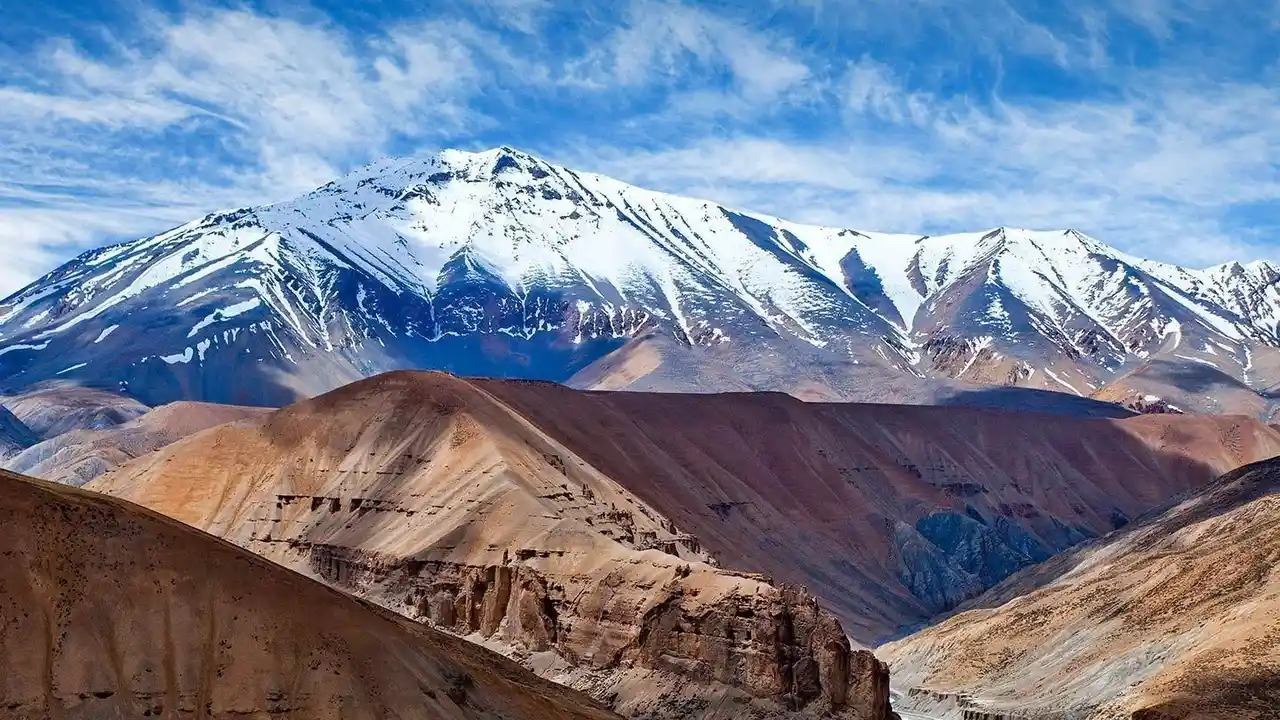
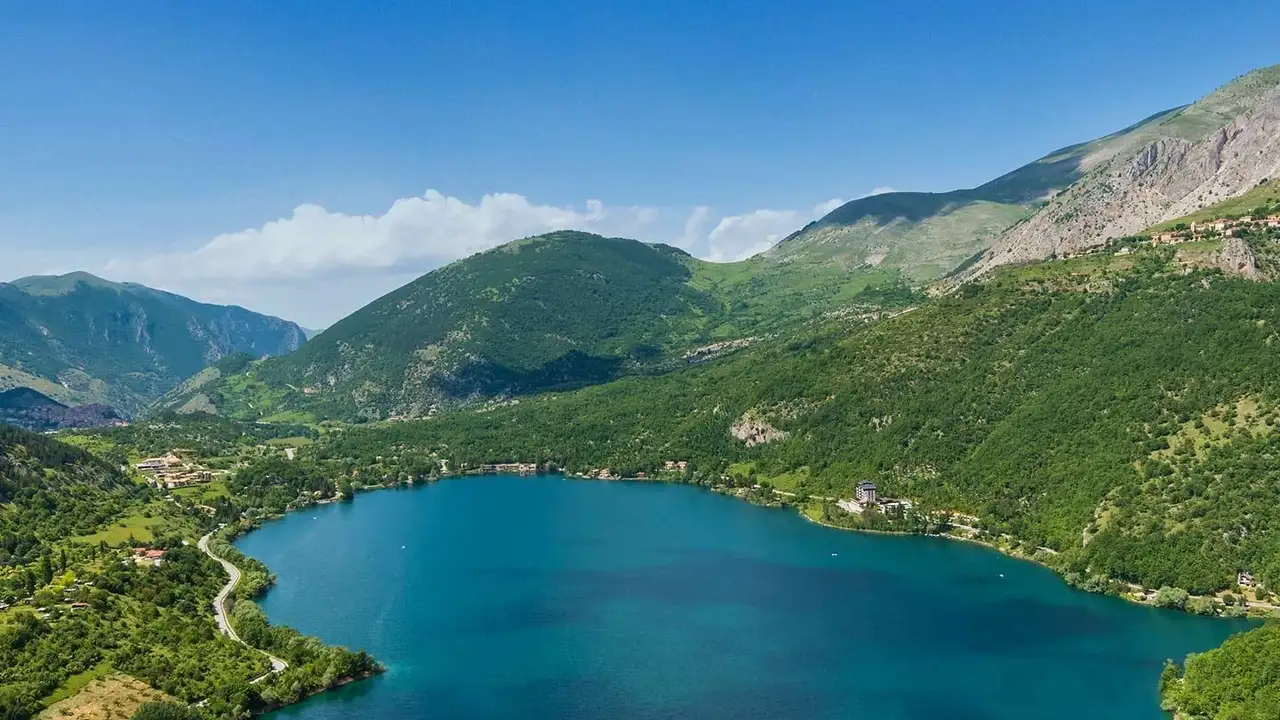
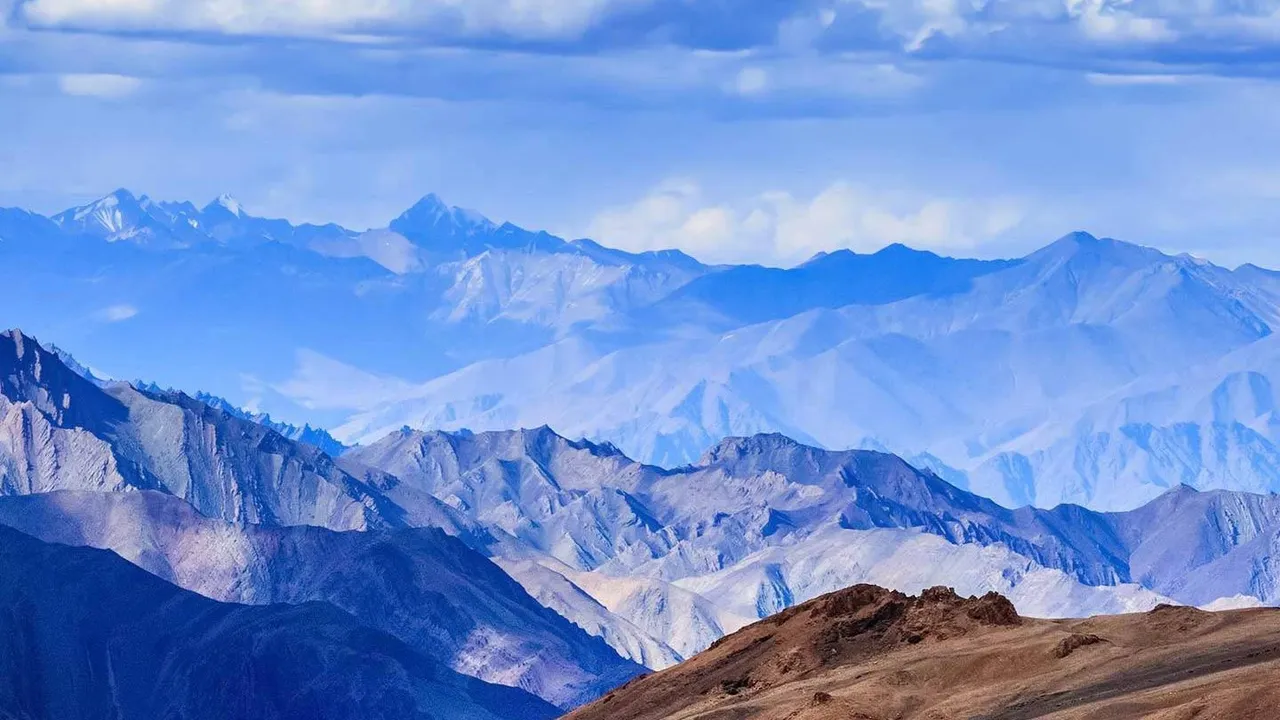
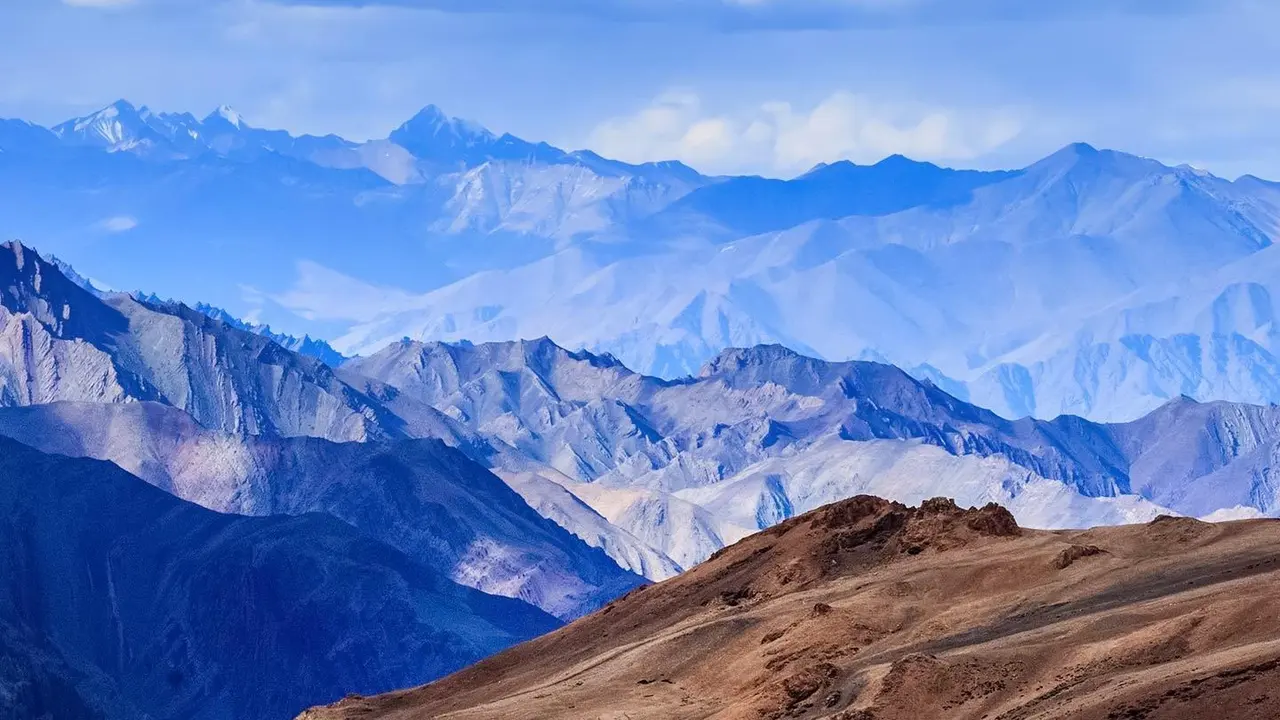
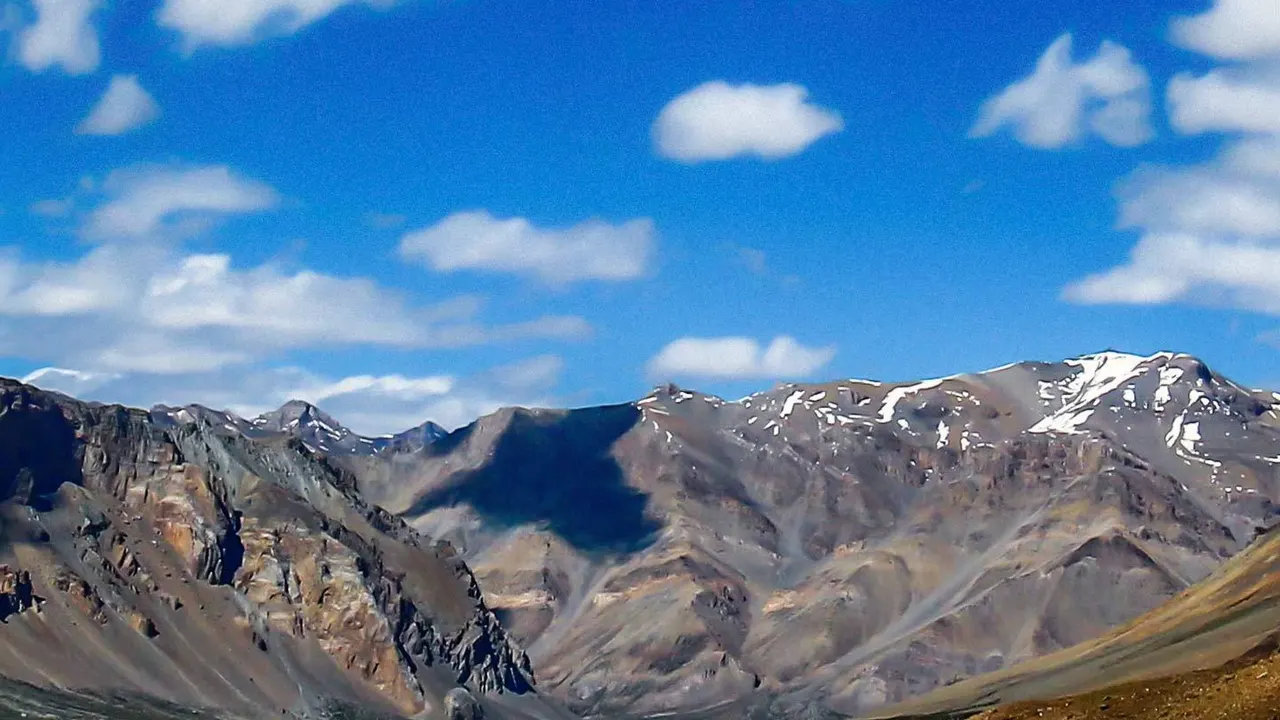
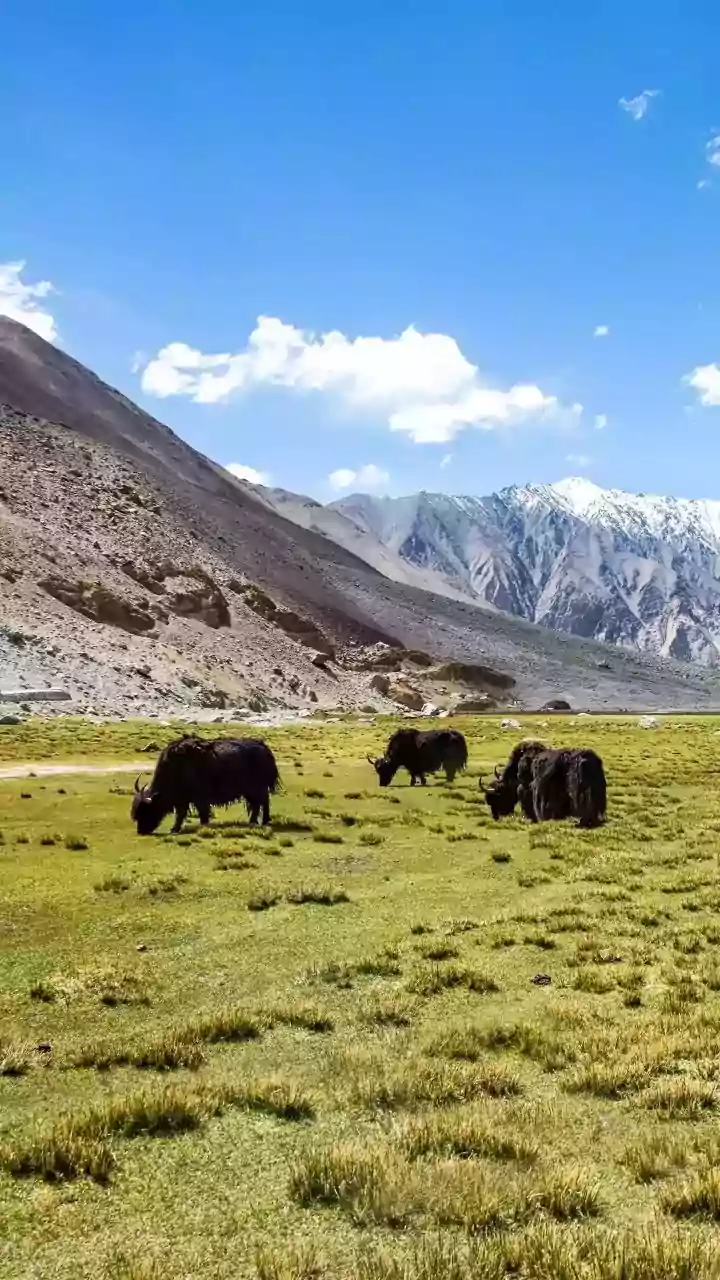
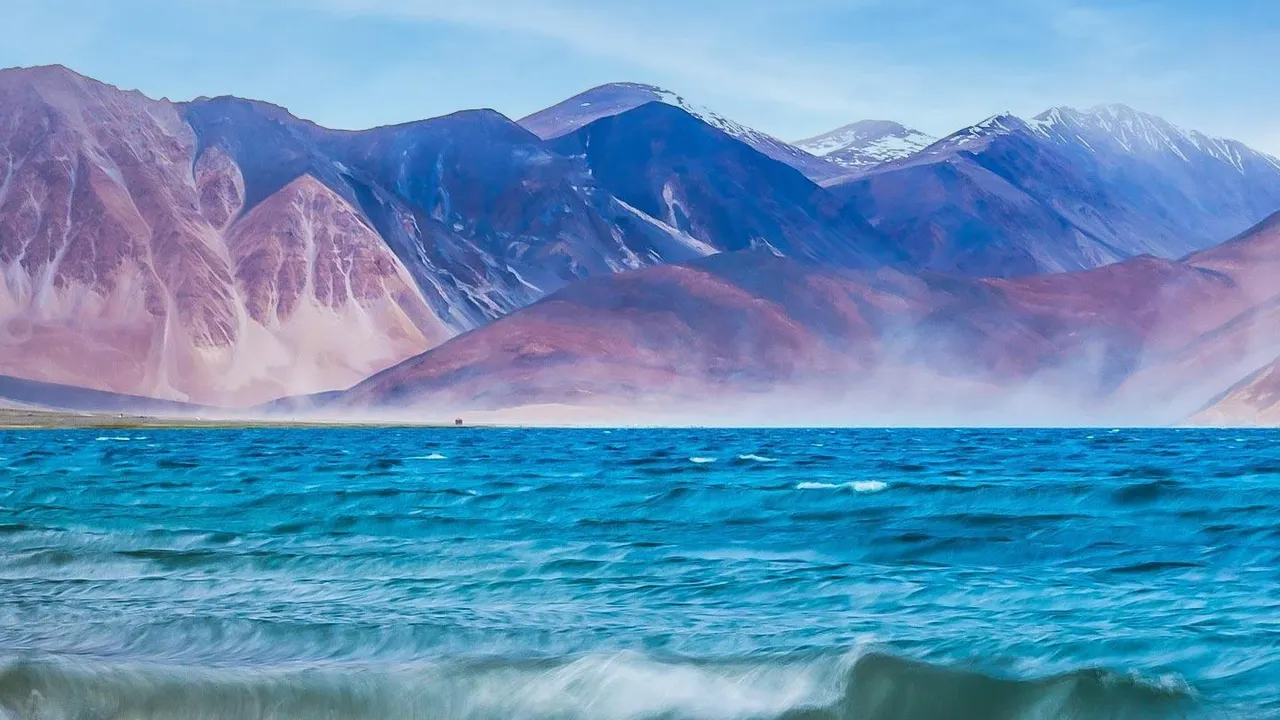
The preceding weeks of snowmelt and light summer showers culminate in August to create a landscape of stunning contrasts. This is when the valleys, particularly Nubra and those along the Indus and Zanskar rivers, are at their most green and lush. This vibrant burst of life stands in sharp relief against the barren, multi-hued mountains, creating breathtaking vistas. The great high-altitude lakes, Pangong Tso and Tso Moriri, are a mesmerizing deep blue under the clear August sky, and their waters are calm, reflecting the surrounding peaks with mirror-like clarity. It's a photographer's dream, with the intense sunlight and dry air making every color pop.
The Heartbeat of Culture and Festivals
August is also a culturally rich time to visit. Several important monastic festivals, or 'gustors', often fall during this period, determined by the Tibetan lunar calendar. While the exact dates shift, events like the Karsha Gustor in Zanskar or the Dak Thok festival can occur in or around August, offering a spectacular glimpse into Ladakhi spirituality. These festivals feature masked dances (Chams) performed by monks in vibrant brocades, representing the triumph of good over evil. Beyond the major monasteries, you might also encounter smaller, local festivals celebrating the harvest or nomadic life, like the Changthang Nomadic Festival, providing an authentic connection to the region's living culture.
Adventure at its Zenith
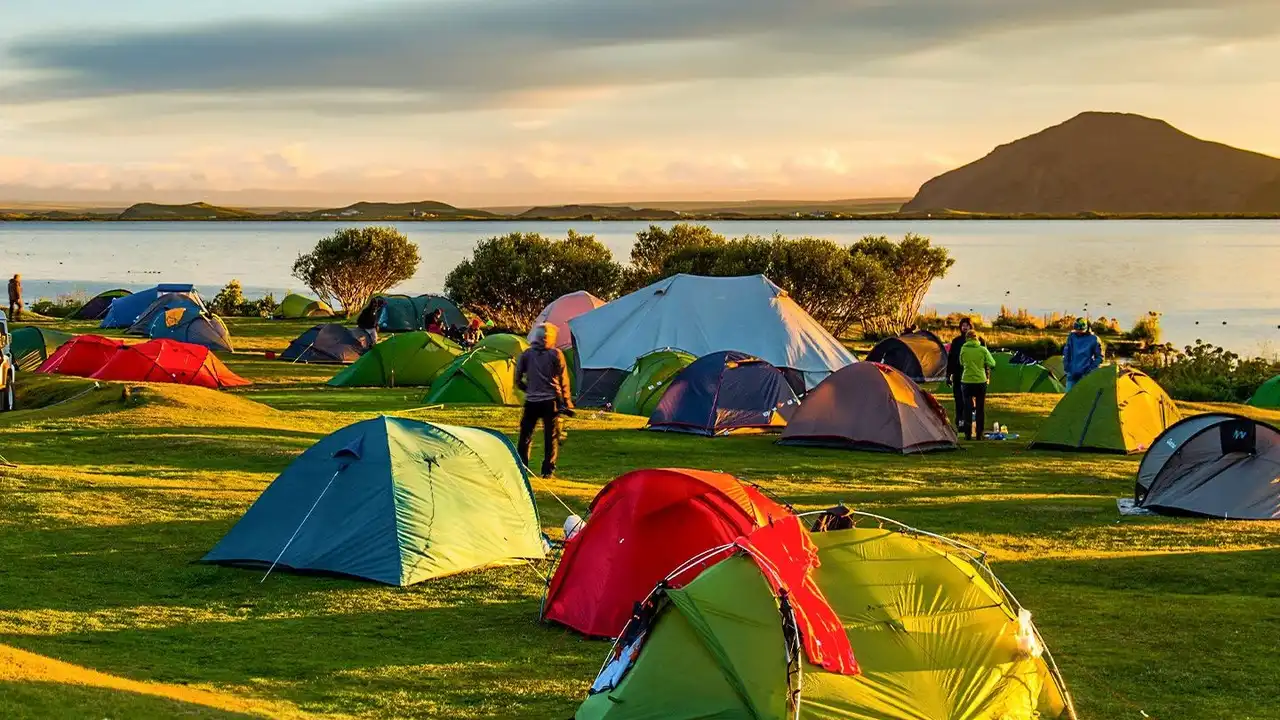
The combination of good weather and accessible terrain makes August the prime time for adventure activities. The water levels in the Zanskar and Indus rivers are ideal for white-water rafting, offering rapids for both beginners and experts. Trekking routes, including the popular Markha Valley trek and Sham Valley trek, are in perfect condition, with clear trails and comfortable camping temperatures. It’s also the best month for motorcyclists and mountain bikers to tackle the world's highest motorable passes, like Khardung La, with a reduced risk of weather-related hazards. Whether you want to camp by a serene lake, ride to the top of the world, or hike through remote villages, August provides the safest and most enjoyable conditions to do so.