




Choose the Right Green Warriors
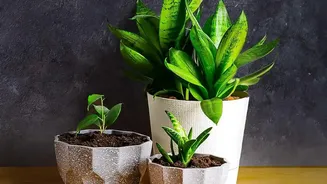
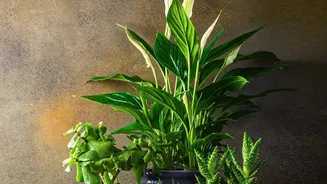
Not all plants are created equal when it comes to air purification. For maximum impact, focus on proven performers that are also hardy enough for Indian homes. The Snake Plant is a superstar, known for converting carbon dioxide to oxygen even at night
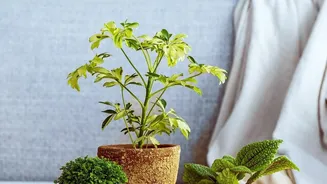
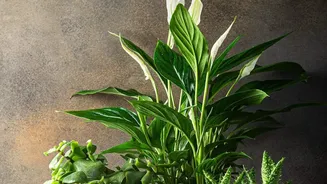
and filtering out toxins like formaldehyde and benzene. The Areca Palm is another excellent choice; its dense foliage is great for trapping dust particles and it also acts as a natural humidifier for dry winter air. Other top contenders include the nearly indestructible Money Plant (Pothos), the elegant Peace Lily, and the fast-growing Spider Plant.
Strategic Placement for Maximum Effect
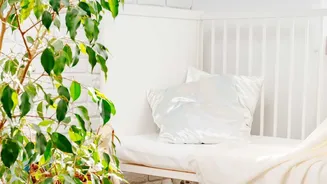
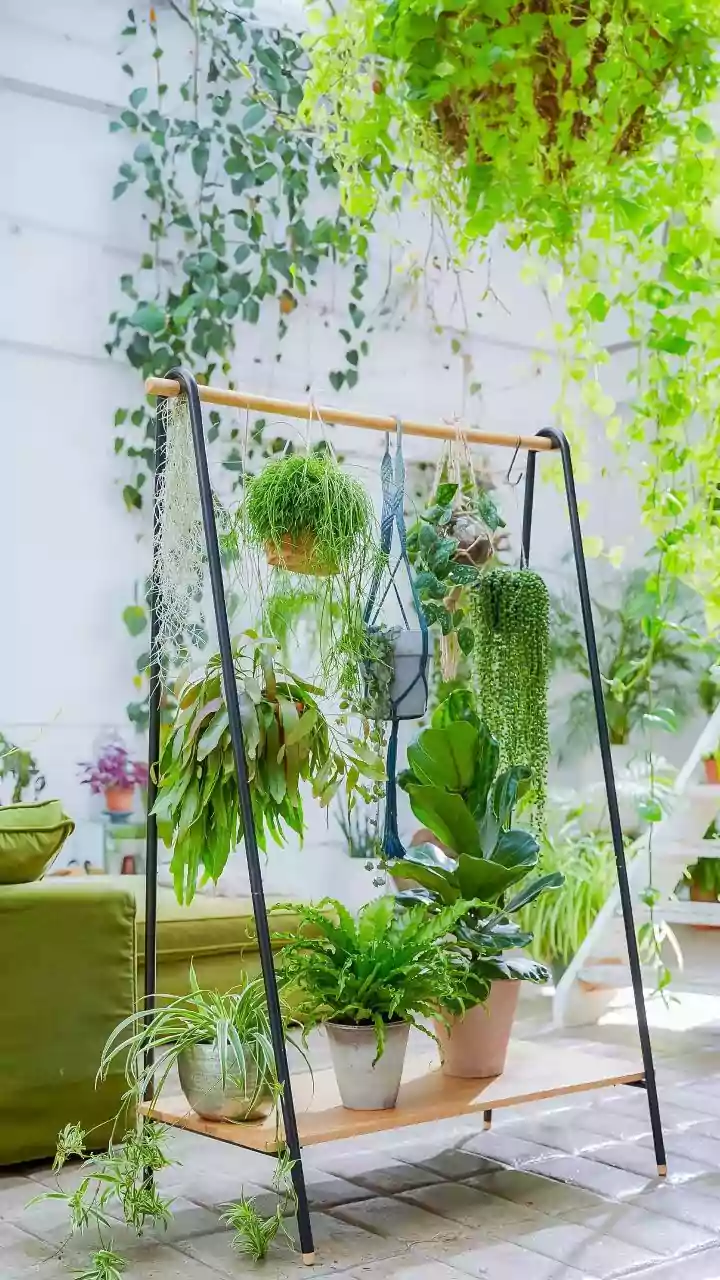
Where you place your plants matters. Think strategically about creating 'clean air zones' where you spend the most time. Since they release oxygen at night, Snake Plants and Aloe Vera are perfect additions to the bedroom, promoting better air quality while you sleep. Place larger plants like the Areca Palm in living rooms or central areas where they can filter more air. Positioning plants near windows can help them trap pollutants as they enter your home. The key is to cluster plants together; grouping several in one area creates a pocket of higher humidity and concentrated air-cleaning power.
It's Not Just the Leaves
The air-cleaning magic isn't only in the foliage. Research, including the landmark 1989 NASA Clean Air Study, found that the microorganisms in the potting soil also play a crucial role. These microbes help break down harmful pollutants absorbed through the roots. To maximize this effect, ensure your plants are in well-draining soil to prevent root rot and keep the soil surface clear of debris. A healthy root system in healthy soil supports a more effective, air-purifying plant.
Keep Your Plants Clean
This is one of the simplest yet most overlooked hacks. A layer of household dust on plant leaves can block the pores they use to absorb pollutants and photosynthesize. A dusty plant is an inefficient one. Make it a weekly routine to gently wipe down the leaves of your plants with a damp microfiber cloth. For smaller plants, a quick rinse in the sink or shower with tepid water can do the trick. This not only helps them look better but also ensures they are working at peak efficiency to clean your air.
Create a High-Density 'Green Lung'
To make a tangible difference, a single potted plant in a large room won't be enough. While there's no magic number, many experts suggest aiming for at least one medium-sized plant (in a 6-8 inch pot) for every 100 square feet of space. Focus your efforts on the rooms you use most, like your bedroom and living area. Creating a dense cluster of plants in a corner or along a wall can function as a small 'green lung' for your home, more effectively filtering the air in that immediate vicinity.
Manage Expectations and Use a Hybrid Approach
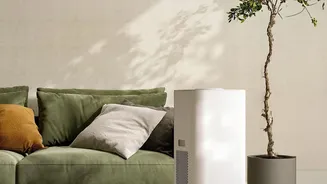
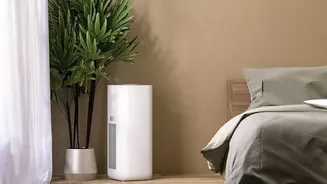
It's important to be realistic. While plants are fantastic natural helpers, they are not a substitute for a mechanical air purifier, especially during severe pollution spikes. Subsequent research has shown that you would need a very large number of plants to match the air-cleaning rate of modern ventilation or a good purifier. Think of plants as one part of a multi-pronged strategy. Use them to complement other measures, such as running an air purifier with a HEPA filter, ventilating your home when the outdoor air quality is better, and regularly dusting and vacuuming to reduce particulate matter.