







Decoding the Ocean's Secrets
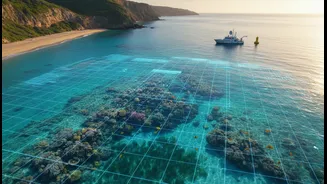
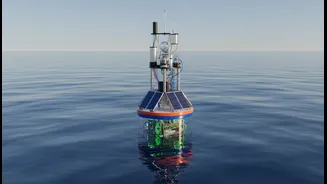
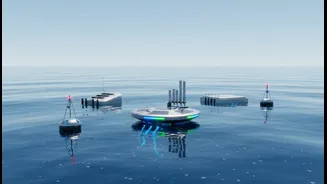
At its heart, ocean monitoring is about understanding the sea in real-time. It involves a sophisticated network of technologies, from satellites orbiting Earth to buoys bobbing on the surface and underwater sensors. In India, the Indian National Centre
for Ocean Information Services (INCOIS) is the nodal agency that translates this complex data into actionable insights. Think of it as a comprehensive weather report, but for the ocean. It tracks sea surface temperatures, wave heights, currents, and water quality. This information, once the domain of scientists and mariners, is now becoming a critical tool for a much wider range of users, including the tourism industry.
Guarding Against Coastal Dangers
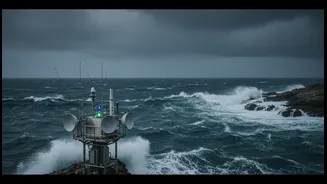
Coastal areas, for all their appeal, are vulnerable to natural hazards. Climate change is amplifying these threats, leading to more frequent extreme weather events, rising sea levels, and unpredictable conditions. For tourists and local businesses, these risks are significant. They range from dangerous rip currents and sudden high waves to storm surges that can flood coastal infrastructure. Water quality is another major concern, with pollution and harmful algal blooms posing health risks. Effective ocean monitoring provides the crucial ability to foresee these dangers. By generating early warnings for tsunamis, cyclones, and high waves, INCOIS helps authorities evacuate people and protect property, building a foundation of safety that is essential for any thriving tourist destination.
Enhancing the Tourist Experience
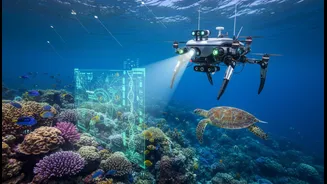
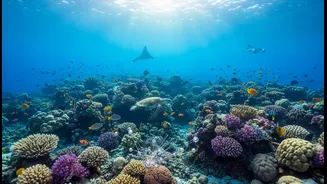
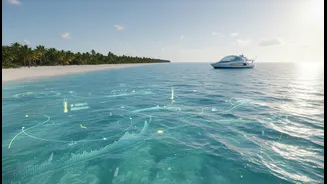
Beyond just safety, ocean data can significantly enhance the quality of a coastal holiday. Imagine planning a scuba diving trip with precise knowledge of the best underwater visibility, or a surfing lesson knowing exactly when the ideal waves will arrive. Ocean forecasting makes this possible. Furthermore, monitoring can help identify the cleanest and safest beaches for swimming, a major factor for families. Recently, INCOIS launched initiatives like a portal to track jellyfish aggregations, helping tourists and operators avoid unpleasant encounters. Monitoring also supports eco-tourism, as data on marine biodiversity can guide sustainable wildlife watching tours, preserving delicate ecosystems like coral reefs which are themselves a major tourist draw.
A Pillar of the Blue Economy
A safer and more predictable coastal environment directly translates into economic growth. When tourists feel confident about their safety, they are more likely to visit, stay longer, and spend more. This is a cornerstone of India's 'Blue Economy'—the sustainable use of ocean resources for economic development. The coastal tourism sector is a key pillar of this vision. Reliable ocean data helps protect billions of rupees worth of coastal infrastructure, from hotels and resorts to ports. It allows businesses to plan their operations more effectively, reducing losses from weather-related disruptions. As data becomes more accessible through apps like SAMUDRA, it empowers even small operators to make smarter, data-driven decisions, fostering a more resilient and prosperous tourism ecosystem.
The Future is a Smart Coast
The evolution of ocean monitoring is far from over. New technologies are making data collection cheaper and more widespread. For instance, the National Institute of Ocean Technology (NIOT) has developed low-cost devices that can be fitted onto fishing boats to gather real-time data. Looking ahead, the integration of Artificial Intelligence and machine learning will enable even more accurate predictive models. INCOIS is already moving towards providing hyper-local forecasts and services tailored to specific user needs, from individual fishermen to large-scale tourism operators. This push towards creating a 'smart coastline' will not only safeguard communities but also unlock new opportunities for sustainable development and position India as a global leader in marine science and tourism.