
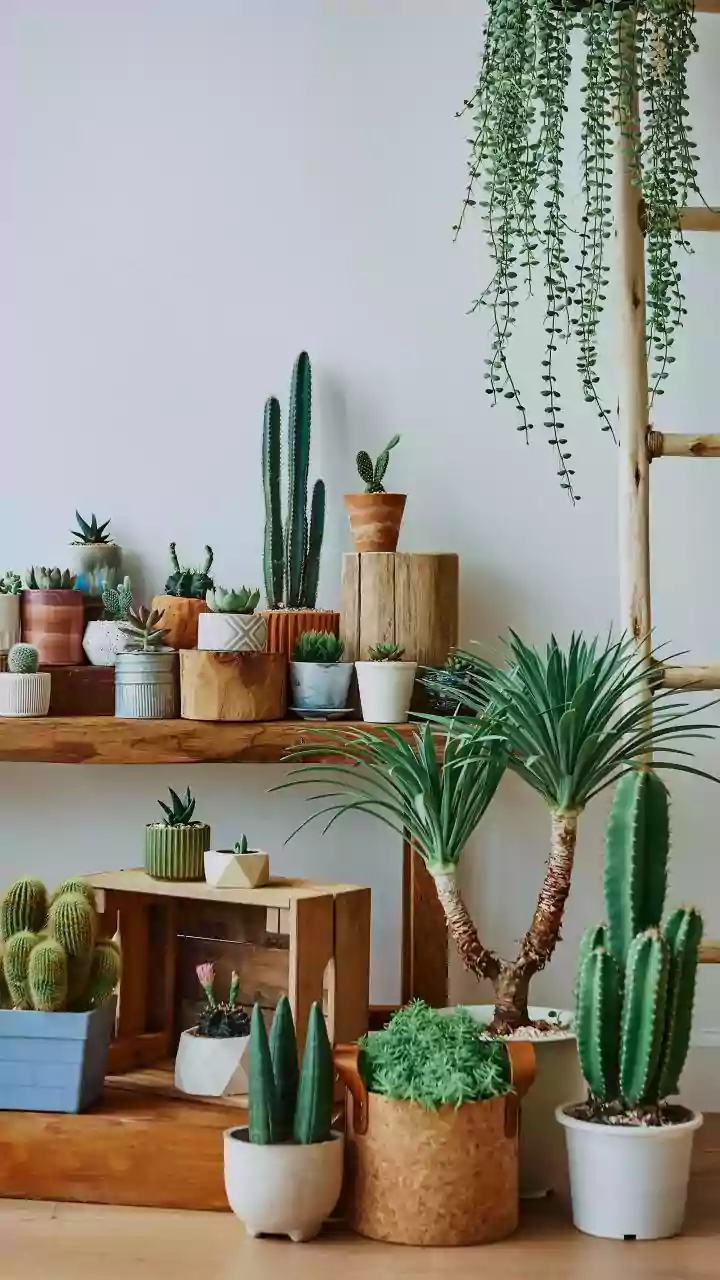
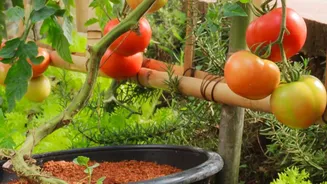
As November ushers in the chill of northern winters, a gardener's focus shifts from planting to protection. The key to helping container plants survive the cold lies in the pot itself. The right material can insulate roots and retain warmth.
Why Pot Material Matters in Winter
When temperatures
drop, the soil in a container can freeze much faster than the ground. This poses a significant risk to the plant's root system, which is less hardy than its stems and leaves. A pot's material directly influences how well it can buffer roots from extreme cold and the damaging freeze-thaw cycles that can occur. Some materials offer excellent insulation, slowing heat loss, while others conduct cold quickly, putting roots in jeopardy. Choosing a larger pot also provides more soil volume, which acts as natural insulation.
The Top Performer: Wood and Wooden Barrels
Wood is a natural insulator and one of the best choices for winter containers. Materials like cedar and teak are naturally resistant to rot and can withstand harsh weather with minimal care. The thick walls of a wooden planter or a large barrel slow down temperature fluctuations, protecting the root ball from sudden freezes. Wood's cellular structure traps air, creating a thermal barrier that helps retain the day's warmth long after the sun has set. For added protection, especially with more vulnerable woods like pine, using a plastic liner can prevent moisture from seeping into the wood and freezing.
The Modern Champion: Fiberglass and Composites
Fiberglass and other modern composite materials are engineered for durability in all weather conditions, making them an excellent choice for winter. These materials are non-porous and have a degree of flexibility, which allows them to endure freeze-thaw cycles without cracking or breaking. They offer superior insulation for plant roots compared to traditional materials. Lightweight and available in numerous styles, fiberglass planters can mimic the look of stone or terracotta while providing much better protection and longevity through northern winters.
The Double-Walled Solution: Insulated Resin and Plastic
While thin, single-walled plastic pots offer poor insulation, thicker and double-walled designs can be highly effective. High-quality, double-walled resin planters create an insulating layer of air between the inner and outer walls. This pocket of air acts as a buffer against the cold, similar to a thermos. These pots are lightweight, durable, and won't crack from freezing moisture the way porous materials do. They are a fantastic, often more affordable, alternative to fiberglass for gardeners seeking reliable winter protection.
The Risky Classic: Terracotta and Clay
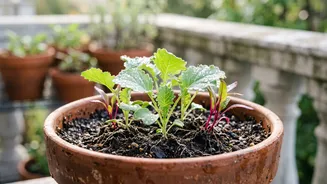
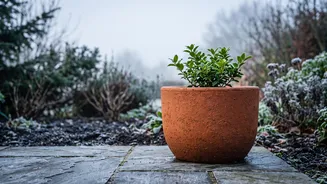
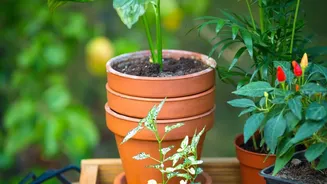
Despite their timeless appeal, terracotta and unglazed clay pots are among the worst choices for winter heat retention. Their porous nature, which is beneficial for airflow in summer, becomes a major liability in winter. The clay absorbs water, which then freezes, expands, and can easily cause the pot to crack or shatter. Furthermore, the material itself does little to insulate the roots from the cold, allowing the soil to freeze quickly. If you must use terracotta, it should be moved to a sheltered, dry location like a garage or shed before the first hard freeze.
To Be Avoided: Metal Planters
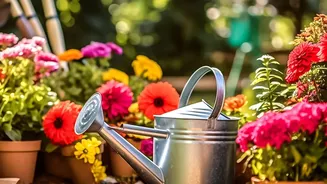
Metal planters, while stylish, are a poor choice for protecting plants in cold climates. Metal is an excellent conductor of temperature, meaning it gets cold fast and transfers that chill directly to the soil and plant roots. This rapid heat loss offers virtually no insulation, leaving roots highly vulnerable to frost damage. If using metal for decorative purposes, it is best to place a well insulated plastic or fiberglass pot inside it rather than planting directly into the metal container itself.
Extra Tips for Winter Pot Protection
Regardless of the material, you can boost protection. Grouping pots together reduces their exposure to wind and cold air on all sides. Elevating pots with 'pot feet' prevents their bases from freezing to the ground and ensures good drainage. You can also wrap pots in insulating materials like bubble wrap or burlap for an extra layer of defense against the elements. Finally, adding a thick layer of mulch on top of the soil provides crucial insulation for the top layer of roots.