






The Science of Scent
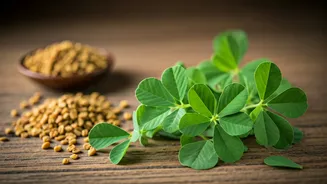
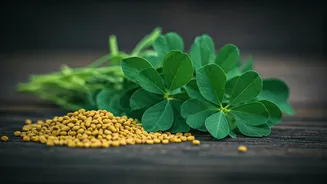
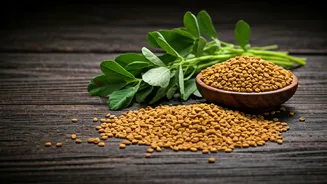
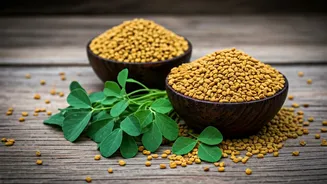
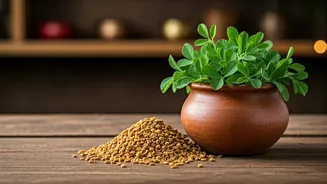
The incredible, mouth-watering scent is often thanks to one key ingredient: fenugreek, known as methi in India. Both the seeds and leaves of the fenugreek plant contain a potent aromatic compound called sotolon. At lower concentrations, it smells like
maple syrup or caramel, but in savoury dishes, it provides a rich, earthy, and uniquely complex aroma that is hard to replicate. It’s this compound that gives many restaurant dishes their signature, deeply layered fragrance that is so difficult to achieve for many home cooks.
Fresh vs. Dried: Know Your Methi
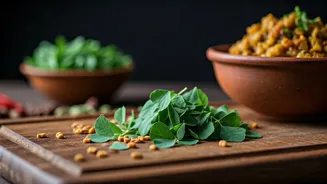
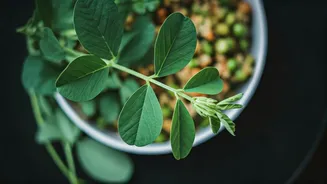
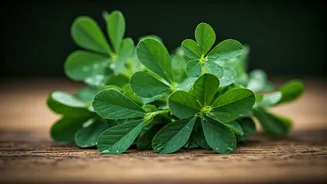
Fenugreek leaves come in two primary forms, and knowing when to use each is key. Fresh fenugreek (methi) has a more vegetal, slightly bitter flavour. It’s used as a leafy green, similar to spinach, and adds a fresh, herbaceous quality to dishes. Dried fenugreek leaves, known as kasuri methi, have a much more concentrated and potent aroma. The drying process mellows some of the bitterness and intensifies the sweet, earthy notes, making it a powerful finishing herb. While they come from the same plant, they are not always interchangeable; fresh leaves are a core vegetable component, while dried leaves are a flavour enhancer.
Mastering Fresh Fenugreek
Fresh methi leaves require a bit of prep but are well worth the effort. They can be sandy, so it is essential to wash them thoroughly in plenty of water. To combat their natural bitterness, you can soak the leaves in salt water for about 20-30 minutes and then squeeze them dry. Another method involves blanching them in hot water with a little lemon juice. Only use the leaves and tender stems; thick, tough stalks should be discarded as they contribute to bitterness. Fresh methi is brilliant in dishes like Aloo Methi (potato and fenugreek stir-fry), or kneaded into dough for flavourful parathas and theplas.
The Magic of Kasuri Methi
Kasuri methi is the secret weapon for achieving that final burst of restaurant-style aroma. The classic technique is to crush the dried leaves between your palms before sprinkling them over a dish right at the end of cooking. This action releases their volatile oils and ensures maximum fragrance. Adding kasuri methi too early in the cooking process can diminish its aromatic impact. It’s an essential finisher for rich, creamy gravies like Butter Chicken, Paneer Butter Masala, and Dal Makhani, where it balances the richness and adds a final layer of complexity.
Common Mistakes to Avoid
A little fenugreek goes a long way. Using too much, whether fresh or dried, can easily overpower a dish and make it unpleasantly bitter. When using kasuri methi, remember it is a finishing herb, not a primary spice to be fried at the beginning. If a dish does become too bitter from fenugreek, adding a creamy ingredient like yogurt or coconut milk, or a touch of sweetness from sugar or honey, can help balance the flavours. Properly cleaning fresh leaves is also a non-negotiable step to avoid a gritty texture in your final dish.