

A Journey Forged in History
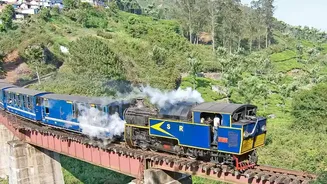
This isn't a modern tourist railway but a living piece of history. The tracks were first laid by the British in the 19th century, not for sightseeing, but to transport coffee and, later, tea from the lush central highlands to the port of Colombo. That
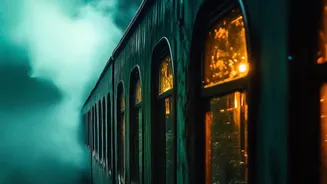
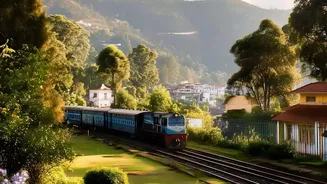
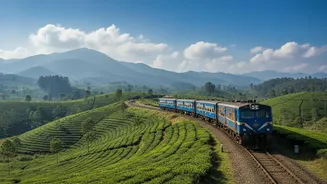
colonial legacy is felt in the charming, old-world stations and the very rhythm of the journey. The train itself, often a classic blue model, moves at a leisurely pace, allowing passengers to feel fully immersed in the experience. It’s less of a commute and more of a rolling meditation through the heart of Sri Lanka's hill country.
A Seven-Hour Symphony of Scenery
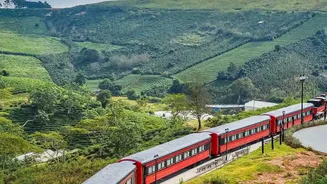
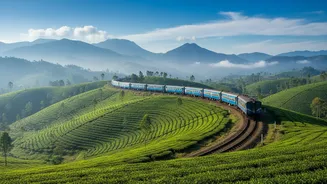
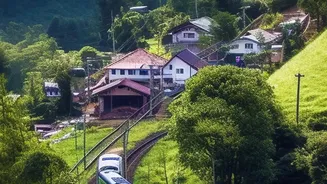
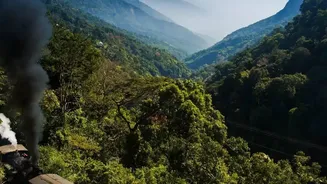
The roughly seven-hour trip is a non-stop parade of breathtaking vistas. Shortly after leaving the bustling city of Kandy, the urban landscape gives way to a world of endless tea plantations. Manicured green bushes carpet the steep hillsides, dotted with the colorful figures of tea pluckers at work. The train snakes through dark, hand-carved tunnels before emerging to views of misty mountains, cascading waterfalls, and tiny villages. The open doors and windows, a signature part of the experience, allow for an unfiltered connection to the scenery—the cool mountain air, the scent of eucalyptus, and the friendly waves from children along the tracks.
The Iconic Nine Arch Bridge
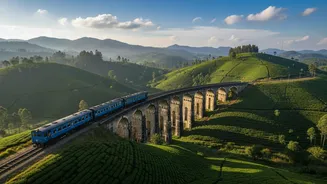
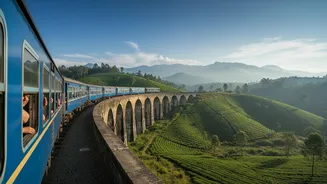
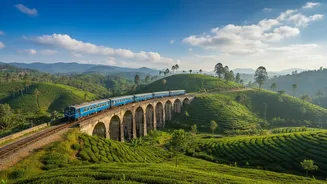
The undisputed star of the journey is the Nine Arch Bridge, located between Ella and Demodara station. Also called the 'Bridge in the Sky,' this massive viaduct was completed in 1921. A marvel of colonial engineering, it was constructed entirely from brick, rock, and cement with no steel, which was being rationed during World War I. As the train slowly traverses its 300-foot length, passengers get a stunning view of the valley below. For those on the ground, the sight of the train crossing the nine elegant arches, often shrouded in mist, has become one of Sri Lanka's most iconic and photographed images.
Why Indian Travelers Are Flocking to the Tracks
The route's surging popularity among Indian tourists is driven by a perfect storm of factors. For one, it offers world-class scenery and a unique travel experience at a relatively affordable price point. The journey is also highly 'Instagrammable,' with the dangling-out-the-doorway photo becoming a coveted shot for social media-savvy travelers. Furthermore, Sri Lanka's proximity to India and cultural similarities make it an accessible and comfortable destination. The rise of experiential travel sees more people seeking memorable activities over simple sightseeing, and this train journey delivers an unforgettable narrative-rich adventure that resonates deeply.
How to Ride: A Practical Guide
Booking this popular journey requires some planning. Tickets, especially for reserved seats in first or second class, often sell out weeks or even a month in advance. Tickets can be purchased online through Sri Lanka Railways' official site or third-party vendors like 12Go Asia, which many international travelers find easier to navigate. There are also unreserved third-class carriages, where you buy a ticket at the station on the day of travel, but this offers no guarantee of a seat. For the best views, experts advise sitting on the right side of the train when traveling from Kandy, as it offers the most expansive vistas of the valleys and tea estates.