


The Challenge of Plant-Based Muscle Repair
After any strenuous workout, your muscle fibres experience tiny tears. The process of repairing these tears is what makes muscles stronger, and it relies heavily on protein. Proteins are made of building blocks called amino acids. Your body needs a steady
supply of 20 different amino acids to function, nine of which are considered 'essential' because the body cannot produce them—they must come from food. Animal proteins are 'complete', meaning they contain all nine essential amino acids in sufficient amounts. While many plant-based foods are rich in protein, most are 'incomplete', lacking adequate levels of one or more essential amino acids. This is where smart food pairing becomes a game-changer for anyone on a vegetarian diet looking to maximize their fitness gains.
The Amino Acid Puzzle Solved
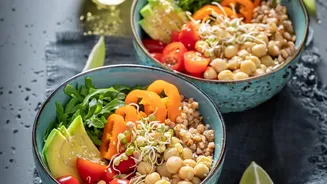
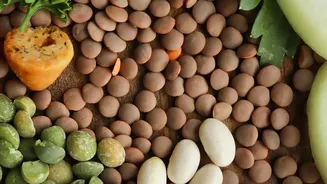
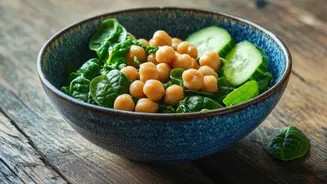
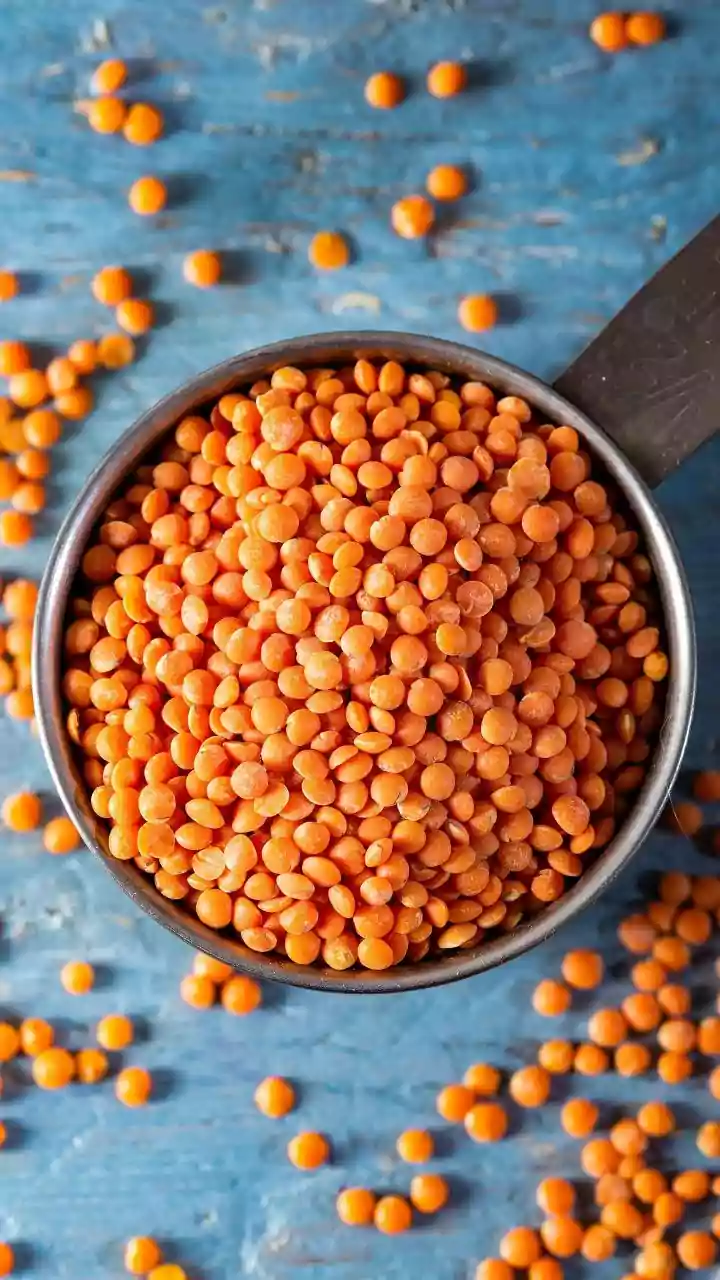
The strategy of combining different plant foods to create a complete protein profile is known as protein complementation. Think of it like a puzzle. Whole grains (like rice, wheat, and oats) are typically low in an essential amino acid called lysine, but they have plenty of methionine. Legumes (like beans, lentils, and chickpeas) are the opposite; they are rich in lysine but low in methionine. When you eat them together, their amino acid profiles complement each other, filling in the nutritional gaps. This combination provides your body with all the essential amino acids it needs to effectively trigger muscle protein synthesis—the scientific term for muscle repair and growth.
Classic Combinations for Peak Recovery
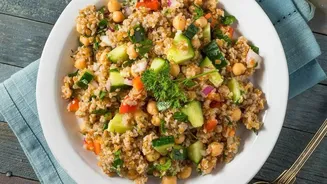
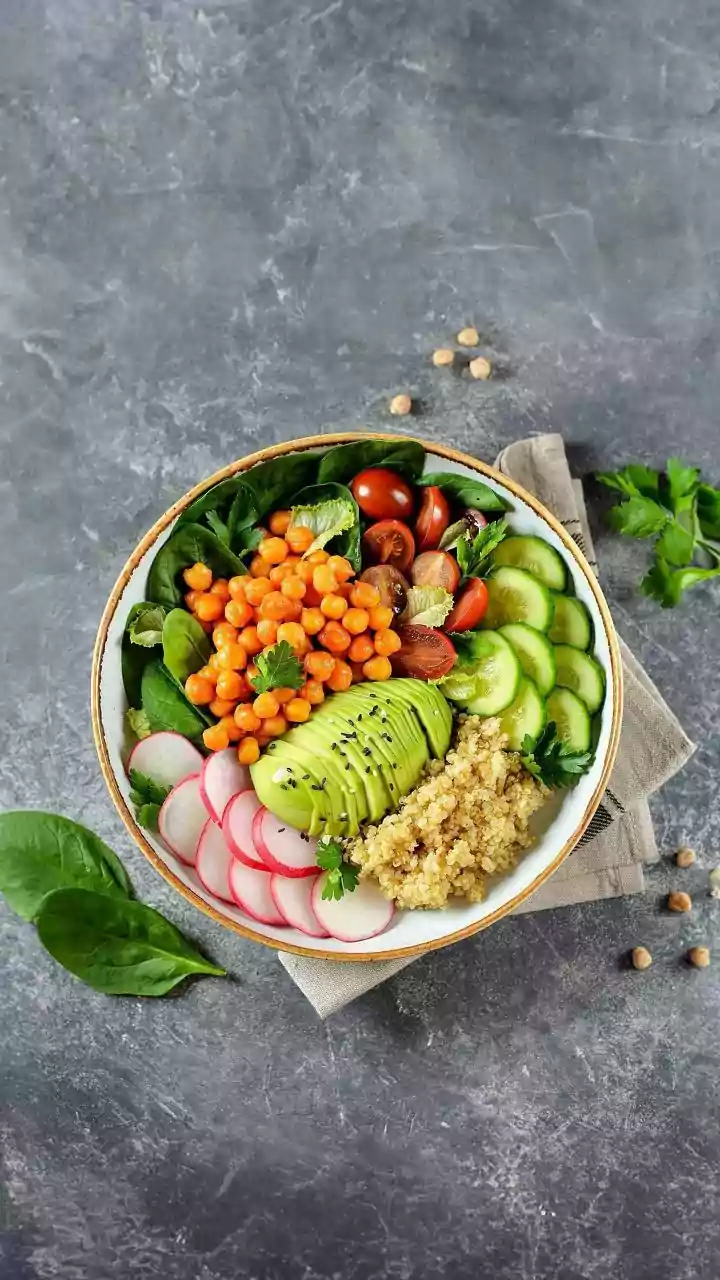
This powerful nutritional strategy has been a cornerstone of traditional diets around the world for centuries, long before the science was understood. The classic Indian meal of dal (lentils) with rice or roti (whole wheat bread) is a perfect example of a complete protein pairing. Similarly, Mexican cuisine pairs beans with corn tortillas, and Middle Eastern food combines hummus (made from chickpeas and sesame tahini) with whole wheat pita bread. These combinations aren't just delicious and culturally significant; they are scientifically sound methods for delivering high-quality protein to your body for recovery and repair. Other simple and effective pairings include peanut butter on whole-grain bread and a quinoa bowl with black beans.
Timing Your Post-Workout Meal
To make the most of this powerful food synergy, timing matters. After a workout, your muscles are primed to absorb nutrients to begin the repair process. While you don't need to stress about a mythical 20-minute 'anabolic window', aiming to eat a recovery meal within one to two hours post-exercise is a good general guideline. This meal should ideally contain both protein and carbohydrates. The protein provides the amino acids for muscle repair, while carbohydrates help replenish your muscle glycogen—the energy stores you depleted during your workout. A well-balanced meal of grains and legumes perfectly supplies both of these crucial macronutrients, helping you recover faster and feel energised for your next session.
Do I Need to Eat Them in the Same Meal?
For a long time, it was believed that you had to eat complementary proteins in the exact same meal for your body to use them effectively. However, more recent understanding shows that the body maintains a pool of amino acids throughout the day. As long as you eat a varied diet that includes a mix of different plant protein sources over the course of a day, your body can pull the necessary amino acids from that pool to build complete proteins. So, while a post-workout meal of rice and beans is a fantastic option, you don't need to obsess over every single meal. The bigger picture is consistency and variety in your daily diet, ensuring you include a wide range of legumes, grains, nuts, and seeds.