



The Anatomy of a GLOF
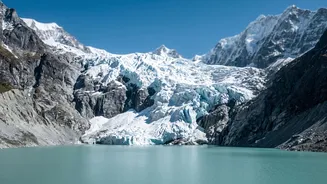
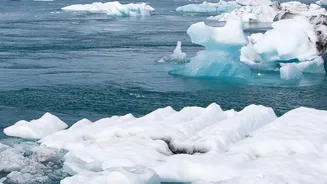
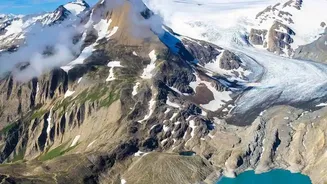
A Glacial Lake Outburst Flood, or GLOF, is the sudden and violent release of water from a lake dammed by glacial ice or debris. As glaciers melt and shrink, they leave behind depressions that fill with meltwater. These lakes are often held in place by nothing
more than unstable walls of loose rock, soil, and ice known as moraines. These moraine dams are naturally weak and can be compared to an earthen dam made of unconsolidated material. As the lake grows, the pressure on this fragile barrier increases, setting the stage for a potential disaster.
The Dangerous Role of Extreme Weather
Climate change is the primary driver, accelerating the growth of these lakes. But extreme weather events often act as the trigger that unleashes the flood. Intense, localised rainfall or a cloudburst can rapidly raise the lake's water level, causing it to overtop the moraine dam. The flowing water can then quickly erode the loose material, creating a wider breach and releasing a torrent. Similarly, an avalanche of rock, snow, or ice, often destabilised by warming temperatures or seismic activity, can crash into the lake. This creates a massive displacement wave, like a tsunami, that can instantly overwhelm and break the dam, releasing millions of cubic metres of water in minutes.
The Indian Himalayas: A High-Risk Zone
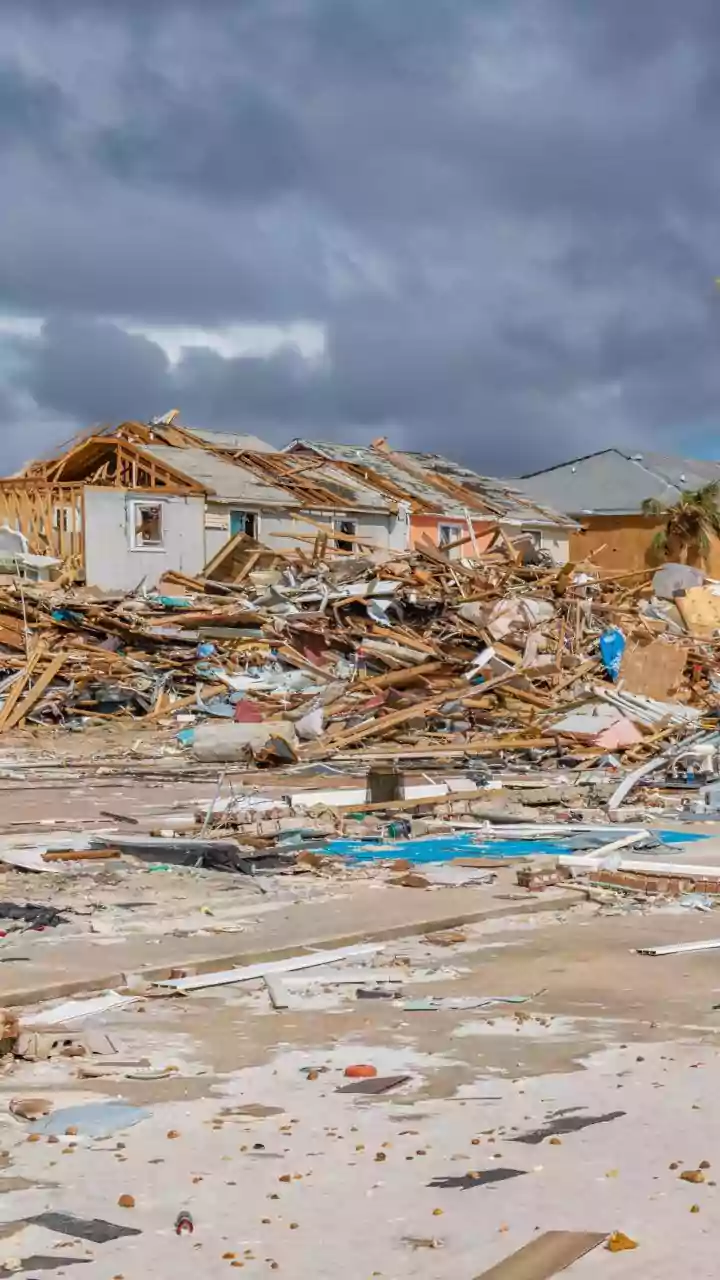
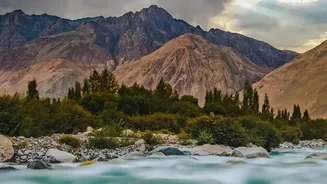
The Hindu Kush Himalaya region is warming significantly faster than the global average, leading to widespread glacier retreat. India is home to thousands of glacial lakes, with hundreds identified as being at high risk. Recent disasters have underscored this vulnerability. The 2023 GLOF from South Lhonak Lake in Sikkim, triggered after intense rainfall, caused a massive flood that resulted in numerous fatalities and destroyed a major hydropower dam. The 2021 Chamoli disaster in Uttarakhand, which involved a rock and ice avalanche, also led to a devastating flash flood. These events demonstrate how a single GLOF can trigger a cascade of hazards, picking up sediment and debris to become a destructive, fast-moving slurry that obliterates everything in its path.
From Monitoring to Mitigation
The increasing frequency of GLOFs has pushed authorities to act. India's National Disaster Management Authority (NDMA) has a National GLOF Risk Mitigation Programme that focuses on identifying and monitoring at-risk lakes. Efforts are underway to install early warning systems that use a combination of satellite imagery and on-site sensors to monitor lake levels, weather conditions, and ground stability. In some cases, structural measures are also being explored, such as the controlled siphoning of water from dangerous lakes to reduce pressure on the moraine dam. These interventions, coupled with community awareness programs, are crucial for protecting the lives and infrastructure in vulnerable downstream valleys.