


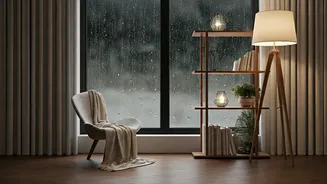



Layer 1: Find and Fix the Source
Before you can solve the problem, you must become a detective. Dampness in Indian homes typically comes from three main culprits. The first is penetrating damp, often caused by rainwater seeping through cracks in external walls or a leaky roof. The second
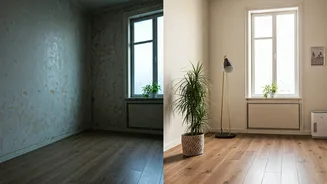
is rising damp, where moisture from the ground travels up through the masonry. The third, and most common, is condensation, which occurs when warm, moist air inside your home hits a cold surface, like a wall or window. Look for tell-tale signs like peeling paint, dark patches, or a musty smell to identify your specific issue. Fixing the source is the absolute first layer of defence; without it, all other efforts are just temporary fixes. This may involve sealing cracks in exterior walls, repairing the roof, or addressing plumbing leaks.
Layer 2: Exterior Waterproofing
Your home's first line of defence against the elements is its exterior. Once major leaks are fixed, applying a waterproof barrier is crucial. Think of this as your home's raincoat. For exterior walls, which face direct rain exposure, this involves cleaning the surface, repairing any remaining visible cracks, and then applying a quality waterproof coating or paint. These products create a barrier that repels water, preventing it from ever getting into the walls. Also, ensure your drainage systems, like gutters and downspouts, are clear and directing water away from the house foundation to prevent water from pooling and seeping in.
Layer 3: Interior Damp-Proofing
With the exterior secured, the next layer of protection moves inside. If you're dealing with persistent issues, especially on ground floors, a professional might recommend installing a damp-proof course (DPC), which is a physical barrier that stops rising damp. For less severe cases, modern damp-proof paints and coatings can be highly effective. These are applied directly to the internal walls after stripping away any damaged paint or plaster and allowing the wall to dry completely. Products like cementitious coatings create a rigid, waterproof shell, while others form a water-resistant film. This layer acts as a secondary barrier, managing any moisture that might still find its way through.
Layer 4: Ventilation and Air Circulation
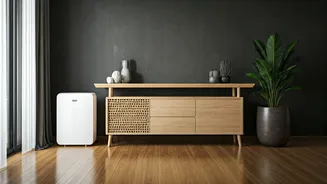
A sealed home can trap moisture, turning it into a breeding ground for mould and mildew. This makes ventilation a critical, non-negotiable layer. The simplest method is to ensure good airflow by opening windows and doors daily, especially after activities that create steam, like cooking or showering. Using exhaust fans in kitchens and bathrooms is essential to vent moisture-laden air directly outside. For homes with persistent high humidity, a dehumidifier can be a game-changer, actively pulling water vapour from the air. Improving air circulation with fans and even strategic furniture placement—keeping pieces a few inches away from walls—can also prevent stagnant, damp spots from forming.
Layer 5: Thermal and Comfort Layers
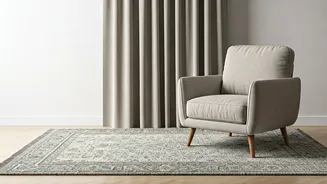
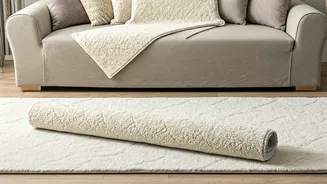
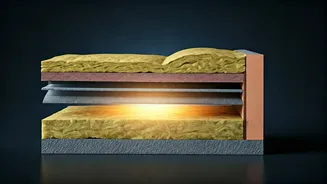
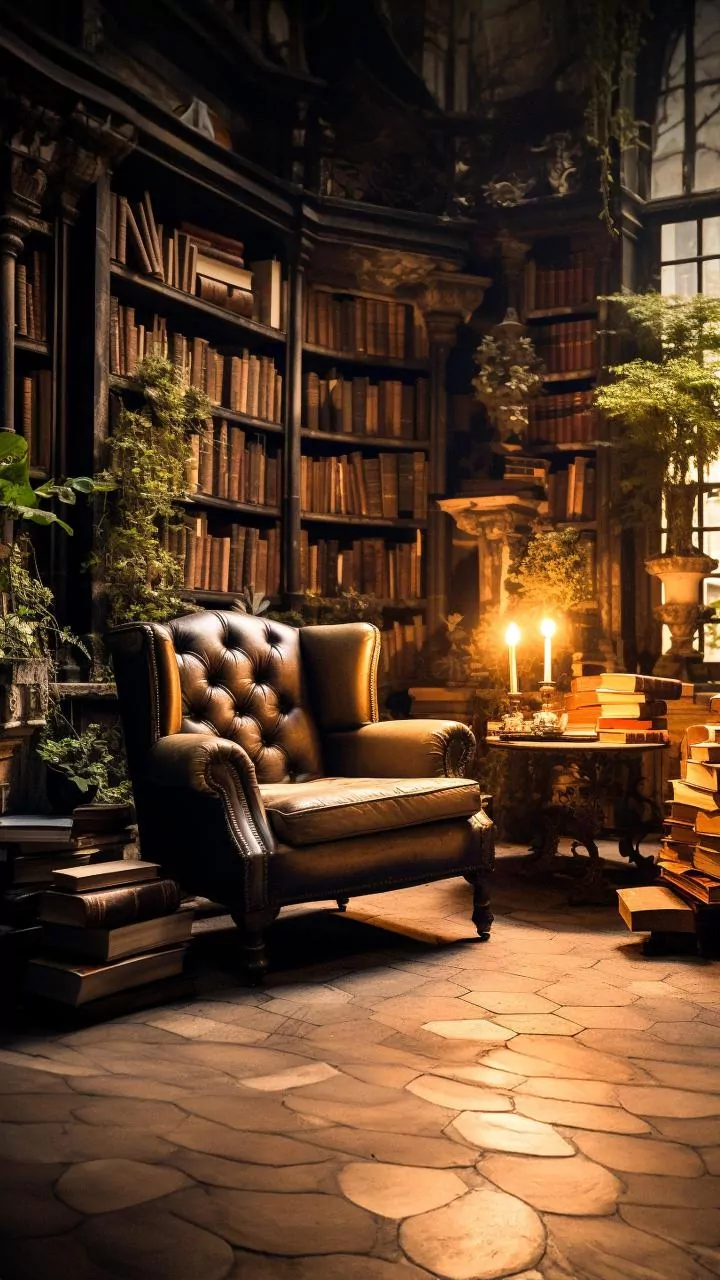
Once your home is dry, it's time to tackle the 'cave'-like cold. This is where you add layers for warmth and cosiness. Thick, thermally lined curtains can significantly reduce heat loss through windows and block cold draughts. Rugs do more than just beautify a space; they add a crucial layer of insulation over cold floors like tile or concrete, making the room feel instantly warmer underfoot. You can even consider textile wall hangings or large bookcases, which add an extra layer of insulation to the walls themselves. These additions are about trapping warmth and creating a comfortable, inviting atmosphere.
Layer 6: Finishing with Smart Decor
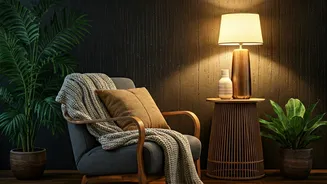
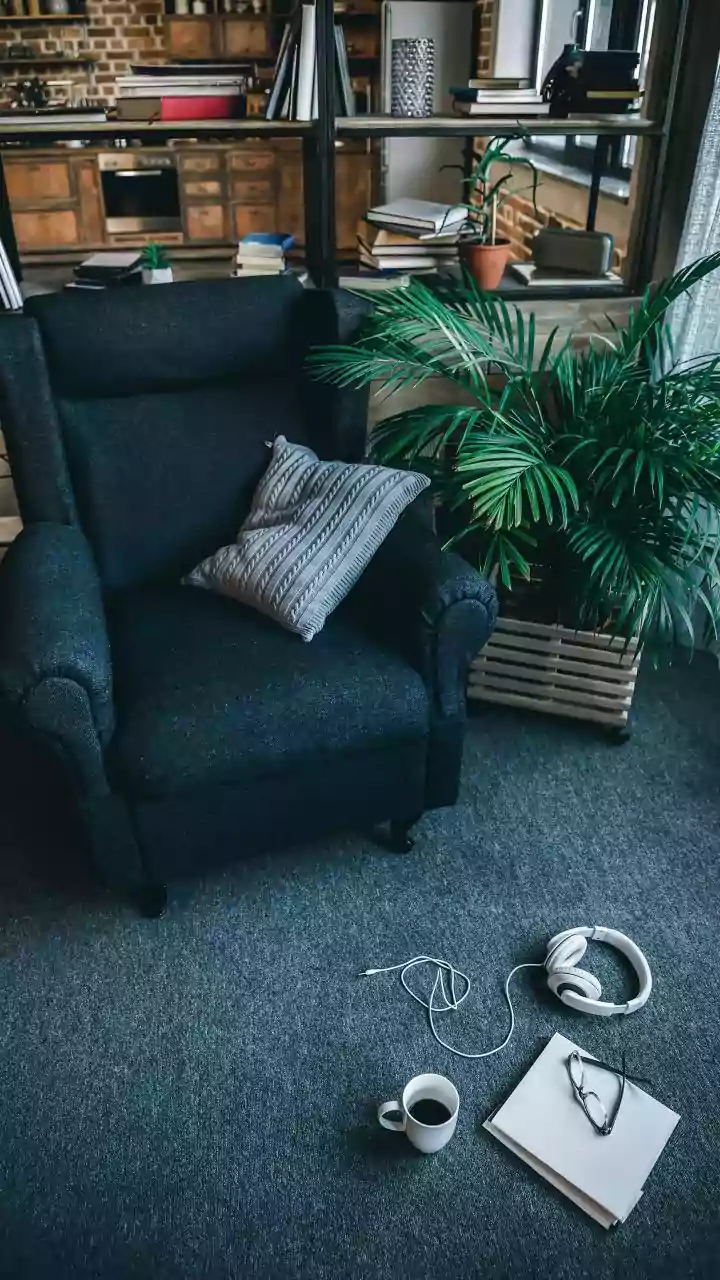
The final layer involves making smart decor choices that contribute to a dry and warm environment. Avoid materials that absorb and hold moisture, such as heavy carpets in basements or other damp-prone areas; washable area rugs are a better choice. Opt for furniture made from materials that are less susceptible to swelling and mould, and keep wooden pieces from touching walls directly. Light, warm colours on walls can make a space feel brighter and less cave-like. The use of soft textures like faux-fur throws, wool blankets, and velvet cushions adds a final touch of visual and physical warmth, completing the transformation from a damp cave to a cosy sanctuary.