





First, Understand the Cause
That distinct musty smell is primarily caused by the growth of mould and mildew, which thrive in damp, humid conditions. During the rainy season, high humidity allows moisture to seep into walls, furniture, carpets, and clothing, creating the perfect
breeding ground for these fungi. Poor ventilation, blocked drains, and drying clothes indoors exacerbate the problem by trapping moisture inside your home. Addressing the smell isn't just about masking it; it's about controlling the underlying moisture.
Promote Air Circulation
Ventilation is your most powerful tool against dampness. Whenever there's a break in the rain, open windows and doors to allow fresh air to circulate and push stale, humid air out. Using exhaust fans in kitchens and bathrooms is crucial. In the kitchen, run the chimney or exhaust fan while cooking, and in the bathroom, leave the fan on for at least 10 minutes after a shower to expel steam. Even running a ceiling fan on a low speed can help keep air moving, discouraging mould growth in stagnant corners.
Use Natural Dehumidifiers and Odour Absorbers
Several common household items are excellent at absorbing both moisture and smells. Place bowls of rock salt, baking soda, or activated charcoal in damp-prone corners, inside wardrobes, and under sinks. Activated charcoal is particularly effective due to its porous nature, which traps a wide range of odour molecules. Studies show it can be more efficient than baking soda at eliminating smells. For wardrobes, you can place silica gel packets or even sticks of chalk to absorb excess moisture and protect your clothes.
Let the Sunshine In
Sunlight is a natural disinfectant. On the rare sunny days during the monsoon, make the most of it. The sun's ultraviolet rays can help kill mould and mildew spores. Open your curtains wide to let in as much light as possible. It's a good idea to switch heavy drapes for lighter, sheer curtains during this season to maximise daylight. Air out cushions, pillows, and rugs in a sunny spot to dry them out completely and eliminate any lingering dampness.
Smart Cleaning and Wardrobe Care
Regular cleaning is essential. Wipe down walls and furniture with a dry cloth to prevent fungal buildup. For carpets and rugs, which trap a lot of moisture, regular vacuuming is a must. Sprinkling baking soda on them, letting it sit for about 30 minutes, and then vacuuming can help neutralise odours. Pay special attention to your wardrobe. Ensure clothes are completely dry before storing them. Placing camphor or dried neem leaves inside closets not only helps absorb moisture but also acts as a natural insect repellent.
Consider a Dehumidifier
For homes with persistent humidity problems, investing in an electric dehumidifier can be a game-changer. These appliances work by pulling excess moisture from the air, which is the root cause of musty smells and mould growth. They are especially useful in poorly ventilated areas like basements or windowless bathrooms. While it's an investment, a dehumidifier offers a long-term solution to managing indoor humidity levels effectively during the entire monsoon season.
Freshen the Air Naturally
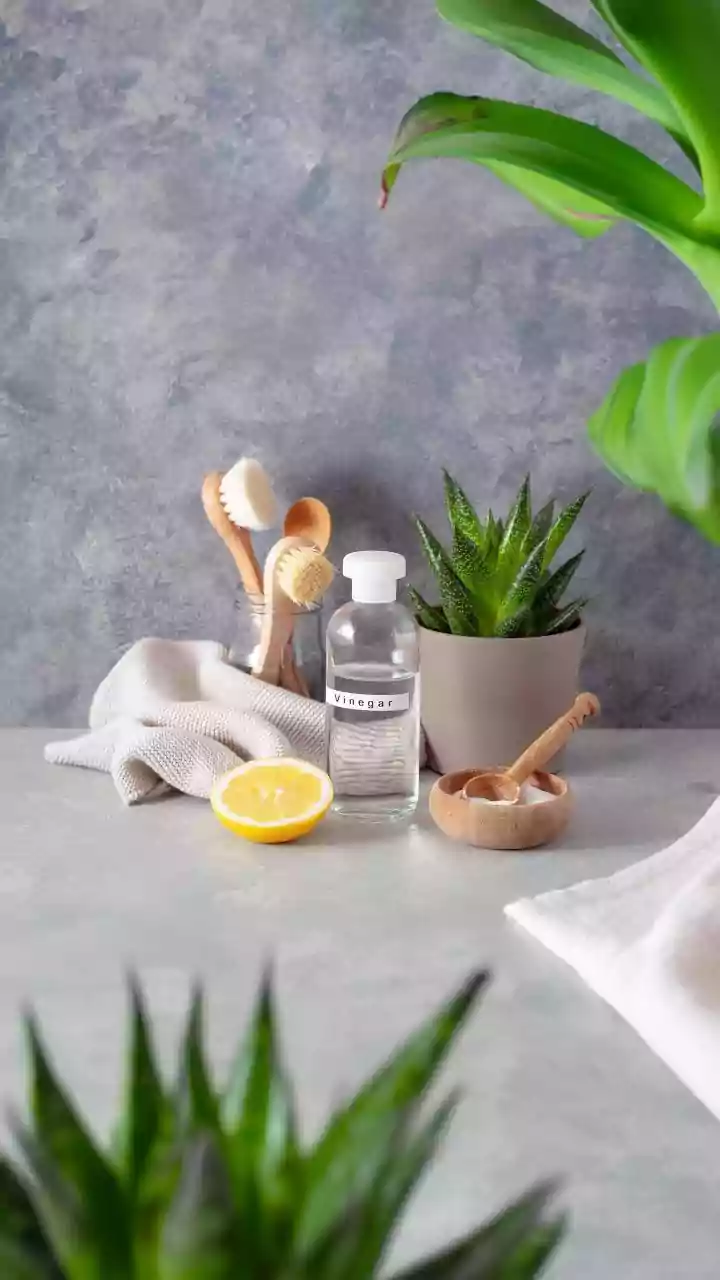
Once you've tackled the moisture sources, you can use natural fragrances to freshen the air. Avoid chemical air fresheners, which can release pollutants indoors. Instead, use essential oil diffusers with oils like lemongrass, eucalyptus, or lavender. Placing bowls of white vinegar can also help neutralise lingering musty smells. A few pieces of lit camphor carried from room to room can also leave a pleasant aroma while helping to deter fungal growth.