




Beyond the Curry Monolith
For years, the vast and varied culinary landscape of India was often flattened into a few familiar dishes for international audiences. [7] But a significant shift is underway. [4] Global diners are looking past butter chicken and naan, developing a taste
for specificity and tradition. [4, 7] This growing appetite for authenticity has turned the world’s attention to regional Indian cuisines, and Kerala is a prime beneficiary. [10] Food intelligence platforms have even identified Keralan cuisine as one to watch, noting its rising popularity in cities across the US, UK, and the Middle East. [3, 5] This isn't just about new recipes; it's about a deeper appreciation for the complexity and nuance that has long been overlooked on the international stage. [7] Travel and food media are also playing a part, with publications like Lonely Planet highlighting Kerala's culinary traditions as one of the world's best travel experiences for 2026. [8, 20]
The Wellness and Health Connection
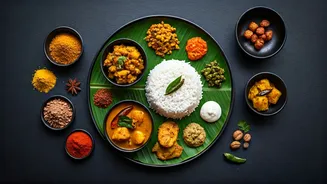
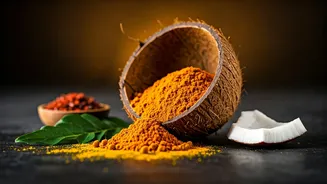
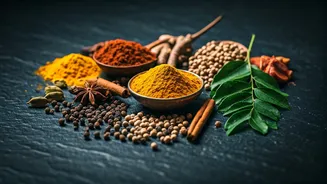
A major driver of Kerala’s newfound global appeal is its inherent alignment with modern wellness trends. [3] The cuisine is rich in ingredients that are now celebrated for their health benefits. Coconut, a cornerstone of Malayali cooking, is used as oil, milk, and paste, providing medium-chain fatty acids considered beneficial for heart health. [3, 21] The liberal use of spices like turmeric, black pepper, and ginger—prized in Ayurveda for their anti-inflammatory and digestive properties—also resonates with health-conscious consumers. [3, 19, 22] Furthermore, the prevalence of fermented foods like appam and dosa, along with an abundance of vegetable-forward dishes (like thoran and avial), aligns perfectly with the global focus on gut health and plant-based diets. [3, 7, 15] This makes Kerala's food feel less like a trend and more like a timeless tradition whose moment has come. [22]
Champions of the Cuisine
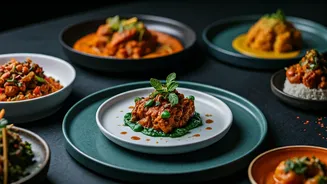
The rise of Kerala's cuisine is also a story of its people. The global Malayali diaspora has been instrumental in introducing authentic flavours to new audiences through home cooking and local restaurants. [4, 11] In recent years, a new generation of chefs has taken on the role of cultural ambassadors. [13] Chefs like Suresh Pillai and Jomon Kuriakose are earning acclaim in cities like London and Bengaluru by showcasing traditional dishes in modern, fine-dining contexts. [13, 18] They are consciously moving away from generic Indian menus to celebrate the dishes of their homeland, from duck mappas to *mathanga erissery* (pumpkin curry). [18] This push is supported by food influencers and bloggers who educate a global audience about India's true culinary diversity, helping to elevate regional gems. [9, 17]
A Taste of God's Own Country
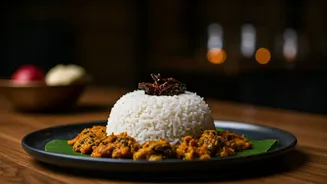
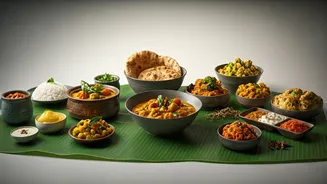
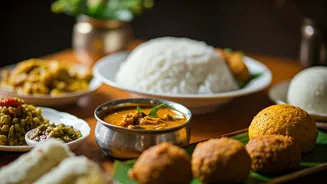
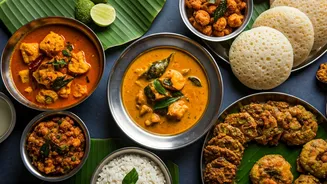
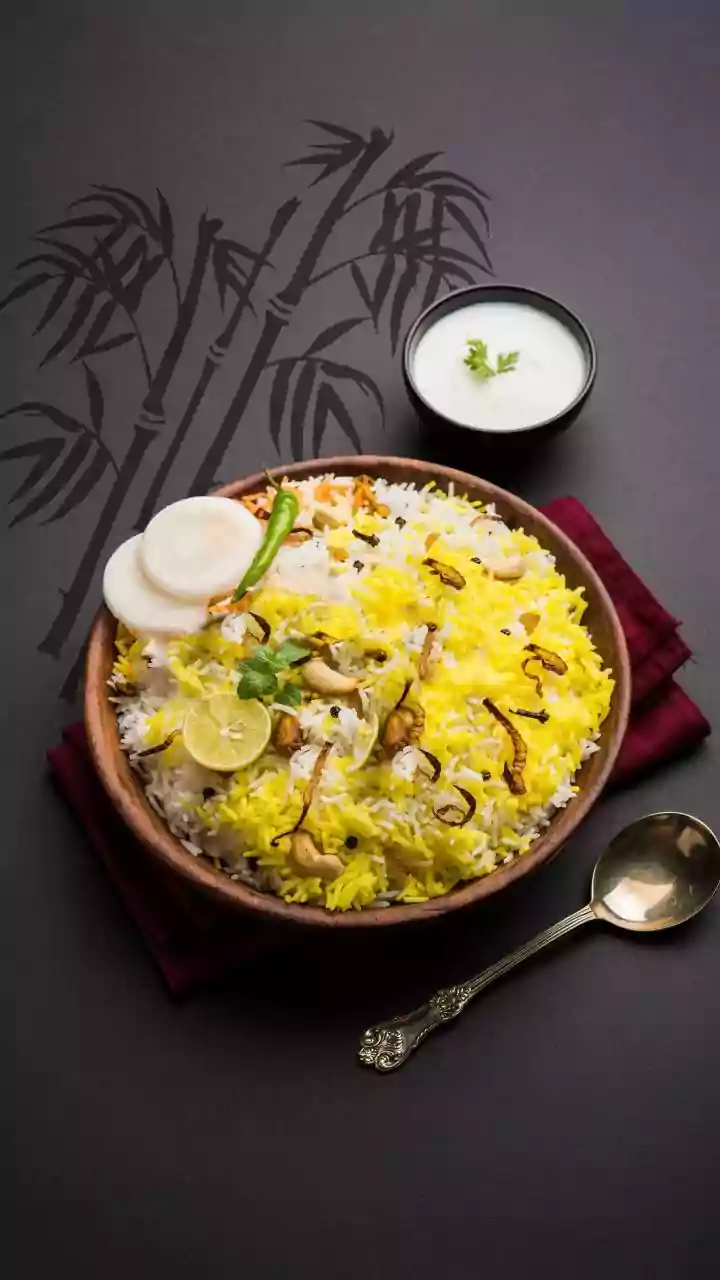
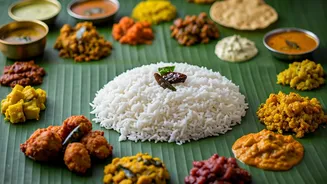
So, what are the dishes leading the charge? The delicate, lacy *appam* served with a mild coconut-based stew is a comforting classic gaining fans for its subtle flavour. [3] The Malabar biryani, made with fragrant short-grain *jeerakasala* rice, offers a lighter, more aromatic alternative to its heavier counterparts. [3] Seafood preparations like *Karimeen Pollichathu* (pearl spot fish marinated in spices and grilled in a banana leaf) highlight the fresh coastal bounty and traditional cooking techniques. [3] Even the humble *puttu*, a steamed cylinder of rice flour and coconut, served with *kadala* (black chickpea) curry, is being recognized for its simple, wholesome appeal. [3, 15] These dishes tell the story of Kerala's geography and history—a blend of coastal ingredients, ancient spice trade routes, and a tapestry of cultural influences. [8, 16]
The Future Is Flavourful
As Kerala's cuisine continues to gain global recognition, it stands at an exciting crossroads. The international spotlight offers immense opportunities for culinary tourism, with food-focused tours of Kochi’s spice markets and countryside toddy shops becoming increasingly popular. [8, 12] However, this popularity also brings the challenge of maintaining authenticity while adapting to global palates. [10] Chefs are finding innovative ways to present traditional dishes, creating fusion items and modern interpretations that honour their roots. [3, 11] The key will be to balance innovation with the preservation of the unique, layered flavours that make the cuisine so special. [10] This growing recognition is more than just a food trend; it's a celebration of culture, history, and identity being shared with the world, one delicious plate at a time. [4]