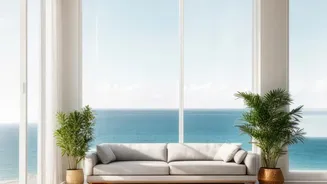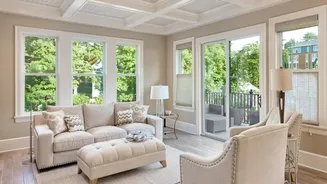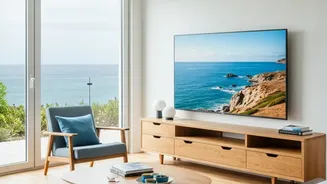


The Essence of Coastal Style
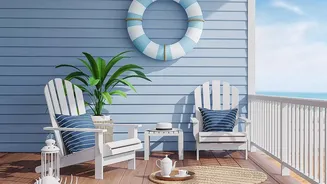
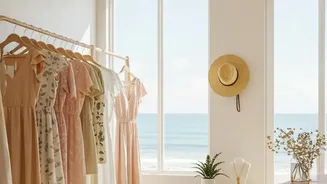
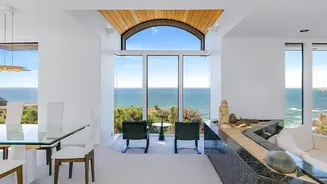
Before diving into rope, it's key to understand what defines modern coastal decor. It's much more than just anchors and seashells. The core philosophy is about capturing the feeling of being by the sea. This translates to a light and airy color palette—think
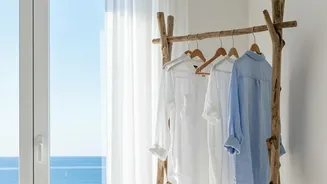
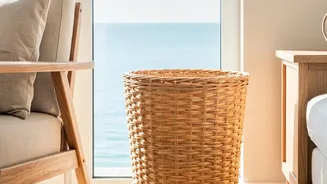
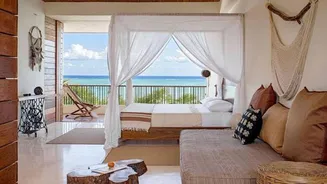
whites, beiges, and soft blues—that maximizes natural light. The style heavily relies on natural materials like light woods, rattan, linen, and cotton to create a relaxed, organic atmosphere. Unlike the more literal and historical 'nautical' style, which often features bold navy, red, and brass inspired by ships and sailor uniforms, coastal design is softer and more abstract. The goal is to create a tranquil, uncluttered space that feels like a peaceful seaside retreat.
Rope’s Natural Connection
Rope is one of the key materials that bridges the gap between the more rugged nautical style and the softer coastal aesthetic. Its primary role in coastal decor is to add texture and a touch of organic, rustic charm. As a material historically linked to sailing and maritime life, it brings an authentic seaside feel without being overly thematic. The natural fibers and earthy tones of ropes made from jute, sisal, or manila contrast beautifully with the smooth surfaces and soft fabrics common in coastal homes, adding warmth and visual interest. This textural play is crucial for preventing a light-colored room from feeling flat or one-dimensional. Rope’s versatility allows it to be a subtle accent or a standout feature, depending on how it's used.
Functional and Stylish Implementations
There are countless ways to weave rope into your home, ranging from small DIY projects to significant statement pieces. For a subtle touch, consider wrapping rope around the base of a lamp, the frame of a mirror, or a simple vase or planter. These small additions introduce texture without overwhelming the space. Function meets form when rope is used for cabinet and drawer pulls, providing a unique and tactile alternative to standard metal hardware. Hanging shelves, where planks of wood are suspended by thick ropes, are another popular option that adds a rustic, functional element to a room. In lighting, rope-wrapped pendant light cords or even entire chandeliers made from knotted rope can become a stunning focal point in a kitchen or dining room.
Larger Scale and Statement Pieces
For those wanting to make a bolder statement, rope can be used in more structural ways. A rope-wrapped staircase handrail is an affordable and playful way to bring a nautical feel to a multi-level home. Room dividers made from vertical strands of thick rope can define a space, like separating an entryway from a living room, without blocking light—maintaining that airy coastal feel. Furniture itself can incorporate rope, from stools and ottomans wrapped entirely in rope to bed frames with rope-woven headboards. A large, coiled rope rug or doormat can also serve as a foundational piece that anchors the room’s coastal theme from the ground up.
Achieving the Right Balance
The key to successfully using rope in coastal decor is balance and subtlety. The aim is to evoke the coast, not to create a themed party room. It’s best to avoid using too many literal nautical symbols like anchors and ship wheels alongside your rope accents. Instead, let the rope’s texture speak for itself. Mix it with other natural materials like driftwood, linen, and seagrass to create a cohesive and sophisticated look. For instance, if you have a large rope-wrapped chandelier, keep other accents in the room more understated. If you're using rope drawer pulls, you might pair them with a simple linen Roman shade. By not overdoing it, rope accents will feel integrated and authentic, enhancing the calm, chic, and comfortable essence of your coastal home.