




What Exactly Is a Reverse Waterfall?
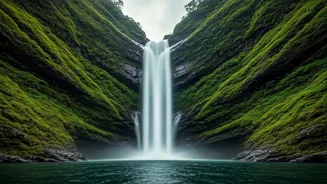
First, let's clear up the mystery. A reverse waterfall isn't actually flowing backwards against gravity from its source. The phenomenon is a powerful and beautiful illusion created by a unique combination of geography and weather. It happens at certain
cliffs and valleys, primarily during the peak of the monsoon season. When gale-force winds hit the face of a cliff at just the right angle, they are forced upwards with tremendous speed. If a waterfall is cascading down that same cliff, these powerful winds catch the falling water droplets and spray them back up and away from the cliff edge, creating the stunning visual of water defying gravity. It’s less about the water reversing its course and more about it being overpowered by the sheer force of the wind. The effect is a mesmerising, atomised mist that drenches everything and everyone nearby.
The Monsoon's Magical Allure
For adventure seekers and nature lovers, the appeal is undeniable. The experience is multi-sensory: the roar of the wind competing with the sound of the water, the feeling of being engulfed in a cool, moving cloud of mist, and the dramatic sight of the lush green ghats shrouded in fog. In a world saturated with digital experiences, the raw, visceral power of a reverse waterfall offers a profound connection to nature. This isn't just a sight to be seen; it's an event to be experienced. The thrill comes from witnessing a natural force so strong it can seemingly bend the rules of physics, turning a familiar landscape into something otherworldly and unforgettable. It's the perfect antidote to the mundane, a short, accessible adventure that delivers a high dose of wonder.
Hotspots in the Western Ghats
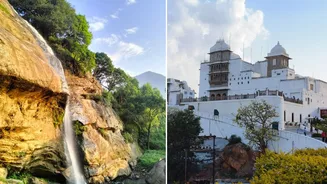
Maharashtra is the epicentre of this phenomenon. The Sahyadri mountain range, part of the Western Ghats, offers the perfect topography for reverse waterfalls during the monsoon. One of the most famous locations is Naneghat, a historic mountain pass near Pune. Its wide cliff faces and exposure to strong westerly winds make it a prime spot. Another popular destination is Malshej Ghat, known for its winding roads and numerous waterfalls that 'flow' onto the highway during peak monsoon, drenching passing vehicles. Near Bhandardara, the trek to Samrad village also offers breathtaking views of reverse waterfalls amidst some of the highest peaks in the state. These locations become bustling hubs for weekend travellers, bikers, and trekkers from Mumbai and Pune, all eager to witness the spectacle.
The Social Media Effect
While locals and seasoned trekkers have known about these spots for years, the recent surge in popularity can be credited to social media. A single viral Instagram Reel or YouTube video showing water blasting upwards can inspire thousands to see it for themselves. The hashtag #ReverseWaterfall is filled with dramatic clips of people leaning into the wind, their hair and clothes whipped by the spray. This digital word-of-mouth has turned these seasonal wonders into must-visit destinations, transforming quiet viewpoints into bustling attractions. While this brings welcome tourism, it also puts pressure on the fragile local ecosystems and infrastructure, making responsible travel more important than ever.
Tips for a Safe and Smart Visit
Planning to chase a reverse waterfall yourself? Preparation is key. The best time to go is from July to early September, when the monsoon is at its peak. Wear quick-drying clothes and, most importantly, shoes with excellent grip, as the terrain will be slippery and muddy. A waterproof bag for your phone and wallet is a must. Be prepared for traffic, especially on weekends, as these spots are extremely popular. Go with a group if possible and inform someone of your plans. The weather can change in an instant, with thick fog reducing visibility to almost zero. Drive slowly and carefully. Finally, remember that the main attraction is the wind; be mindful of its power, especially near cliff edges. No selfie is worth risking your safety.