



Why Smoke Point Matters
Before comparing fats, it's essential to understand the smoke point—the temperature at which an oil or fat begins to smoke and break down. When a fat exceeds its smoke point, it not only develops a burnt, acrid taste but also starts forming potentially
harmful compounds. Indian cooking methods like tadka (tempering), bhuna (roasting), and deep-frying often involve high heat, making a fat's smoke point incredibly important for both taste and health. A fat with a high smoke point can withstand these temperatures without degrading, ensuring your food is both delicious and safe.
The Golden Standard: Ghee and Its Infusions
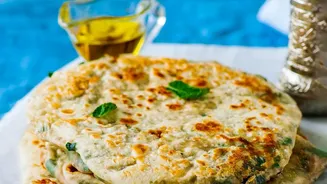
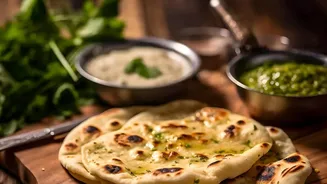
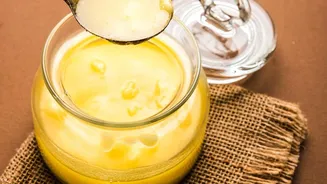
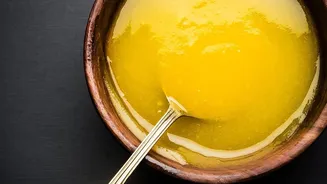
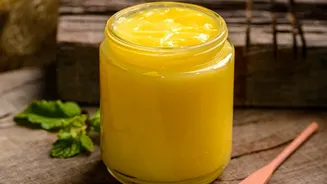
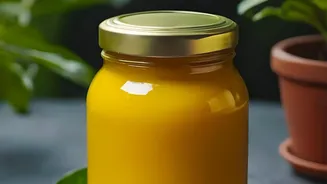
Ghee, or clarified butter, has been a cornerstone of Indian cuisine for centuries. By removing milk solids and water, the clarification process gives ghee an impressively high smoke point of around 250°C (482°F). This makes it perfect for high-heat cooking, from searing paneer to preparing sweets. Infused ghee takes this one step further. By simmering ghee with aromatics like garlic, herbs (such as rosemary or thyme), or whole spices (like cardamom and cinnamon), you create a cooking fat that carries complex flavours from the start. This 'compound ghee' is not only a flavour shortcut but also a versatile tool, perfect for finishing dals, roasting vegetables, or even just spreading on a warm roti.
The Regional Champions: Cold-Pressed Oils
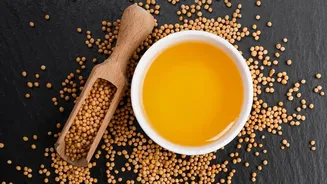
Cold-pressed oils are extracted from seeds or nuts using pressure without high heat or chemical solvents. This gentle process helps retain more of the oil's natural flavour, aroma, and nutrients. Unlike refined oils, which are often neutral, cold-pressed oils have distinct, robust characters that define many regional Indian dishes. Think of the pungent sharpness of mustard oil in Bengali fish curry, the nutty notes of groundnut oil in Gujarati snacks, or the sweet aroma of coconut oil in a Keralan stew. While their smoke points are generally lower than ghee's—ranging from medium to medium-high (around 160°C to 210°C)—they are well-suited for the everyday cooking methods of their native regions.
Head-to-Head: Choosing the Right Fat
The choice between infused ghee and cold-pressed oil isn't about which is better, but which is right for the dish. Ghee's high smoke point makes it the undisputed champion for high-temperature cooking like deep-frying. An infused ghee, with its built-in flavour, can elevate a simple dish with minimal effort. However, its rich, buttery flavour might not be suitable for every recipe. Cold-pressed oils shine when their distinct flavour is a desired component of the final dish. You wouldn't use ghee for a traditional pickle where mustard oil's pungency is key, nor would you substitute mustard oil in a sweet like besan ladoo that calls for ghee's richness. Health-wise, both offer benefits when used in moderation. Ghee provides fat-soluble vitamins, while different cold-pressed oils offer unique advantages, like the omega-3 fatty acids in mustard oil.
A Culinary Map: Pairing Fats with Recipes
To master the Indian kitchen, think regionally. For North Indian staples like Dal Makhani or Paneer Butter Masala, the rich flavour of ghee is irreplaceable. A garlic-infused ghee could be a fantastic finishing touch for a simple tadka dal. In the East, the sharp, pungent character of cold-pressed mustard oil is non-negotiable for dishes like Sarson da Saag or Jhalmuri. Down South, cold-pressed coconut oil is essential for avial and thoran, while the nutty aroma of sesame oil (gingelly oil) is key for tempering in dishes from Tamil Nadu and Andhra Pradesh. In the West, cold-pressed groundnut oil serves as a versatile workhorse for everyday sabzis and tempering in Maharashtrian and Gujarati cuisine. Infused ghee can be used across regions as a finishing fat—a drizzle of rosemary-infused ghee on roasted potatoes or cardamom-infused ghee on a kheer can add a modern, gourmet touch to a traditional dish.