



The Shift from Indulgence to Awareness
For generations, festive seasons in India have been synonymous with abundance. Platters piled high with glistening sweets, deep-fried snacks, and rich, celebratory meals are central to the experience. Yet, a growing number of people are now navigating
these moments with a new-found mindfulness. This shift isn't about restriction or deprivation; it's about making conscious choices that honour both tradition and personal well-being. Increased access to nutritional information and a greater focus on long-term health have empowered individuals to participate in festivities without the accompanying feelings of sluggishness or guilt. The modern approach recognises that true celebration includes feeling energetic and healthy.
Smart Swaps in the Festive Kitchen
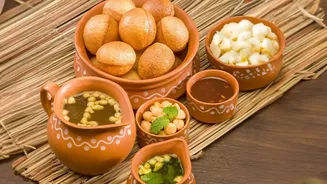
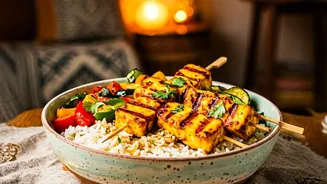
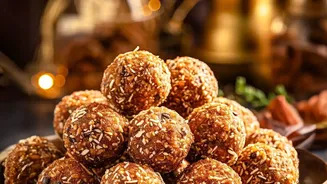
The heart of this new balance lies in the kitchen, where traditional recipes are being thoughtfully updated. Home cooks and chefs are leading the charge by making simple yet effective ingredient substitutions that don't compromise on flavour. Refined sugar is frequently being replaced with natural sweeteners like jaggery, dates, or honey, which have a lower glycemic index and offer added nutrients. Similarly, refined flour (maida) is giving way to whole grains and millets like ragi and jowar, which are rich in fibre and protein. Cooking methods are also evolving; instead of deep-frying, many now prefer to bake, air-fry, or steam snacks like samosas and chaklis, significantly reducing the oil content while retaining the beloved crunch.
The Art of Mindful Indulgence
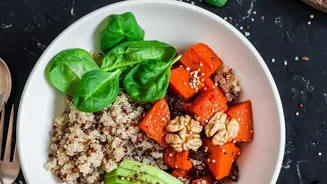
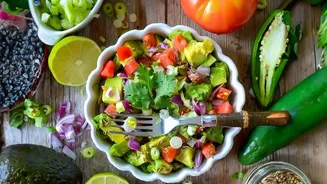
Finding a middle ground isn't just about what you eat, but how you eat it. The practice of mindful eating is gaining traction as a powerful tool for enjoying festive foods without overdoing it. This involves slowing down, savouring each bite, and paying attention to your body's hunger and fullness cues. Nutritionists suggest starting with a small, healthy snack like a piece of fruit or a bowl of yoghurt before heading to a party to prevent arriving ravenous and overeating. Another practical strategy is the 'plate method': filling half your plate with vegetables or salad, a quarter with protein like dal or paneer, and reserving the final quarter for grains and richer festive dishes. This ensures you get essential nutrients while still sampling the celebratory fare.
Portion Control, Not Prohibition
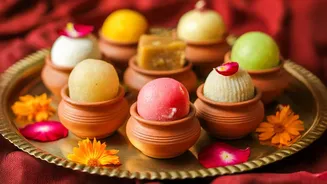
The fear of missing out on beloved festive dishes often leads to overindulgence. The modern, balanced approach champions portion control over outright prohibition. There's no need to completely avoid gulab jamun or crispy pakoras; the key is to enjoy them in smaller servings. Adopting an 80/20 mindset can be particularly effective: eating nutritious, balanced meals 80% of the time allows for 20% of festive treats without derailing your health goals. This flexible strategy fosters a healthier relationship with food, removing the cycle of restriction followed by overeating. It's about savouring a few special items rather than mindlessly tasting everything on offer.
Staying Balanced Beyond the Feast
A healthy festive season is also about what you do on the days surrounding the main celebrations. Planning for lighter, home-cooked meals before and after a big feast can help maintain equilibrium. Staying hydrated is equally crucial; sipping water, coconut water, or buttermilk can aid digestion, manage hunger, and flush out excess sodium from rich foods. Incorporating gentle physical activity, such as a daily walk, can also boost metabolism and energy levels. The goal is to avoid extreme compensatory behaviours like skipping meals or over-exercising the next day. Instead, simply returning to your regular routine is the most sustainable way to keep your body in balance.