




The Changing Indian Thali
The Indian plate is evolving. While traditional protein sources remain staples, a significant shift is underway, driven by a blend of health consciousness, environmental awareness, and sheer culinary curiosity. The Indian plant-based protein market is experiencing
remarkable growth, with projections showing its value could triple between 2025 and 2034. This boom isn't just about replacing meat; it's about diversifying the vegetarian diet itself. Consumers are looking for more than just subsistence; they want variety, better nutrition, and new textures. This demand has sparked a wave of innovation, bringing a host of new and rediscovered ingredients from the niche wellness space into mainstream meals.
The Mighty Pea Takes Root
Once confined to winter sabzis, the humble pea is now a protein powerhouse. Specifically, protein extracted from yellow split peas has become a dominant force in the market. It’s celebrated for being a 'complete' protein, containing all nine essential amino acids, and for being hypoallergenic and easy to digest. You'll find pea protein primarily as a powder, which blends seamlessly into smoothies, protein shakes, and even traditional preparations. Home cooks are discreetly adding a spoonful to dal, atta for rotis, or dosa batter for an invisible protein boost, making it a highly adaptable and family-friendly option. Numerous Indian brands now offer everything from pure pea protein isolate to flavoured blends for fitness enthusiasts.
Jackfruit: The Meaty Fruit
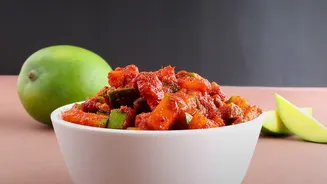
Raw jackfruit, or 'kathal', is no stranger to Indian cooking, having been used in sabzis and pickles for centuries. However, it has been globally rebranded as a star meat substitute, celebrated for its unique, fibrous texture that uncannily mimics pulled pork or shredded chicken when cooked. While not exceptionally high in protein itself, its strength lies in its ability to absorb marinades and spices, making it a fantastic, low-calorie base for flavourful dishes like kathal biryani, tacos, and mock-meat curries. This ancient fruit is now found in ready-to-eat packages and on the menus of trendy cafes, representing a perfect bridge between traditional ingredients and modern culinary trends.
Tempeh's Fermented Power
Move over, tofu. There’s a new soy contender in town: tempeh. Originating from Indonesia, tempeh is made from whole soybeans that are fermented and pressed into a dense, firm cake. This fermentation process makes it easier to digest and gives it a distinct nutty, earthy flavour. Unlike tofu, which can be soft and crumbly, tempeh holds its shape exceptionally well, making it perfect for grilling, pan-frying, and cubing for curries. A growing number of Indian startups are now producing fresh, preservative-free tempeh, with some even experimenting with chickpeas and other legumes. You can use it to make tempeh bhurji, slice it for sandwiches, or marinate it for skewers.
Seitan: The Rise of 'Wheat Meat'
Seitan, often called 'wheat meat', offers a surprisingly meaty chew that can be a game-changer for many. It's made from vital wheat gluten, the main protein in wheat. The process involves washing away the starch from wheat dough, leaving behind a dense, high-protein gluten mass that can be seasoned and cooked. While ready-made seitan products are less common in Indian stores, vital wheat gluten is increasingly available online, allowing home cooks to make their own. Its firm, versatile texture makes it an excellent substitute in dishes that traditionally call for chunks of meat, like stir-fries, curries, and kebabs.