

Re-evaluate Your Bed's Position
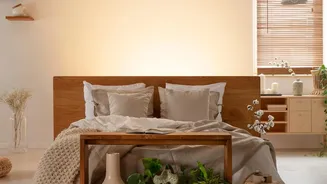
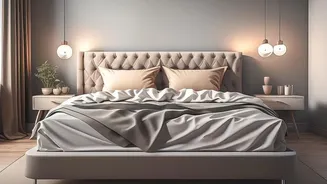
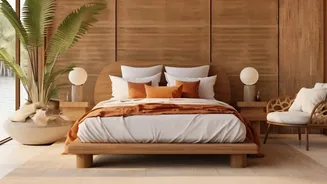
The bed is the largest piece of furniture, so its placement dictates the entire room's flow. The conventional approach is to centre it against the longest wall, which can create a pleasing sense of symmetry and order. However, in a very compact room,
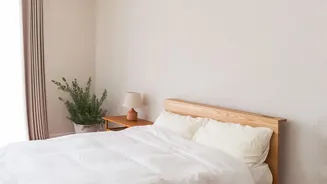
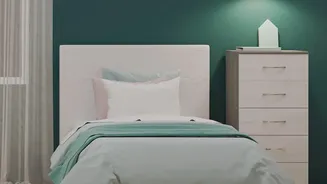
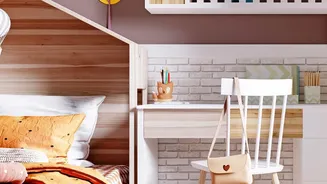
pushing the bed into a corner can free up a surprising amount of open floor space, making the room feel more expansive. While this might mean one person has to shuffle to get out of bed, the trade-off in usable space is often worth it, particularly in a single-occupancy or child's room. Consider which wall it's on; placing it on the longest wall often helps keep pathways clear.
Think Vertically, Not Horizontally
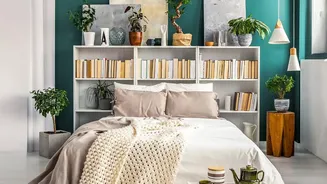
When floor space is at a premium, the only way to go is up. Many people overlook the storage potential of their walls. Swap a wide, low dresser for a tall, narrow chest of drawers that offers the same storage capacity but occupies a smaller footprint. Floating shelves are another game-changer. Install them above your bed, desk, or along an empty wall to hold books, plants, and decor without consuming any floor space. This trick draws the eye upward, creating an illusion of height and making the entire room feel more open and airy.
Rethink the Traditional Nightstand
Bulky bedside tables can eat up valuable real estate on either side of the bed. If you have a small room, consider smarter alternatives. Wall-mounted floating nightstands provide a surface for your essentials—a lamp, phone, and book—without touching the floor, creating a clean, uncluttered look. In even tighter spaces, a single floating shelf can do the job perfectly. Another option is to opt for slim, 'leggy' furniture that allows you to see the floor underneath, a simple visual trick that makes any room feel larger. You could even replace one nightstand entirely if space is exceptionally limited.
Embrace Multipurpose Furniture
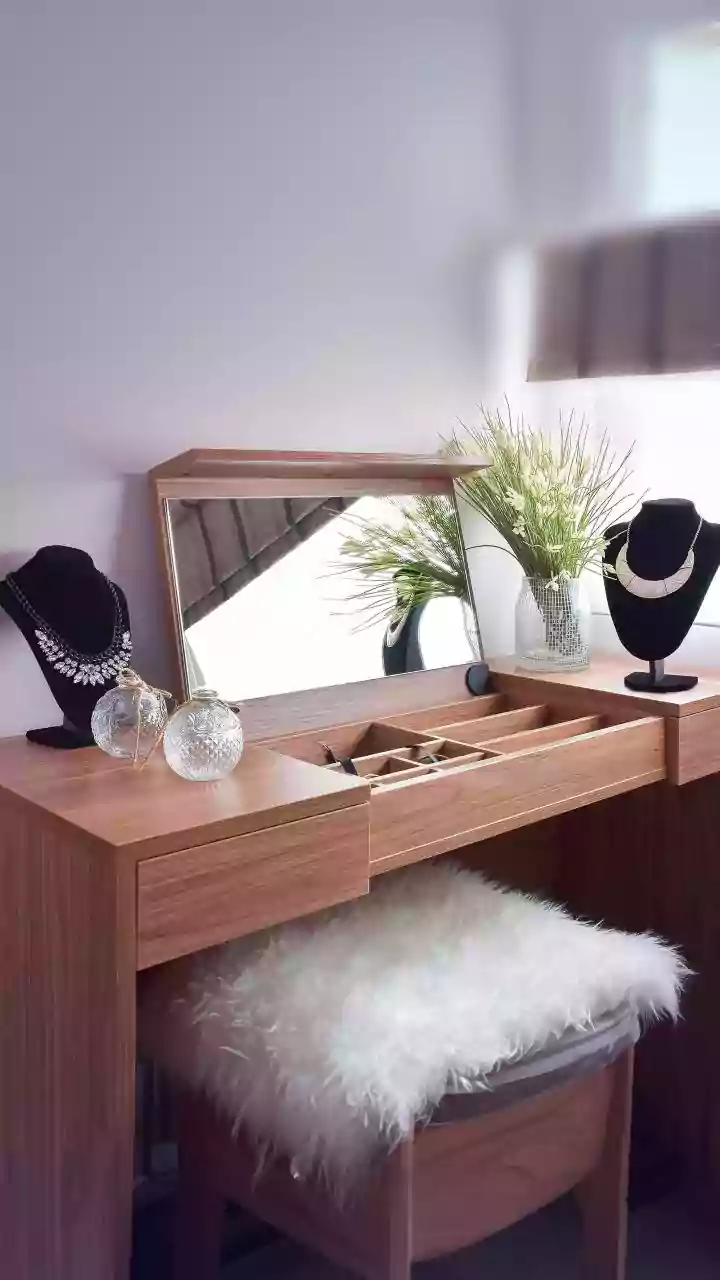
In a small bedroom, every piece should work hard. Multipurpose furniture is essential for maximizing functionality. A bed with built-in drawers or a hydraulic lift mechanism is perhaps the most valuable investment, as it can often replace a bulky dresser entirely, hiding away seasonal clothing and extra linens. An ottoman with hidden storage can serve as a seat, a footrest, and a place to stash blankets. A small desk can also function as a vanity table. These double-duty pieces reduce the total number of items in the room, which is key to preventing a cluttered feel.
Create and Maintain Clear Pathways
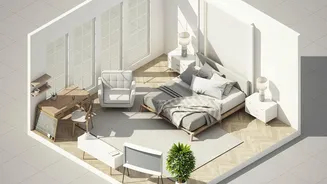
One of the most significant factors in how large a room feels is the ease with which you can move through it. A cluttered path from the door to the bed or closet can make a space feel instantly cramped and stressful. Before finalising a layout, walk through the main traffic routes. Can you get to your wardrobe without sidestepping a chair? Can you open your drawers fully? Arranging furniture against the walls and keeping the central area open is a simple but effective strategy. If you constantly bump into a piece of furniture, it's a clear sign that it needs to be moved or replaced with something more streamlined.
Use Mirrors and Light to Your Advantage
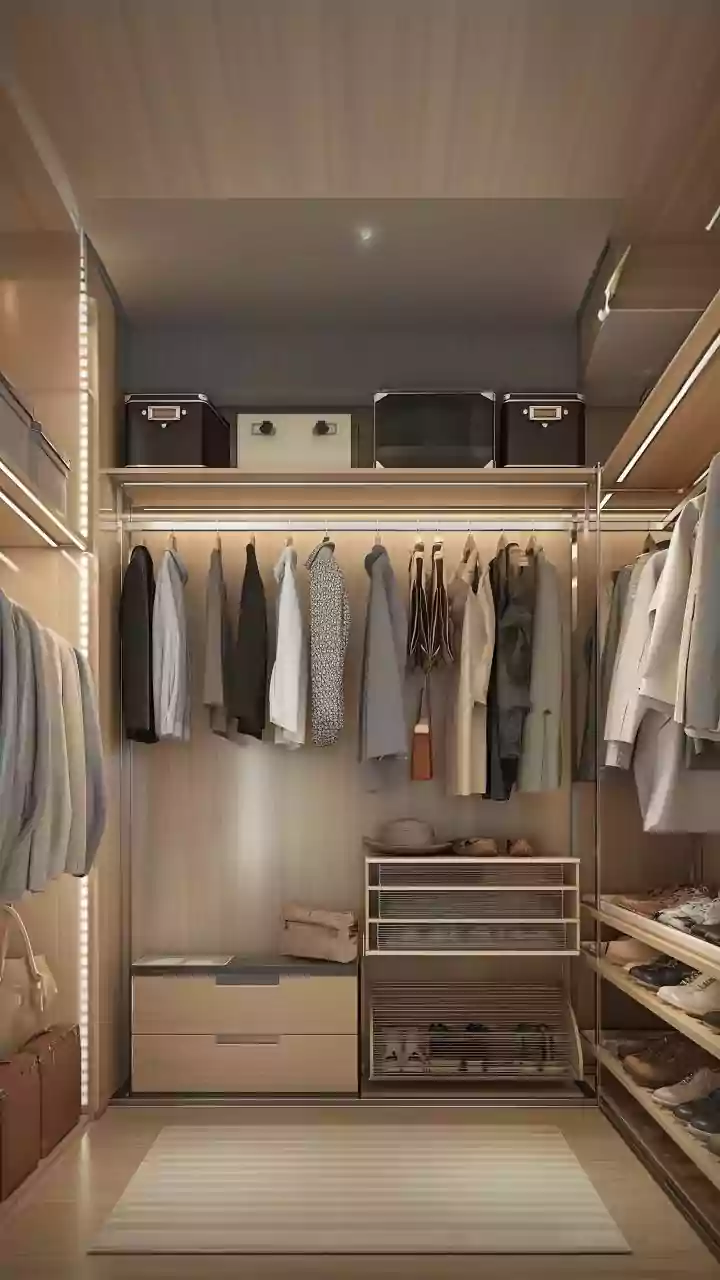
Mirrors are a classic trick for a reason: they work. A large mirror can visually double the size of a room by creating an illusion of depth. For maximum effect, place a mirror on a wall opposite a window to reflect natural light and brighten the entire space. Wardrobes with mirrored sliding doors are another excellent two-in-one solution, providing necessary storage while also making the room feel bigger. Layered lighting—combining overhead light with task lighting like a reading lamp and ambient light from a small table lamp—also helps to add warmth and dimension, preventing the room from feeling like a flat, small box.