
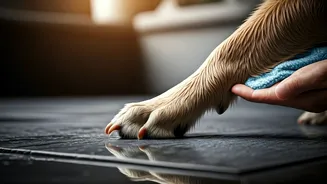


More Than Just Mud and Dirt
A walk exposes your dog’s paws to much more than just visible grime. Sidewalks, trails, and grassy parks can harbour a host of invisible threats. These include bacteria and parasites that can cause infections if ingested. During certain seasons, allergens
like pollen and mould cling to fur and paws, leading to irritation and excessive licking. Furthermore, urban and suburban environments present chemical risks from pesticides on lawns or de-icing salts on winter roads. These substances can cause skin irritation, dryness, or even poisoning if your dog licks them off. A quick clean helps remove these harmful materials before they can cause problems or get tracked into your home.
A Daily Health and Comfort Check
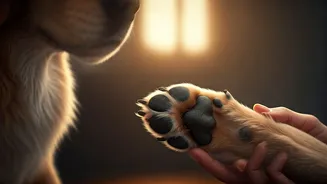
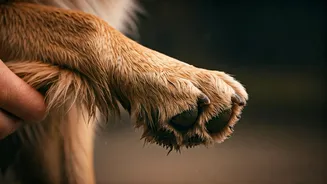
The act of cleaning your dog’s paws provides a perfect opportunity for a mini health inspection. As you wipe, you can check for any cuts, scrapes, thorns, or pebbles lodged between the paw pads. Caked-on mud can not only hide injuries but also cause discomfort by pulling on the fur between their toes. If left, moisture trapped by mud can create a breeding ground for fungus and bacteria, leading to painful infections. By making paw cleaning a daily habit, you can catch minor issues before they escalate into more serious problems, ensuring your dog stays comfortable and healthy. A dog that is excessively licking its paws after a walk is often trying to tell you that something is causing irritation.
Your Essential Paw Cleaning Toolkit
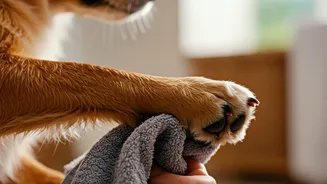
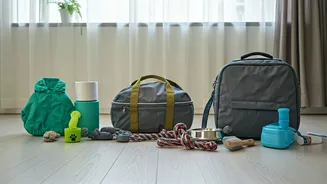
You don’t need a lot of complex gear to effectively clean your dog’s paws. Having a dedicated station by your entryway makes the process fast and easy. For light-duty cleaning, pet-safe grooming wipes are convenient and gentle. They are specially formulated to be pH-balanced for your dog’s skin. For muddier days, a simple microfibre towel and a basin of lukewarm water can work wonders. For a deeper clean, you can use a small amount of mild, dog-friendly shampoo, but be sure to rinse it off completely. Another popular option is a paw plunger or washer—a silicone-bristled cup that you fill with water to gently scrub the paw clean. No matter the tool, always have a dry, absorbent towel ready to thoroughly dry their paws afterward.
Finding the Right Cleaning Method
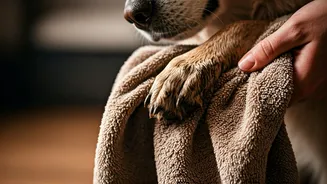
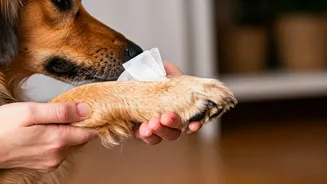
The best cleaning method depends on the mess. For a quick post-walk wipe on a dry day, a damp cloth or a pet wipe may be all you need. Focus on the bottom of the pads and the areas between the toes, where debris tends to hide. After a romp through a muddy field, a more thorough wash is in order. Using a paw plunger or a shallow basin with lukewarm water can effectively remove stubborn dirt. Gently dip each paw, swish it around, and use your fingers or a soft cloth to dislodge any remaining mud. Once clean, drying is a critical step. Damp paws can promote fungal growth, so pat each paw completely dry with a clean towel, paying special attention to the space between the pads.
Making Paw Cleaning a Positive Routine
Some dogs can be sensitive about having their paws handled. The key to success is to make paw cleaning a positive and predictable part of their day. Start by keeping the sessions short and be gentle. Use plenty of praise and offer a high-value treat immediately after you finish. This helps your dog associate paw cleaning with a pleasant reward. If your dog is particularly anxious, begin by simply touching their paws for a moment and rewarding them, gradually increasing the duration and introducing the cleaning tools over time. Consistency is crucial. When your dog knows to expect a quick, gentle wipe-down followed by a treat every time they come inside, it becomes a stress-free habit for both of you.