



Norway's coastline is a masterpiece of nature, dotted with thousands of islands. Among them, the Røst archipelago stands out as a haven for wildlife, especially its legendary seabird colonies, offering a perfect lens to explore the magic of the north.
The Røst Archipelago: A Seabird Kingdom
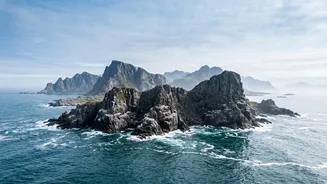
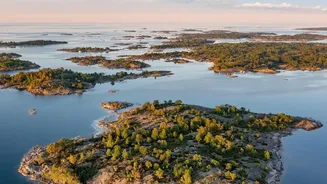
Located over 100 kilometres from the mainland, Røst is the outermost bastion of the Lofoten archipelago. Its landscape is strikingly different from the jagged peaks of its neighbours; the main island of Røstlandet is almost completely flat, a treeless expanse of moorland and wetlands. This remote outpost is, first and foremost, a kingdom of birds. Røst is home to one of Norway's largest seabird colonies, famous for its incredible puffin population. While numbers have declined from a historic high of 1.5 million pairs in the 1970s, the cliffs still host hundreds of thousands of these 'sea parrots' each summer. Boat tours take visitors along the bird cliffs of islands like Vedøya and Hernyken, where puffins, kittiwakes, guillemots, and majestic white-tailed eagles create a cacophony of life. It’s a place where nature operates on a grand scale, shaped by the sea and the seasonal rhythms of its avian residents.
The Lofoten Islands: Dramatic Peaks and Fishing Villages
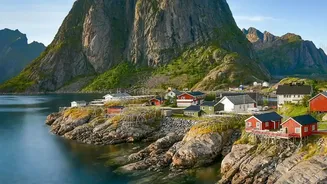
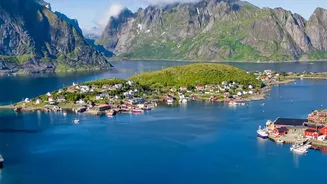
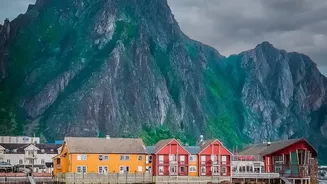
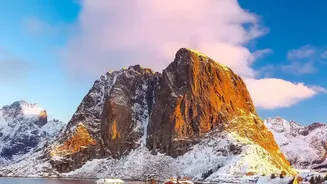
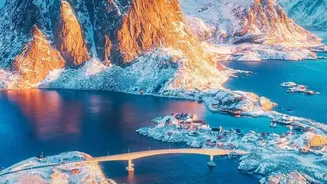
If Røst is defined by its flatness and bird colonies, the rest of the Lofoten Islands are defined by raw, vertical drama. This iconic archipelago is a chain of islands where mountains with knife-edge ridges rise directly from the sea. Lofoten is a photographer’s dream, dotted with picturesque fishing villages like Reine, Hamnøy, and Henningsvær, where traditional red fishermen's cabins (rorbuer) stand on stilts over the water. The islands are a hub for outdoor adventure, offering world-class hiking on trails like Reinebringen and Ryten, Arctic surfing at Unstad Beach, and kayaking through serene fjords. During winter, the landscape is blanketed in snow, providing a stunning backdrop for chasing the Northern Lights. It is the quintessential Norwegian coastal experience, blending stark beauty with a rich fishing heritage.
Senja: Norway in Miniature
Often called 'Norway in a Nutshell', Senja is the country's second-largest island and packs an astonishing variety of landscapes into one place. Its outer coast is wild and dramatic, with jagged peaks like Segla—often called the 'Devil's Jaw'—plunging into the ocean. This side of the island offers breathtaking drives along a National Scenic Route, connecting viewpoints and rugged coastlines. In contrast, the island’s interior is gentle, with rolling hills, pine forests, and quiet farmland. Senja is less crowded than Lofoten, offering a more rugged and off-the-beaten-path feel. It’s a destination for hikers, wildlife watchers hoping to spot sea eagles and moose, and anyone looking to experience the full spectrum of Norwegian nature, from serene beaches to formidable mountains.
The Vega Archipelago: A Cultural Landscape
Just south of the Arctic Circle lies the Vega Archipelago, a cluster of over 6,500 islands, islets, and skerries. This destination is unique not just for its natural beauty, but for its cultural heritage, which earned it a place on the UNESCO World Heritage list. For over 1,500 years, the islanders have maintained a remarkable symbiotic relationship with wild eider ducks. The locals build small shelters to protect the nesting ducks from predators. After the ducklings hatch and leave, the islanders collect the incredibly soft and valuable eiderdown left in the nests to make some of the world's finest duvets. Visiting Vega offers a glimpse into a sustainable way of life that has endured for centuries, set against a backdrop of low-lying, lush islands perfect for kayaking and cycling.
Svalbard: The High Arctic Wilderness
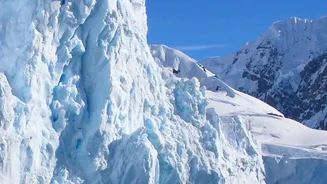
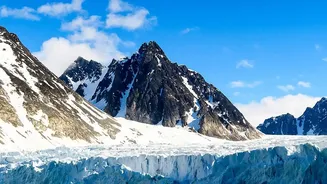
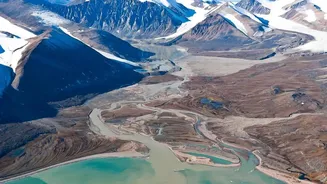
For the ultimate island adventure, nothing compares to Svalbard. This archipelago lies halfway between mainland Norway and the North Pole, a realm of ice and raw, untamed wilderness. Roughly 60% of Svalbard is covered by glaciers, and the landscape is a starkly beautiful mix of towering mountains, vast tundra, and icy fjords. This is one of the best places on Earth to see polar bears in their natural habitat, with a population that outnumbers the human residents. Wildlife is the main draw, with opportunities to see walruses, Svalbard reindeer, Arctic foxes, and immense colonies of seabirds. It's a destination for expedition cruises, where you can explore by zodiac, hike on the tundra, and witness the profound silence of the High Arctic. Svalbard is not just an island trip; it’s an expedition to the top of the world.