





Understanding the Monsoon Moisture Challenge
During the rainy season, outdoor humidity levels in many parts of India can soar above 80%. This moisture doesn't stay outside; it seeps into our homes, making the air feel heavy and sticky. When homes remain closed to keep rain out, this humid air gets
trapped. This creates the perfect breeding ground for mould and mildew, which appear as unsightly patches on walls and furniture, produce a persistent musty smell, and can trigger allergies and respiratory issues. Beyond health concerns, this dampness can damage wooden furniture, warp door frames, and ruin clothes and electronics. Proactive moisture control is not just about comfort, but about protecting your home and health.
Mastering the Art of Strategic Ventilation
Ventilation is your first line of defence, but it must be done smartly. The goal is to replace stale, moist indoor air with fresher air without letting in more dampness. The most effective method is cross-ventilation. By opening windows and doors on opposite sides of a room or house, you create a natural pathway for air to flow through, pushing out humidity. The best time to do this is during drier spells, often in the mornings or when the rain subsides. Even a short period of good airflow is better than none. Also, use your exhaust fans religiously. Run them in the kitchen while cooking and in the bathroom after a shower to expel moisture at its source before it can spread through your home.
Actively Removing Indoor Humidity
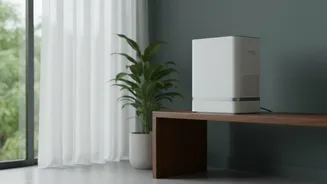
When ventilation isn't enough, you need to actively pull moisture from the air. An electric dehumidifier is the most powerful tool for this, especially in persistently damp spaces like basements, ground-floor rooms, or coastal homes. These appliances draw in moist air, extract the water, and release drier air back into the room. For a dual benefit, many air conditioners have a 'dry' or 'dehumidifier' mode that effectively removes moisture while cooling. When using an AC, this mode is often more energy-efficient for humidity control than just lowering the temperature. For enclosed spaces like wardrobes and cabinets, moisture absorbers containing silica gel or calcium chloride can be very effective at protecting clothes and valuables.
Protecting Furniture, Wardrobes, and Walls
Dampness silently attacks your belongings. To safeguard them, pull large furniture like cupboards and sofas a few inches away from walls. This small gap allows air to circulate behind them, preventing moisture from getting trapped and mould from growing unnoticed. Inside wardrobes, avoid packing clothes too tightly and consider using moisture-absorbing products. Never store clothes that are even slightly damp. For your walls, check regularly for early signs of damp patches or leaks, especially around windows and pipes. Addressing a small leak immediately is far easier than dealing with widespread mould and peeling paint later.
Simple Habits for a Fresher Home
Small, consistent actions make a big difference. Roll up and store porous items like thick carpets and rugs, as they can absorb a lot of moisture and become a source of musty smells. If you dry laundry indoors, do so in a well-ventilated area or a balcony, rather than a closed room, to prevent adding excessive moisture to your indoor environment. Natural materials can also offer some help; neem leaves boiled in water can be used as a natural antifungal spray on mould-prone areas. While not a substitute for proper ventilation or dehumidification, these habits contribute to an overall drier and more pleasant living space throughout the monsoon.