






A Season of Devotion
For many, the monsoon is deeply intertwined with religious observance. This period hosts some of the most significant fasting occasions in the Hindu calendar. The month of Shravan, or Sawan, is dedicated to Lord Shiva, with many devotees observing fasts
on Mondays (Shravan Somvar) or for the entire month. This often involves abstaining from non-vegetarian food, alcohol, and sometimes even salt on specific days. Following Shravan comes the beginning of Chaturmas, a holy four-month period when deities are believed to be resting. Traditionally, this is a time for ascetics to stay in one place and for householders to practice heightened spiritual discipline, which includes a more restricted (or ‘sattvic’) diet. These practices are not just about abstinence; they are viewed as a way to cleanse the body, sharpen the mind, and deepen one’s spiritual connection during a time of natural renewal.
The Ayurvedic Blueprint for Rain
Ancient Indian wisdom, particularly Ayurveda, provides a compelling health-based rationale for this seasonal discipline. The monsoon season, or 'Varsha Ritu', is considered a time when the body's digestive fire, or 'Agni', is naturally at its weakest. The high humidity and overcast skies are believed to dampen our metabolic processes. Simultaneously, the 'Vata dosha' (the energy associated with air and space) becomes aggravated, potentially leading to issues like indigestion, bloating, and joint pain. Ayurvedic principles, therefore, recommend a diet that is light, warm, and easy to digest. Fasting, or eating lighter meals, gives the digestive system a much-needed rest, preventing the build-up of toxins ('ama'). The traditional injunction against leafy green vegetables, for instance, stems from the fact that they are harder to digest and more likely to harbour worms and microbes during this damp season.
A Practical Health Perspective
Modern science offers corroboration for this ancient dietary advice. The monsoon is a peak breeding season for bacteria, fungi, and other pathogens. Water-borne diseases are a significant concern, and leafy greens or vegetables grown close to the sodden ground can be carriers of infection if not cleaned and cooked thoroughly. The traditional practice of avoiding such foods, or cooking them extensively, acts as a practical safeguard against illness. Furthermore, with reduced sun exposure and physical activity, our metabolism can slow down. A diet heavy in rich, oily, or non-vegetarian food can feel taxing on the system. The shift towards lighter grains, fruits, and dairy products aligns with the body's diminished capacity for digestion, promoting overall well-being and strengthening immunity when it's most vulnerable.
The Fasting Plate: What to Eat
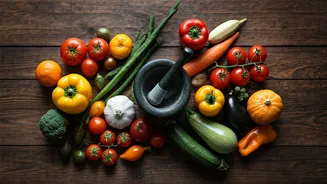
The diet during these monsoon fasts is far from deprivation; it is a carefully curated menu of nourishing foods. The focus shifts to ingredients that are both light and energy-giving. Grains like amaranth (rajgira), buckwheat (kuttu), and barnyard millet (samak ke chawal) become staples. Sabudana (tapioca pearls), a pure starch, is another favourite, often prepared as khichdi or vadas. Rock salt (sendha namak) replaces regular table salt as it's considered purer and is less processed. Root vegetables like potatoes, sweet potatoes, and yams are preferred over other vegetables. Fruits and dairy products like milk, yogurt, and paneer are also widely consumed, providing essential nutrients. This 'vrat ka khana' is designed to be sattvic—pure, simple, and calming for both the body and the mind, perfectly complementing the season's introspective mood.