




In the modern search for wellness, many are discovering that the path to health isn't a new fad diet, but an ancient principle of eating. The traditional Indian thali is re-emerging as a powerhouse of nutrition, perfectly suited for today's diner.
A Return to Ancient Wisdom
As urban
Indians become increasingly health-conscious, there's a noticeable shift away from processed foods and towards holistic, traditional ways of eating. This quest for wellness isn't about adopting foreign trends but rediscovering the 'nutritional intelligence' embedded in our own culinary heritage. The Indian thali, long a staple in households, is now being celebrated by a new generation for what it has always been: a complete and balanced system of nourishment. This isn't just about nostalgia; it’s a recognition that this ancient meal format aligns perfectly with modern scientific principles of a healthy diet, offering a sustainable alternative to restrictive, single-nutrient-focused plans.
The Science of a Complete Meal
At its core, a thali is a masterclass in balanced macronutrients. It is engineered to deliver everything your body needs on a single platter. The meal typically includes a foundation of carbohydrates like rice or roti for sustained energy. This is paired with a protein source, most often dal (lentils) or legumes, which are crucial for muscle repair and growth. The combination of grains and lentils is particularly ingenious; together, they form a 'complete protein', providing all the essential amino acids. Seasonal vegetables, or 'sabzi', contribute essential vitamins, minerals, and fibre, which aids digestion and boosts immunity. Finally, a small amount of healthy fat, often from ghee or the tempering ('tadka') in dals, helps the body absorb fat-soluble vitamins.
Ayurveda’s Blueprint for Satiety
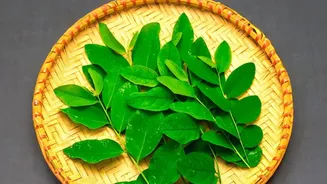
The genius of the thali goes beyond just macros; it is deeply rooted in Ayurvedic principles, particularly the concept of 'Shad Rasa' or the six tastes. According to Ayurveda, a complete meal should contain all six tastes: sweet (madhura), sour (amla), salty (lavana), pungent (katu), bitter (tikta), and astringent (kashaya). Each taste has a specific physiological function, from building tissues to detoxifying the blood. A thali naturally incorporates these tastes. For instance, rice and roti provide the sweet taste; yogurt or a squeeze of lemon offers sourness; pickles add a salty and pungent kick; leafy greens or fenugreek can provide bitterness; and lentils contribute an astringent quality. This diversity of tastes not only keeps the palate engaged but also promotes a feeling of deep satisfaction, which helps prevent cravings and overeating.
In-Built Portion Control and Mindful Eating
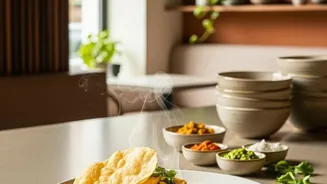
One of the thali's most practical benefits for health-conscious diners is its built_in mechanism for portion control. The meal is traditionally served on a large platter with a selection of dishes in small bowls called 'katoris'. This design naturally limits the portion sizes of the richer, denser curries and side dishes while allowing for a larger serving of the staple grain. This visual variety encourages diners to eat more slowly, savouring each component. The assortment of flavours and textures—from creamy dal to crunchy papad and tangy pickle—creates a multi_sensory experience that enhances mindful eating. By offering a little bit of everything, the thali satisfies the mind as much as the stomach, reducing the impulse to seek out more food after the meal is over.
A Celebration of Regional Diversity
The appeal of the thali also lies in its incredible diversity, reflecting India's vast culinary landscape. Each region has its own version, based on local produce, climate, and cultural traditions. A Punjabi thali might feature rich dishes like chole and paneer with fluffy naans, while a South Indian 'Sadya' served on a plantain leaf offers a different spectrum of flavours with items like sambar, avial, and rice. A Gujarati thali is known for its delicate balance of sweet and savoury notes, often including dhokla and sweet dal. For the modern diner, this means that embracing the thali is not a monotonous diet but an endless journey of discovery, offering a healthy, complete, and culturally rich meal no matter where you are in the country.