

Thinking Beyond 'Earth-Like'
For decades, the search for extraterrestrial life has focused on finding Earth’s twin: a rocky planet of similar size, orbiting a Sun-like star at just the right distance for liquid water to exist. This region is famously known as the 'Goldilocks Zone'
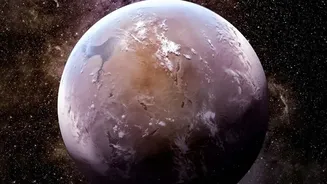
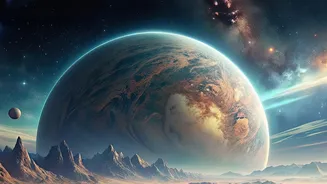
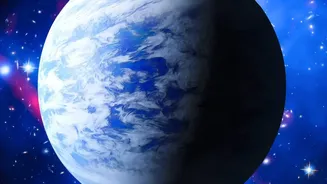
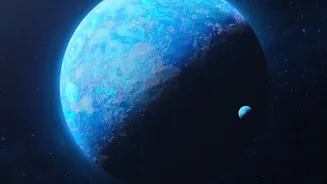
— not too hot, not too cold. But in 2014, scientists René Heller and John Armstrong challenged this thinking. They argued that focusing only on Earth-like conditions is an assumption based on our own existence. They proposed a new concept: 'superhabitable' worlds. These are hypothetical planets that could offer conditions even more suitable for the emergence and evolution of life than Earth does. The idea is to shift from a human-centric view to a biocentric one, looking for planets with the potential for greater biodiversity and biomass.
The Problem with Our Sun
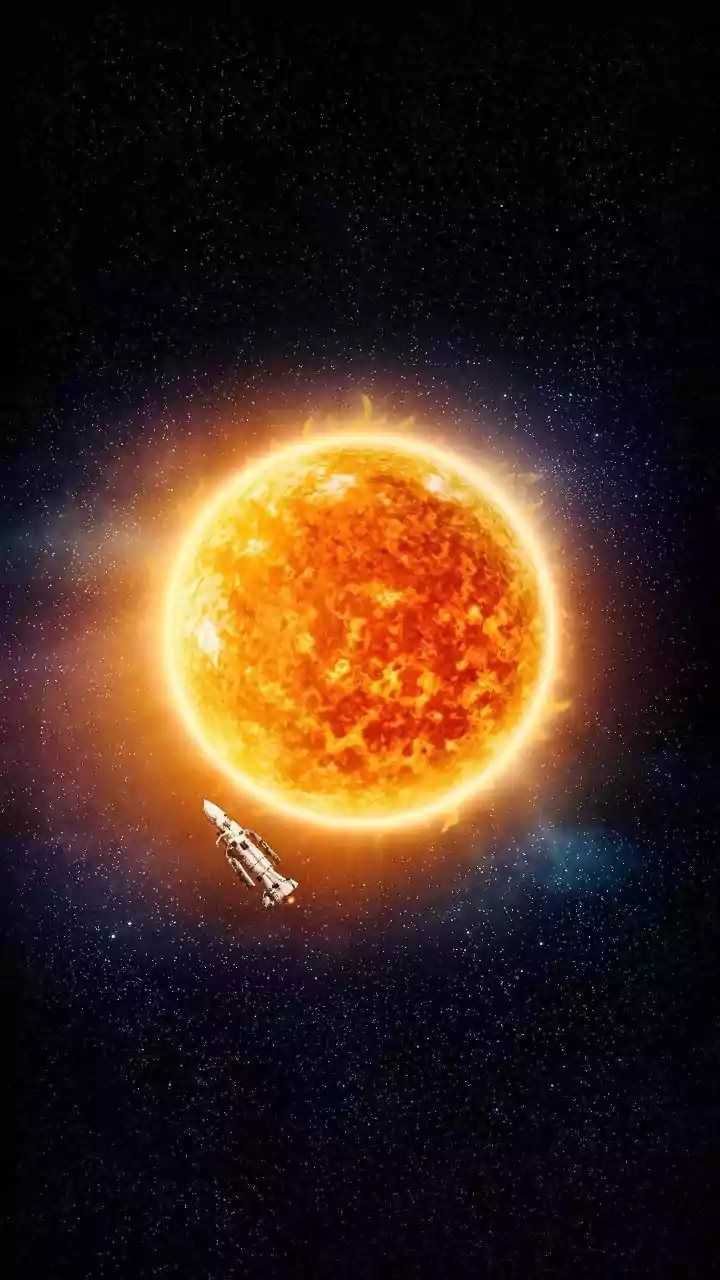
While our Sun has successfully nurtured life for nearly 4 billion years, it isn’t perfect. As a G-type star, it has a total lifespan of about 10 billion years. Considering it took roughly 4 billion years for complex, multicellular organisms to evolve on Earth, that timeline is relatively tight. In another billion years or so, the Sun will grow brighter and hotter, eventually expanding and boiling away Earth's oceans, rendering our planet uninhabitable. This gives complex life a limited window to exist. Furthermore, Sun-like stars are relatively rare compared to other types in our galaxy. This has led astronomers to wonder if a different kind of star might provide a longer, more stable stage for life's grand drama to unfold.
The Ideal Host: K-Dwarf Stars
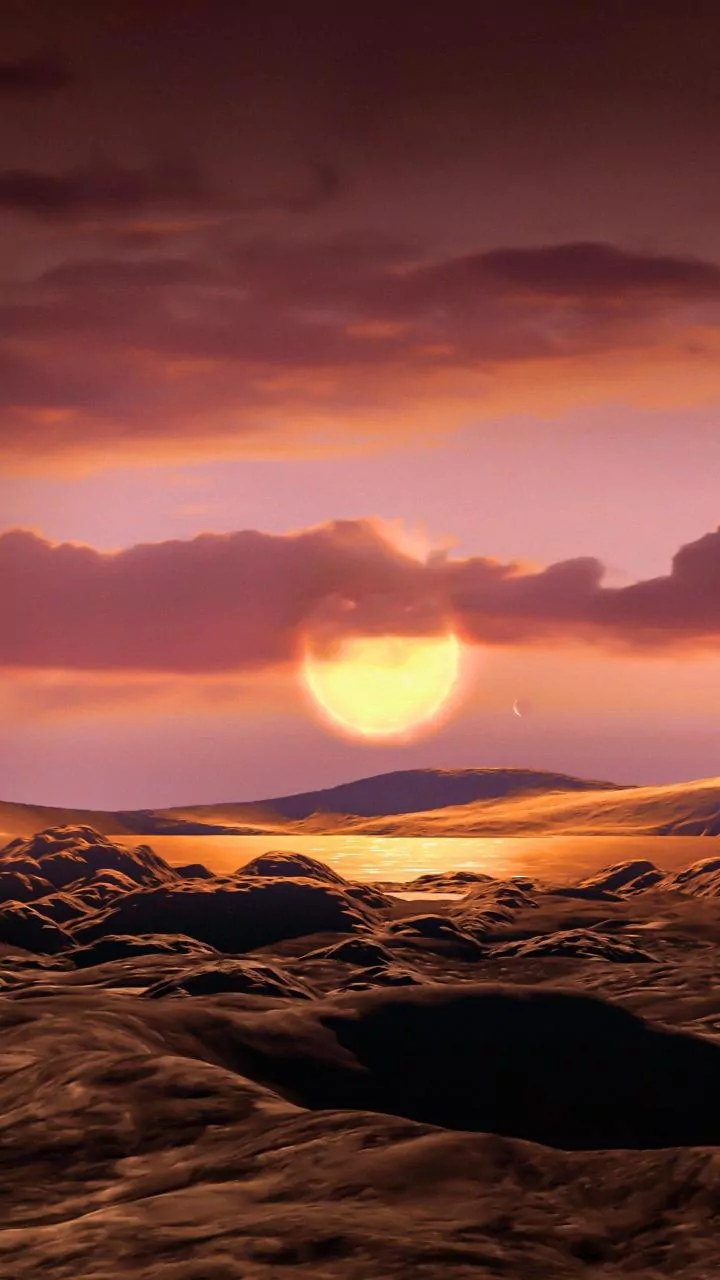
The leading candidates for hosting these superhabitable worlds are K-type main-sequence stars, also known as orange dwarfs. These stars are the 'sweet spot' between the hotter, shorter-lived G-type stars like our Sun and the cooler, more volatile M-type red dwarfs. The most significant advantage of K-dwarfs is their incredible longevity. They burn their fuel much more slowly than the Sun, allowing them to remain stable for 15 to 45 billion years. This vast timescale would give life an enormous period to emerge, evolve, and recover from any planetary-scale extinction events. A longer, more stable environment increases the probability of developing complex and diverse biospheres.
A Kinder, Gentler Star
Beyond a long life, K-dwarfs offer a more tranquil environment. The most common stars in the galaxy, M-type red dwarfs, have even longer lifespans but are notoriously violent. They frequently erupt with powerful stellar flares that can strip the atmosphere from any closely orbiting planets. Because red dwarfs are dim, a planet must orbit very close to stay warm, often resulting in it becoming tidally locked, with one side perpetually facing the star in searing heat and the other frozen in darkness. K-dwarfs, on the other hand, are significantly less active and emit less harmful X-ray and extreme ultraviolet radiation than both Sun-like stars and red dwarfs. Their habitable zones are far enough out to allow planets to rotate freely, developing stable day-night cycles and climates, making them far more promising hosts for life.
Characteristics of a Super-Earth
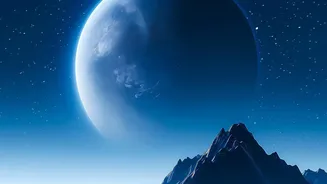
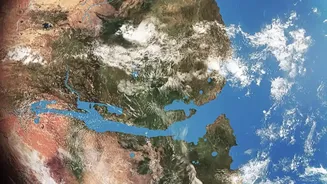
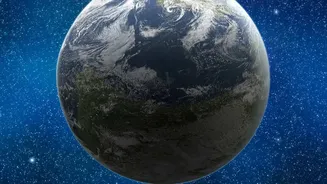
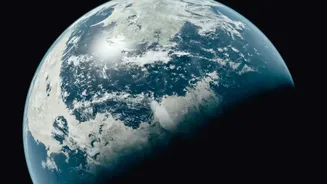
The star is only half the story. A superhabitable planet would likely be slightly older, larger, and warmer than Earth. A world about twice Earth’s mass and 20-30% wider could retain a thicker atmosphere, offering better protection from cosmic radiation. Its stronger gravity could create a flatter topography with more shallow seas and archipelago-like continents, which on Earth boast incredible biodiversity. These characteristics, combined with orbiting a stable, long-lived K-dwarf star, create the theoretical blueprint for a world not just capable of supporting life, but doing so more robustly and for a much longer time than our own home has been able to.