




Follow the Sun: A Balcony Light Guide
Before you buy a single plant, become a sun detective. The amount and intensity of sunlight your balcony receives is the single most important factor for a thriving garden. Observe the light patterns throughout the day to understand what you're working
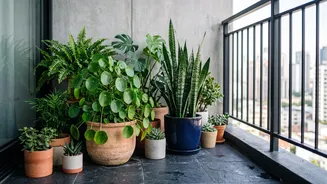
with. A south-facing balcony often gets strong, direct sun for six or more hours, making it perfect for sun-worshipping flowering plants like hibiscus, bougainvillea, and marigolds. East-facing balconies receive gentler morning sun, which is ideal for many herbs and leafy greens. West-facing balconies get the intense afternoon heat, while north-facing ones receive the least direct light, making them suitable for shade-loving plants like money plants, ferns, and snake plants. Understanding your balcony's specific orientation and light duration will guide every plant choice you make.
The Golden Rules of Watering
The most common mistake for new plant parents is not knowing when to water. Forget rigid schedules like 'water every two days'. Instead, learn to listen to your plants. The best method is the finger test: stick your finger about an inch into the soil. If it feels dry, it's time to water. If it's damp, wait another day. Container plants on balconies can dry out faster due to wind and heat, especially during Indian summers, so you may need to check them daily. The best time to water is in the early morning before the sun gets too intense, allowing the roots to absorb moisture with minimal evaporation. Evening watering is another option, but ensure the leaves have time to dry before nightfall to prevent fungal diseases.
Special Care for Monsoon Season
The rainy season brings its own set of challenges. While the rain provides natural irrigation, the constant dampness and high humidity can be harmful. Overwatering is a major risk, so always check the soil moisture even when it's raining. Ensure every pot has clear drainage holes at the bottom to prevent waterlogging, which leads to root rot. It's a good idea to elevate your pots on stands or bricks to allow excess water to drain away freely. For more delicate plants like succulents, consider moving them to a covered part of the balcony to protect them from torrential downpours. Increased humidity also creates a breeding ground for pests, so a preventative spray of neem oil solution can be very effective.
Choosing Your Green Companions
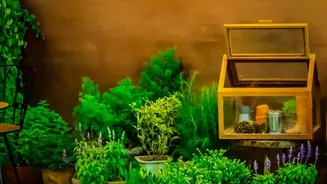
Now for the fun part: selecting your plants. Start small with a few low-maintenance options to build your confidence. For sunny balconies, marigolds, tulsi (holy basil), and chilli plants are excellent choices that thrive in Indian climates. If you have a kitchen garden in mind, tomatoes, mint, and curry leaves are rewarding and relatively easy to grow in containers. For shadier spots, you can't go wrong with the resilient snake plant, the fast-growing money plant, or the elegant areca palm, all of which are known for their air-purifying qualities. Choosing plants suited to your balcony's light conditions is the key to success.
Soil, Pots, and a Little Extra Love
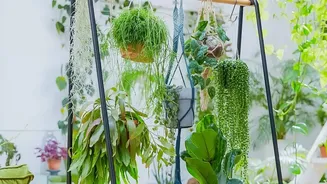
Great plants start with great soil. Don't use heavy garden soil, which compacts easily in pots. Instead, opt for a light, well-draining potting mix, often a combination of soil, coco peat, and compost, to provide both aeration and nutrition. The right pot is also important; ensure it has drainage holes. While traditional terracotta pots are great, they also dry out quickly. Plastic or ceramic pots retain moisture longer. If space is tight, think vertically. Use wall-mounted planters, railing baskets, or tiered stands to maximize your growing area and create a lush green wall effect. A little organic fertilizer every few weeks during the growing season will keep your green friends happy and productive.