


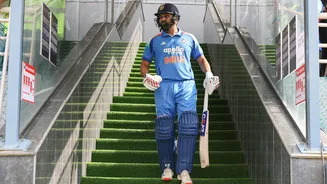
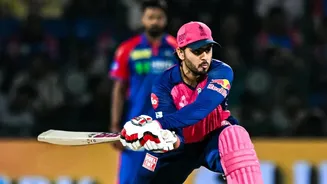
What the BCCI Vice President Said
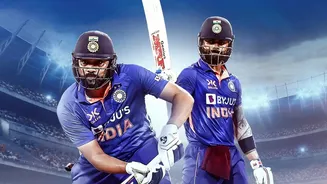
In a recent interview, BCCI Vice President Rajeev Shukla offered a vote of confidence in India's veteran batsmen. When asked about their participation in the 2027 ODI World Cup, Shukla expressed optimism, stating, “I feel Rohit and Kohli still have a lot
of cricket left in them.” However, he was quick to clarify that the ultimate decision rests with the national selectors. This statement is significant as it comes from a senior figure within the board, suggesting that the door is far from closed on the two stars. While it's not a guarantee of selection, it indicates that their immense experience is still highly valued within the administration and that age alone will not be the deciding factor.
The Unavoidable Age Factor
By the time the 2027 World Cup rolls around in South Africa, Namibia, and Zimbabwe, age will be a critical talking point. Rohit Sharma, born in April 1987, will have just turned 40. Virat Kohli, born in November 1988, will be 38. Playing a demanding, multi-week tournament at that age is a monumental task that requires supreme fitness. Both players have already retired from T20I and Test cricket to manage their workloads, focusing solely on the ODI format. While their fitness has been exceptional, maintaining world-class reflexes, speed between the wickets, and fielding agility for another three years will be their biggest challenge. Cricket history has examples of players succeeding in their late 30s, but it remains the exception rather than the rule in the modern, power-driven game.
Form and Fitness: The Ultimate Currency
Shukla's backing and past reputations will count for little if form and fitness desert the two champions. In the world of elite sport, performance is the only currency that matters. As things stand, both continue to be pivotal to India's ODI setup. Kohli's form has been described as breathtaking, making him a natural fit at his customary number three position. Sharma's recent form has been more inconsistent, but his ability to win matches single-handedly—the quality that earned him the 'Hitman' moniker—keeps him firmly in the conversation. The selectors' decision in 2027 will not be based on their legendary careers, but on their runs and fitness in the 12-18 months leading up to the tournament. Sustained performance will be non-negotiable.
The Next Generation and Team Balance
Indian cricket is blessed with a rich pipeline of talent. The emergence of younger batsmen like Shubman Gill and Yashasvi Jaiswal, who are seen as natural successors, creates a healthy selection dilemma. The team management must balance the invaluable experience of Kohli and Rohit against the youthful energy and long-term potential of the next generation. Building a team for a World Cup is a four-year cycle. The selectors will have to decide whether to invest in players who can serve India for years to come or to rely on the seasoned veterans for one last campaign. This strategic call—blending experience with youth—will be at the heart of the selection debate as the tournament approaches.
Will They Want to Play?
Beyond the selectors and the BCCI, the final decision may rest with the players themselves. Having achieved nearly everything in the sport, their motivation to endure the rigours of international cricket until 2027 is a personal question only they can answer. Reports have suggested that Rohit sees the 2027 World Cup as a major goal. Both have dedicated their careers to the Indian team, and the lure of one more shot at ODI glory is a powerful motivator. However, the physical and mental toll of playing at the highest level for over two decades is immense. Their personal desire to compete, coupled with their ability to meet the team's standards, will ultimately determine if they make themselves available for selection.