




Snake Plant: The Unkillable Companion
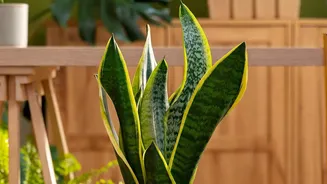
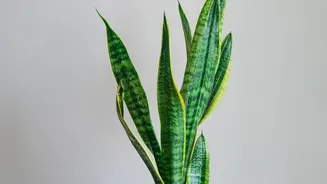
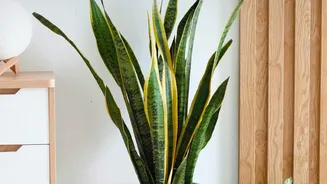
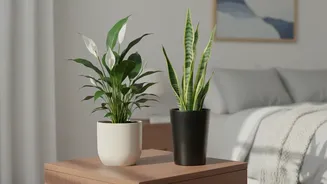
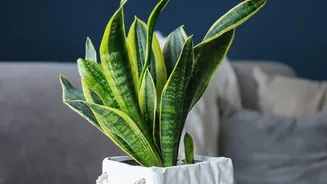
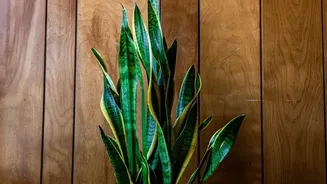
The Snake Plant (Dracaena trifasciata) has earned its reputation as one of the hardiest houseplants available, making it a perfect choice for beginners or busy individuals. Its stiff, architectural leaves grow vertically, ensuring it has a small footprint
that fits perfectly on a crowded nightstand. Snake Plants are incredibly resilient and thrive on neglect; they tolerate low light and infrequent watering. In fact, the most common mistake is overwatering. It’s best to let the soil dry out completely between waterings, which might mean watering only every two to three weeks, or even less in winter. This plant is also famous for its ability to produce oxygen at night, which is unique among houseplants and makes it an ideal bedroom companion.
Peace Lily: The Dramatic Communicator
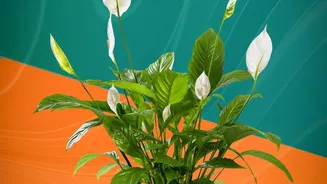
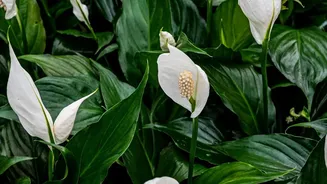
The Peace Lily (Spathiphyllum) offers lush, glossy dark green leaves and elegant white blooms that look like flags of truce. It's an excellent choice for bedrooms as it prefers bright, indirect light, similar to the conditions near an east-facing window, but can tolerate lower light levels. While it prefers consistently moist soil, the Peace Lily is wonderfully communicative; its leaves will dramatically droop to let you know it's thirsty, then perk right back up after a good drink. This visual cue takes the guesswork out of watering. Peace Lilies also enjoy humidity, so they appreciate an occasional misting. For best results, use room-temperature water that has been left out to allow chlorine to evaporate, as they can be sensitive to chemicals.
ZZ Plant: The Resilient Gem
If you're looking for a plant that is both stylish and incredibly low-maintenance, the ZZ Plant (Zamioculcas zamiifolia) is a top contender. With its wide, dark green, glossy leaves, it adds a touch of modern elegance to any space. The ZZ Plant is famously drought-tolerant thanks to its large underground rhizomes that store water, meaning it can go for weeks without a drink. Like the Snake Plant, it is prone to root rot from overwatering, so it is crucial to let the soil dry out. It is highly adaptable to different light conditions, thriving in low to bright indirect light, making it suitable for almost any bedroom corner. Its resilience and minimal care requirements make it an almost foolproof choice for any plant owner.
Golden Pothos: The Cascading Vine
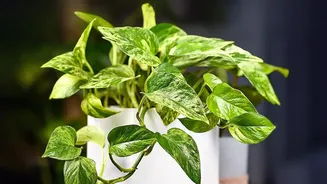
The Golden Pothos (Epipremnum aureum) is a cheerful and forgiving plant, known for its heart-shaped green leaves variegated with yellow. It's a trailing vine, perfect for placing on a shelf or the edge of a nightstand where its vines can cascade downwards. Pothos is very easy to care for, thriving in a range of lighting conditions from low to bright, indirect light. Direct sun can scorch its leaves. It’s best to water it when the top inch or two of soil becomes dry. This fast-growing plant is not only beautiful but also very easy to propagate; simply snip a piece of vine and place it in water to grow new roots, allowing you to easily share your plant with friends.
A Note on Air Purification
Many of these plants became famous for their air-purifying abilities following a 1989 NASA study. The study showed that certain plants could remove common household toxins like formaldehyde and benzene from the air in a small, sealed chamber. However, it's important to have realistic expectations. Recent analysis suggests that in a typical home with normal ventilation, you would need a very large number of plants—perhaps hundreds—to significantly impact air quality. While your nightstand plant is a wonderful addition to your room's ecosystem, think of it as a small contributor to a healthier environment rather than a replacement for a mechanical air purifier or good ventilation.