






A New Space Age for India
The game-changer is the Indian Space Policy 2023. For decades, India's space programme was the near-exclusive domain of the Indian Space Research Organisation (ISRO). This new policy marks a paradigm shift, actively encouraging private companies to participate
in every facet of the space economy. The government has established bodies like the Indian National Space Promotion and Authorisation Centre (IN-SPACe) to act as a single-window agency, streamlining regulations and facilitating collaboration between ISRO and the burgeoning private sector. This move is designed to boost domestic manufacturing, attract investment, and transform India into a global space powerhouse, with projections suggesting the national space economy could soar to over $40 billion by the next decade.
Building the Rockets: The Launch Vehicle Boom
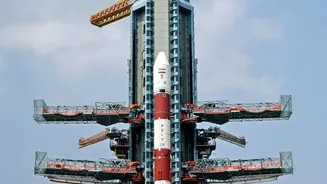
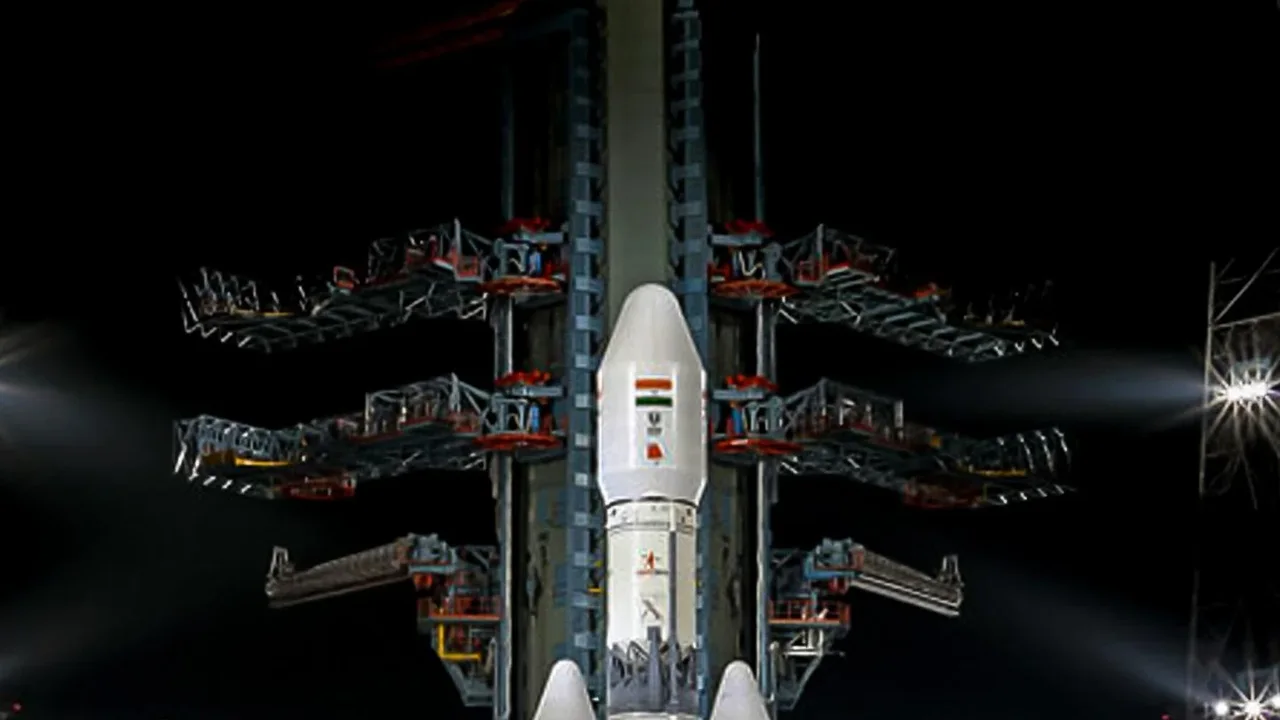
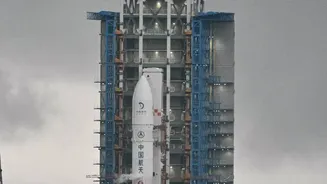
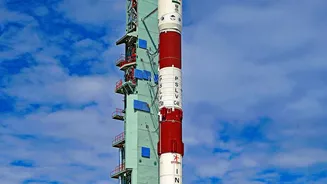
At the heart of any space programme are the rockets that defy gravity. Historically an ISRO monopoly, launch vehicle development is now a hotbed of private innovation. Startups like Skyroot Aerospace and Agnikul Cosmos are developing their own rockets, aiming to provide cost-effective launch services for the booming global small satellite market. This has ignited a demand for engineers with a deep understanding of propulsion, turbomachinery, aerodynamics, and structural design. Roles for mechanical, aerospace, and manufacturing engineers are growing, as companies race to design, build, and test the next generation of Indian launch vehicles, including reusable ones.
The Satellite Constellation Rush
Just as crucial as the rockets are the satellites they carry. India is positioning itself to become a global hub for satellite manufacturing. The demand is driven by the need for vast constellations of satellites for communication, navigation, and Earth observation. Private firms like Pixxel and Dhruva Space are at the forefront, creating a need for satellite systems engineers, avionics specialists, and experts in electronics and communication. The entire supply chain is expanding, from component manufacturing to the final integration and testing of complex satellite systems, creating thousands of skilled jobs. This aligns with the 'Make in India' initiative, fostering a robust domestic manufacturing ecosystem.
Downstream Data: The Hidden Frontier
Perhaps the largest and fastest-growing job market isn't in space at all, but on the ground, interpreting the data sent back by satellites. This is the 'downstream' sector. Earth observation satellites generate enormous volumes of data that have practical applications in agriculture, climate monitoring, urban planning, insurance, and disaster management. This has created a surge in demand for data scientists, GIS analysts, and AI/ML engineers. Professionals who can write code in Python, use machine learning models, and handle geospatial data are now critical to turning raw satellite imagery into actionable business intelligence for companies like SatSure.
Beyond Engineering: The Supporting Cast
The new space ecosystem requires more than just engineers and scientists. As the sector commercialises, a diverse range of skill sets is needed. There is a growing demand for mission operations and ground control staff who manage satellites and launch logistics. Furthermore, the increasing complexity of public-private partnerships, international collaborations, and regulatory frameworks is creating opportunities for professionals in space law, policy, finance, and business development. The expansion has been so rapid that the sector is actively facing a shortage of qualified talent, creating opportunities for professionals to transition from other industries.