




The New Look of the Dairy Aisle
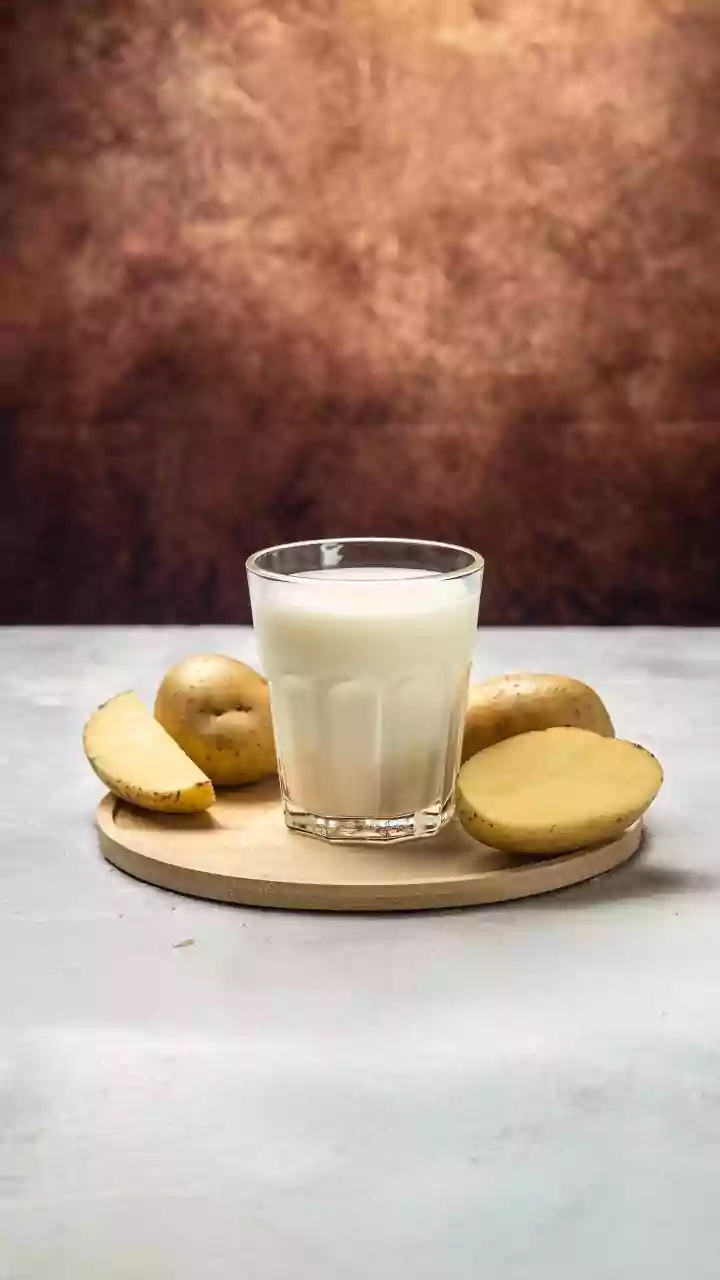
The Indian dairy case is undergoing a makeover. Traditional staples are now sharing shelf space with a growing array of value-added products designed to meet new nutritional demands. Consumers can now find milk with naturally concentrated protein, ready-to-drink
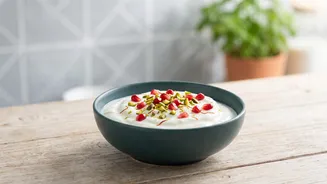
protein shakes in local flavours, high-protein paneer, and Greek yogurts. Unlike traditional flavoured milks that contain about 3-5 grams of protein per serving, these new products often deliver 15 grams or more. Brands like Amul, Mother Dairy, and newer players like Provilac and Akshayakalpa Organic are launching products that bridge the gap between regular milk and specialised gym supplements. This move caters to a desire for convenient nutrition, integrating higher protein intake into daily, familiar consumption habits like a morning glass of milk or a bowl of curd.
What’s Driving the Protein Push?
Several factors are fueling this protein boom. A primary driver is rising health consciousness among Indian consumers, particularly in urban areas. Hectic schedules, coupled with a growing awareness of lifestyle-related health issues, have created a demand for convenient and functional foods that offer benefits beyond basic nutrition. The expansion of gym culture has also played a significant role, moving protein from a niche concern for athletes to a mainstream requirement for general wellness and weight management. With population growth and rising disposable incomes, more people are actively seeking out foods with added health benefits, and protein is a top priority. This shift represents a move from quantity-driven consumption to choices led by quality and nutritional value.
How the Industry Is Responding
For India's dairy industry, which is the world's largest milk producer, this trend is a crucial opportunity for growth. For years, the sector has been volume-driven, with low margins on liquid milk. Value-added products like protein-fortified milk, cheese, and whey derivatives offer significantly higher profitability, with margins that can be two to three times greater than that of plain milk. In response, major companies and startups are innovating. Some are using ultra-filtration technology to concentrate the natural protein in milk without additives, while others are fortifying products with whey or milk protein concentrates. This shift from volume to value is seen as essential for the sector's future, turning India's massive milk output into a more structured and profitable market.
Beyond the Gym: Protein for Everyone
While fitness enthusiasts are a key demographic, the appeal of these products is much broader. Companies are positioning high-protein dairy as a solution for the entire family, addressing widespread protein deficiency in Indian diets. Functional foods, including protein-rich dairy, are increasingly seen as a form of preventive healthcare. They offer benefits like improved satiety for weight management, muscle maintenance for healthy aging, and essential nutrients for children's growth. By incorporating extra protein into familiar products like milk, yogurt, and even ice cream, brands are making it easier for everyday consumers to improve their nutritional intake without drastically changing their dietary habits.
Challenges and Considerations
Despite the momentum, the path to value addition is not without its hurdles. The Indian dairy supply chain remains fragmented, with challenges in maintaining quality and consistency from farm to shelf. Furthermore, producing these fortified products requires significant investment in technology, research, and development, which can be a barrier for smaller players. For consumers, the main consideration is often price, as these value-added products are typically more expensive than their conventional counterparts. Reading labels becomes more important, as does understanding the difference between a product with naturally occurring protein and one fortified with protein isolates. However, the overall trend indicates a clear and growing consumer willingness to pay a premium for tangible health benefits.