



The Rise of Natural Cleaning
Across India, households are increasingly swapping harsh chemical cleaners for gentler, homemade solutions. The reasons are compelling: concerns about the respiratory effects of chemical fumes in poorly ventilated homes, a desire to reduce environmental
impact, and the simple cost-effectiveness of using kitchen staples. Ingredients like vinegar, baking soda, and lemon have become popular for daily chores, celebrated for their ability to cut through grease and grime without leaving behind strong chemical odours. This back-to-basics approach aligns with a growing awareness of wellness and sustainability, but it's essential to understand the limits of these natural wonders, especially during the challenging monsoon months.
Your DIY Low-Chemical Cleaning Kit
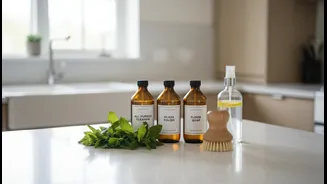
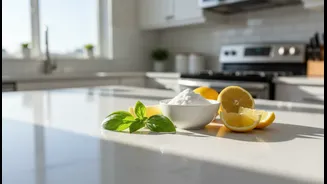
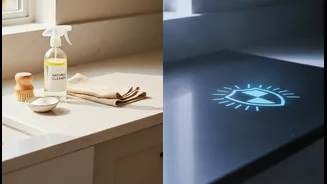
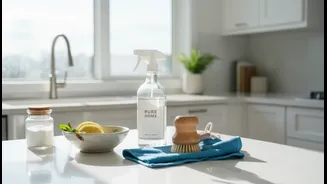
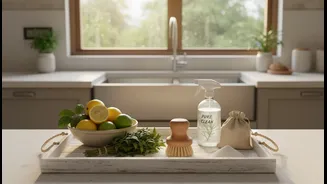
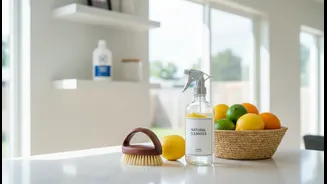
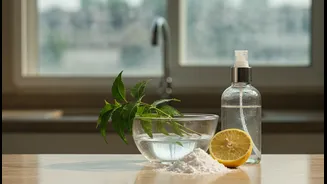
Building a natural cleaning arsenal is simple. An all-purpose spray made from equal parts white vinegar and water can tackle countertops, windows, and milder stains. For tougher grime on sinks or stovetops, a paste of baking soda and water works as a gentle abrasive. These solutions are excellent for 'cleaning'—the physical removal of dirt and oils from surfaces. They help maintain a visibly tidy home. For instance, a vinegar solution can remove daily kitchen splatters, and baking soda can lift fresh food stains from a counter. They are a great first line of defence for everyday messes.
Cleaning vs. Disinfecting: A Crucial Difference
This is where the most critical distinction lies. Cleaning removes germs, but disinfecting kills them. Natural cleaners like vinegar and baking soda are effective cleaning agents, but they are not registered disinfectants capable of eliminating hardy viruses and bacteria. During the monsoon, high humidity creates the perfect breeding ground for microbes. Mould can grow on a damp surface within 24-48 hours. Bacteria like E. coli and Salmonella, and various viruses, thrive in these conditions, posing a significant risk of gastrointestinal and other illnesses. Relying solely on DIY cleaners for every situation can leave your family exposed to these invisible threats.
When Disinfection Becomes Non-Negotiable
A smart cleaning strategy involves knowing when to escalate from cleaning to disinfecting. During the monsoon, certain situations demand the germ-killing power of a proper disinfectant. You should always disinfect high-touch surfaces like doorknobs, light switches, and taps, as these are primary vectors for germ transmission. The bathroom and kitchen sink areas require regular disinfection to control bacteria. It is absolutely essential to disinfect any surface after a family member has been ill with a stomach bug or flu to prevent it from spreading. Furthermore, any areas affected by mould growth or water seepage must be cleaned and then treated with a disinfectant to eliminate spores.
How to Disinfect Safely and Effectively
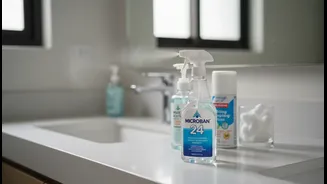
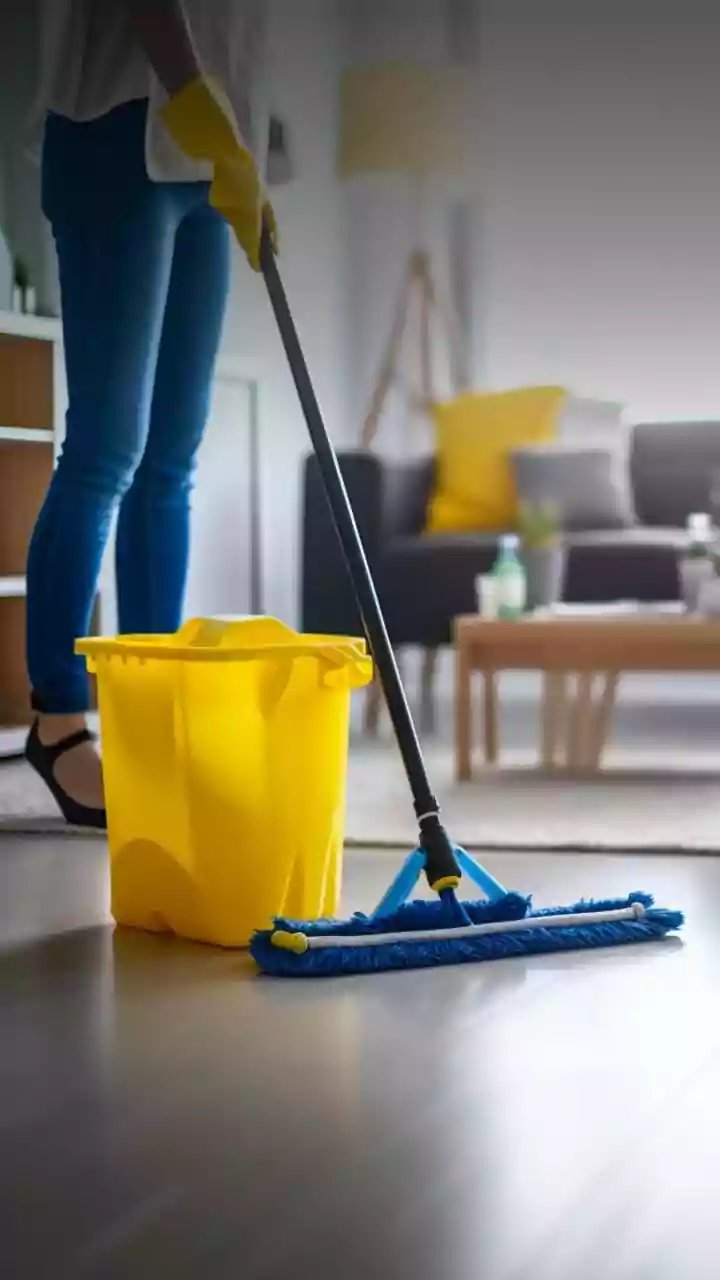
Using chemical disinfectants doesn't have to mean flooding your home with harsh fumes. The key is targeted and safe application. First, always clean the surface with soap and water to remove physical dirt, as this allows the disinfectant to work properly. When using a disinfectant, choose one with a clear EPA or government registration number. Follow the product's instructions carefully, paying close attention to the 'dwell time'—the period the surface must remain wet for the product to kill germs effectively. Ensure the room is well-ventilated by opening a window or using an exhaust fan. Never mix different cleaning chemicals, particularly bleach and ammonia, as this can create toxic gas. Store all cleaning products securely and out of reach of children and pets.