




The Anatomy of an Aesthetic
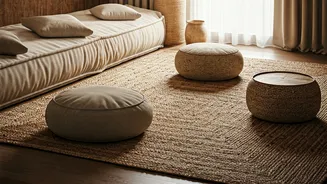
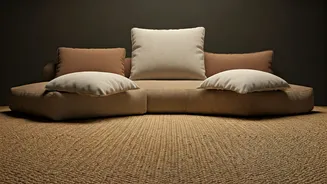
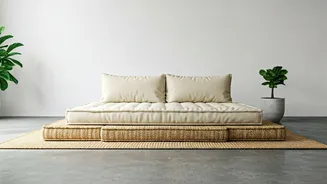
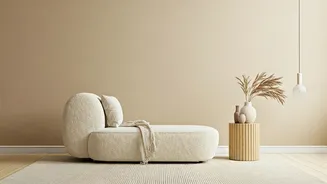
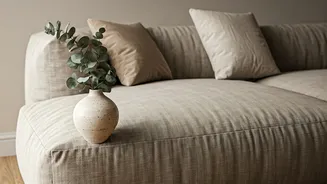
At its heart, this trend is about creating a grounded, relaxed, and inviting atmosphere. The formula is simple but effective. It starts with a low-profile sofa or a collection of large floor cushions that encourage lounging. Traditional seating is eschewed
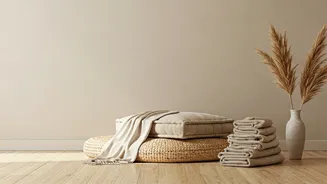
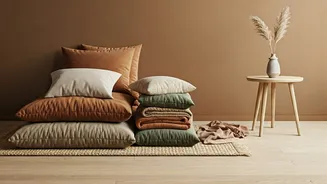
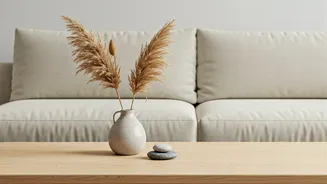
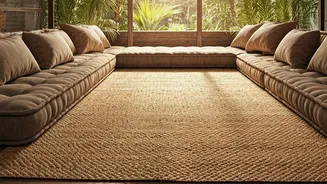
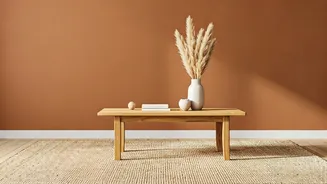
for something that feels more informal and connected to the earth. This is then layered with an assortment of pouffes, bolsters, and throw pillows in varying textures like cotton, linen, and wool. The entire arrangement sits atop the trend’s non-negotiable foundation: a large jute or sisal rug. The colour palette is typically neutral and earthy—think beige, cream, terracotta, and olive green—letting the natural textures be the star of the show. It’s a look that feels both carefully curated and effortlessly casual.
Why We're All Falling for It
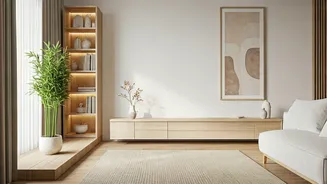
This trend’s popularity isn’t just about aesthetics; it taps into a deeper cultural shift. Firstly, it’s a nod to tradition. For many in India, the concept of sitting closer to the floor is not new. It evokes the communal feeling of a traditional ‘baithak’, a space for informal gathering, conversation, and connection. Secondly, there’s a strong wellness component. In a world that feels increasingly fast-paced and digital, creating a home that feels like a sanctuary is a priority. Low seating encourages a slower, more mindful way of living. It physically brings you down to earth, fostering a sense of calm and stability. This design philosophy shares roots with global trends like Japandi, which blends Japanese minimalism with Scandinavian functionality, both of which prize simplicity and a connection to nature.
The Unbeatable Appeal of Jute
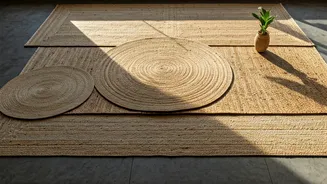
The jute carpet is the undeniable hero of this entire look. Without it, the arrangement can feel incomplete or floaty. But why jute? Its appeal is multi-fold. As a natural fibre, it brings an organic, rustic texture into the home that instantly adds warmth and character. No two jute rugs are exactly alike, giving them a unique, handcrafted quality that feels authentic. It’s also incredibly versatile, pairing well with almost any design style, from bohemian and coastal to minimalist and modern. Beyond its looks, jute is a sustainable and relatively affordable choice. It’s a fast-growing, renewable resource, making it an eco-conscious option for homeowners. Its durability also means it can withstand high-traffic areas, making it a practical as well as a stylish foundation for a living space.
Bringing the Look Home
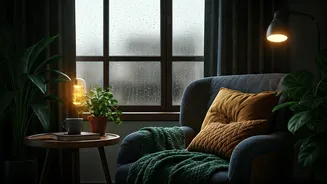
Tempted to try it yourself? The key is balance. If you’re going all-in with floor cushions, make sure they are high-quality and comfortable for extended sitting. If you opt for a low-slung sofa, consider its seat depth—a deeper seat is better for lounging. To prevent the room from feeling flat, incorporate varied heights with tall plants, a slim floor lamp, or a high-backed accent chair in a corner. This creates visual interest and provides alternative seating for guests who may not be comfortable sitting low. When choosing your jute rug, go as big as your budget allows. A larger rug makes the space feel more expansive and cohesive, anchoring all the furniture elements together. Don't be afraid to layer a smaller, more colourful vintage rug on top of the jute for an extra dose of personality.
A Reality Check on Low Living
While the aesthetic is beautiful, it's important to consider practicality. Low seating isn't for everyone. It can be challenging for older family members or guests with mobility issues to get up and down from floor level. If you host a wide range of guests, ensuring you have seating at standard heights is crucial for their comfort. Furthermore, while jute is durable, it's not invincible. It's a highly absorbent fibre, which means spills should be blotted immediately to prevent staining. It also sheds a bit, especially when new, so it requires regular vacuuming. Before committing completely, perhaps start with a small corner, a low coffee table, and a few pouffes to see how this style fits into your daily life.