





An Escape from the Concrete Jungle
For many young professionals and students in Delhi, life is a relentless cycle of traffic, pollution, and noise. The Western Ghats, a UNESCO World Heritage site stretching across India's western coast, offer a profound contrast. This region, with its
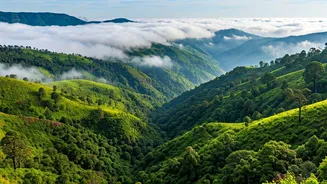
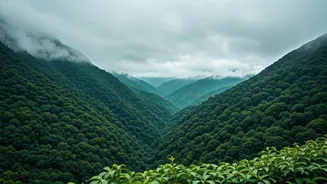
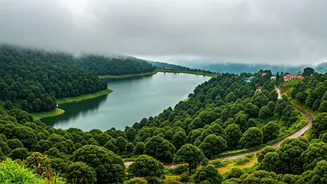
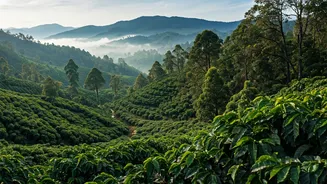
dense forests, mist-covered peaks, and tranquil atmosphere, provides a much-needed sanctuary. Travellers are increasingly seeking destinations that offer a genuine break from urban chaos, and the promise of waking up to birdsong instead of car horns is a powerful lure. This desire for peace is a significant push factor driving them thousands of kilometres south.
The Allure of a Monsoon Wonderland
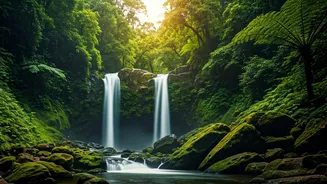
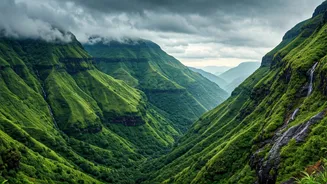
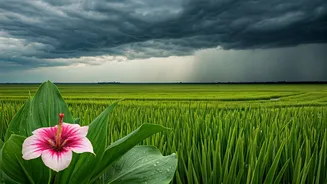
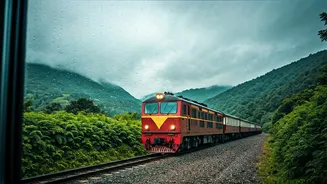
While North India battles the summer heat or experiences a different monsoon pattern, the Western Ghats come alive in a unique way from June to September. The rains transform the landscape into a vibrant canvas of green. Waterfalls that are dormant for months, like Jog Falls and Dudhsagar Falls, roar to life, creating spectacular sights. For Delhi's youth, accustomed to either dry heat or urban waterlogging, the romantic, misty, and lush environment of places like Coorg, Wayanad, and Chikmagalur during the monsoon is a novel and deeply appealing experience. Travel trends show that the monsoon is no longer an off-season but a peak experience for those in the know.
Beyond Conventional Tourist Trails
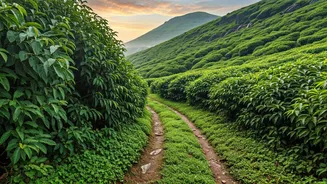
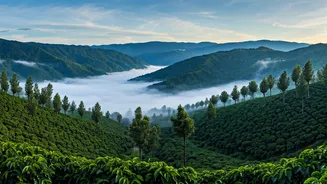
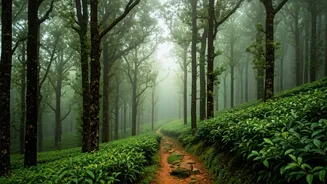
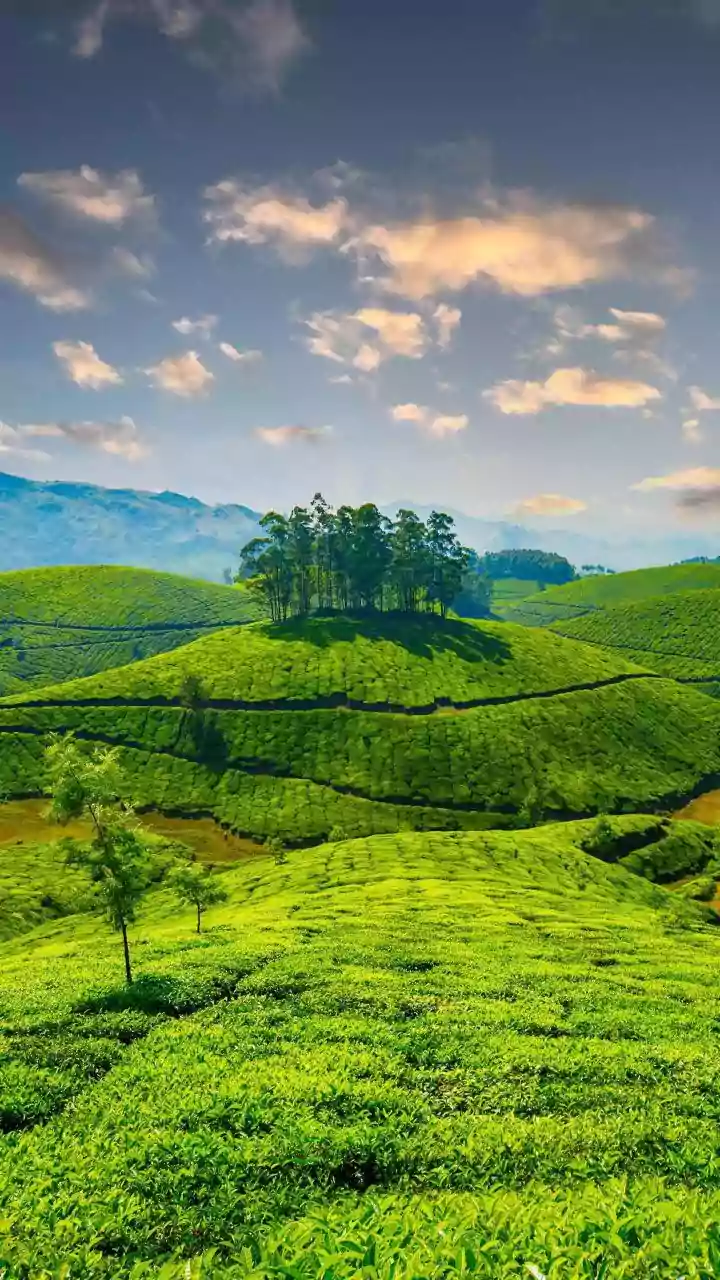
The traditional holiday circuit for many North Indians often revolves around Himachal Pradesh, Uttarakhand, or Goa. However, a desire for new and authentic experiences is leading younger travellers to look further. Reports indicate that a significant number of travellers are now actively avoiding crowded tourist spots in favour of quieter alternatives. The Western Ghats offer a different flavour of vacation. Instead of just beaches or snow, this region provides a rich tapestry of biodiversity, sprawling coffee and spice plantations, and unique trekking trails. Destinations like Agumbe, Sakleshpur, and the less-travelled parts of Coorg offer a sense of discovery that is hard to find in more commercialised locations.
The Rise of Authentic and Sustainable Stays
Modern young travellers are increasingly conscious of their environmental and cultural impact. They are moving away from large, impersonal hotels towards experiences that feel more grounded and authentic. The Western Ghats are a hub for eco-friendly homestays and farm stays that champion sustainability. These stays offer guests a chance to live on a coffee estate, eat locally sourced organic food, and interact with the host community. This aligns with a broader trend among Gen Z and millennial travellers who prioritise cultural immersion and meaningful connections over generic luxury. These homestays provide not just a bed, but an experience rooted in the local way of life.
A Search for Adventure and Digital Detox
The rugged terrain of the Western Ghats is an adventure lover's paradise, offering everything from challenging treks up peaks like Kudremukh to exploring dense forests and river rafting. This appeals to the growing interest in outdoor activities and fitness-oriented holidays. At the same time, many of these offbeat locations come with the pleasant side effect of patchy mobile connectivity, facilitating an unintentional but often welcome digital detox. This allows travellers to disconnect from the constant demands of their digital lives and reconnect with nature and themselves, a luxury that is becoming increasingly rare and sought after.