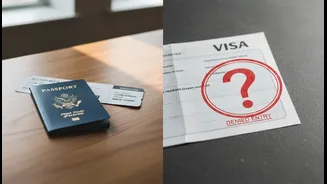









The Core Misunderstanding
Many travellers mistakenly believe that their travel contracts are linked to their visa status. They assume that if a country denies them entry, the airline, hotel, or tour operator will naturally provide a full refund. This is a dangerous and often expensive
assumption. In reality, the permission to enter a country and the commercial agreements you make for travel are two completely separate things. An airline's contract is to get you from point A to point B; whether you are allowed to enter point B is your responsibility, not theirs.
What 'Entry Permission' Really Means
A visa or an entry permit is simply a document issued by a foreign government that allows you to present yourself at a port of entry and request admission. It is not a golden ticket. An immigration officer at the border has the final authority to permit or deny your entry. The visa fee you pay covers the administrative cost of processing your application, which is why these fees are almost always non-refundable, regardless of the outcome. Think of it as paying for the review process, not for a guaranteed approval.
Deconstructing the 'Commercial Promise'
When you buy a flight or book a hotel, you are entering into a commercial contract. The terms of that contract are dictated by the fare rules or booking policy you select. A non-refundable ticket is exactly that: non-refundable. From the airline's perspective, a visa denial is the passenger's problem, not a reason to void the contract. They fulfilled their promise by holding a seat for you. Unless you purchased a more expensive flexible or refundable fare, your chances of getting your money back directly from the airline are slim to none.
The High Cost of Getting It Wrong
The most common scenario involves a traveller who finds a great deal on a non-refundable flight and books it months in advance. They then apply for their visa, only to have it delayed or, in the worst-case scenario, rejected. The airline, bound by its fare rules, refuses a refund. The traveller is now out hundreds or thousands of dollars with no trip to show for it. This happens daily, and it stems directly from failing to separate the government's decision from the commercial one.
How to Protect Yourself
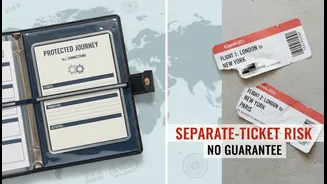
The key to avoiding this travel trap is to change your booking sequence and mindset. First, always research your destination's visa requirements. Many embassies explicitly advise applicants not to purchase tickets until their visa has been approved. For the application itself, you can often use a flight reservation or a detailed itinerary rather than a fully paid ticket. Several online services provide temporary, verifiable flight reservations for a small fee for this exact purpose. This satisfies the embassy's requirement to see your travel plans without you having to risk a large sum of money.
The Role of Travel Insurance
This is where travel insurance becomes essential, but you must choose carefully. Standard travel insurance policies do not typically cover losses due to visa rejection. You need to look for a policy that either includes visa rejection coverage as a standard benefit or offers it as a specific add-on. This type of insurance is designed to reimburse you for non-refundable prepaid costs, like flights and hotels, if your visa application is denied for a covered reason. Read the policy details carefully to understand what is and isn't included. Some policies may only refund the visa fee itself, not the associated travel costs.