







The Soul of the Monsoon Celebration
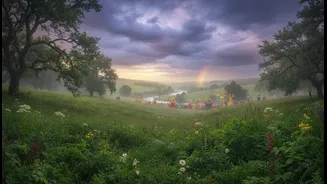
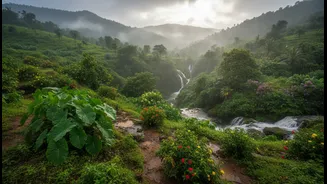
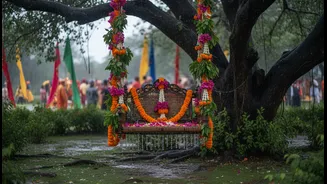
Teej is inextricably linked with the arrival of the monsoon. The festival celebrates the reunion of Lord Shiva and Goddess Parvati, mirroring the land's own rejuvenation as the rains bring relief from the summer heat. For two days, the Pink City becomes
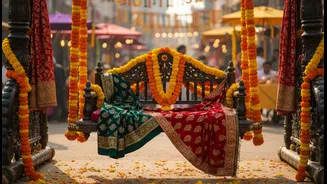
a sea of green, with women dressed in vibrant leheriya sarees, their hands decorated with intricate mehndi. Swings are hung from trees, becoming focal points for singing and celebration, and the entire city soaks in a festive spirit dedicated to marital bliss and the bounty of nature. It’s a cultural spectacle that transforms the city’s streets, particularly the historic walled areas.
Mark Your Calendar, With a Pencil
Planning is crucial, and for Teej in 2026, it's doubly important. The main festivities for Hariyali Teej, marked by a grand public procession, are anticipated around mid-August. Notably, some calendars place the main date on August 15th, which coincides with India's Independence Day. This would create an exceptionally busy and patriotic atmosphere in Jaipur, likely leading to larger crowds and more extensive traffic restrictions than usual. As the festival dates are based on the lunar calendar, it's always wise to confirm the final schedule with local tourism authorities closer to August, but planning for a mid-August trip is a safe bet.
What to Expect from the Weather
August is the heart of Jaipur's monsoon. While this means the landscape is lush and temperatures are pleasant—typically ranging from 24°C to 32°C—it also means rain is a near-certainty. However, the rain often comes in short, heavy bursts, frequently in the late afternoon or evening, rather than all-day downpours. Humidity will be high, making breathable fabrics a must. While serious flooding is uncommon, heavy showers can lead to waterlogged streets and slippery conditions, especially on the old city's cobblestones. The rain is part of the authentic Teej experience, but it demands respect and preparation.
Navigating the Teej Procession
The festival's highlight is the magnificent procession of the Teej Mata idol, which begins at the City Palace and winds its way through Tripolia Bazaar, Chhoti Chaupar, and Gangauri Bazaar. These narrow, historic streets become incredibly crowded. With the possibility of rain, finding a good and safe vantage point is key. The tourism department often sets up viewing stands for visitors, but these fill up fast. Consider finding a spot in a hotel or shop with a balcony overlooking the route. Remember that processions have continued even in heavy rain, with organisers sometimes covering the idol in plastic to protect it, so don't let a shower deter you—just be ready for it.
Dress Smart: Festive and Functional
Dressing for Teej is a joyous part of the experience, but it requires a practical twist. While green is the traditional colour, opt for lightweight, quick-drying fabrics like cottons or chiffons. A beautiful leheriya dupatta can provide a festive touch without weighing you down if it gets damp. The most critical choice is your footwear. Leave the high heels and slippery slides at home. Opt for sturdy, comfortable sandals with a good grip or even waterproof shoes. You'll be doing a lot of walking on potentially wet and uneven surfaces. An elegant umbrella or a compact, stylish raincoat should be considered an essential accessory.
Embrace the Full Experience
If the procession seems too crowded or the weather too intimidating, there are plenty of other ways to soak in the Teej atmosphere. The bazaars, especially Johari Bazaar, will be alive with activity. This is the perfect time to sample the festival's signature sweet, Ghewar, a disc-shaped honeycomb cake that tastes even better in the rain-cooled air. Many hotels and community centres host their own Teej celebrations with folk music, dancing, and swing installations in covered courtyards. These can offer a more intimate and comfortable way to experience the cultural richness of the festival, proving that a little rain can't dampen Jaipur's festive spirit.