


The Golden Rule: Once Is Best
When it comes to food safety, the overwhelming consensus among experts is that you should only reheat leftovers once. Major food safety bodies, including the UK's Food Standards Agency (FSA) and the US Food and Drug Administration (FDA), strongly advise
against multiple reheating cycles. Each time you cool and reheat food, it passes through the temperature 'danger zone' — between 40°F (4°C) and 140°F (60°C) — where bacteria can multiply rapidly. While one reheating cycle is generally safe if done correctly, repeating the process significantly increases the risk of foodborne illness.
The Science of the Danger Zone
The problem isn't just the heating, but the cooling that comes after. When cooked food sits out, even in the refrigerator, bacteria can begin to grow. A proper reheating to an internal temperature of at least 165°F (74°C) will kill most active bacteria. However, some bacteria can produce heat-resistant spores or toxins that survive the reheating process. Each time you cool the food down again, any surviving spores can germinate and multiply. The next time you heat it, you might be killing the new bacteria, but the toxins they created could remain, posing a health risk that heat cannot eliminate.
High-Risk Foods to Handle with Care
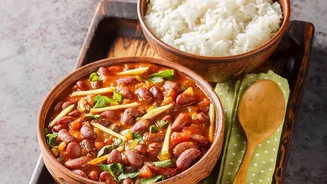
While the one-reheat rule applies to most foods, some are particularly high-risk. Rice is a notable culprit due to a bacterium called Bacillus cereus, whose spores can survive cooking and produce toxins that aren't destroyed by heat. Poultry is another concern, as it can harbor bacteria like Salmonella and Clostridium perfringens. Uneven reheating, especially in a microwave, can leave cold spots where these pathogens survive. Other foods that require extra caution include eggs, seafood, mushrooms, and leafy greens like spinach, as their composition can change and encourage bacterial growth or other unwanted chemical reactions when repeatedly heated.
Best Practices for Safe Reheating
To ensure your single reheating is safe and effective, follow a few key steps. First and foremost, use a food thermometer to verify that the food reaches an internal temperature of 165°F (74°C) throughout. For liquids like soups and sauces, bring them to a rolling boil. When using a microwave, cover the food and stir it midway through to ensure even heating. It's also crucial to avoid using devices not designed for rapid heating, such as slow cookers or chafing dishes, as they can keep food in the danger zone for too long.
A Smarter Way to Handle Leftovers
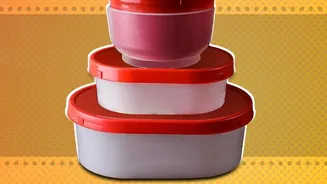
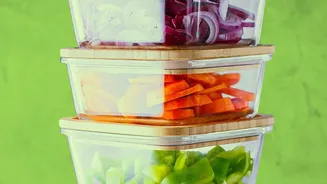
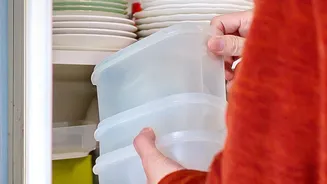
Instead of reheating an entire batch of food multiple times, the safest and best-quality approach is to only heat the portion you intend to eat. When you've cooked a large meal, divide it into individual portions before refrigerating. This way, you can take out one serving at a time, heat it once, and enjoy it without compromising the safety or quality of the rest. This method not only minimizes your risk of foodborne illness but also prevents the decline in taste and texture that comes with overcooking food through repeated heating cycles. Remember to cool and store leftovers promptly—within two hours of cooking—to slow down bacterial growth from the start.