



A Hunger for Authenticity
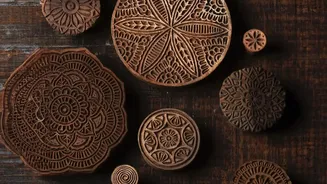
In a world of mass-produced furniture and globalised design trends, a growing number of Indian homeowners are consciously looking inwards. The decision to place a piece of Dhokra art from Chhattisgarh on a sideboard or use hand-block printed textiles
from Rajasthan as a table runner is more than an aesthetic choice; it’s a statement of identity. Designers note this is a direct response to the uniformity of modern living. A handcrafted object, with its subtle imperfections and unique story, offers a sense of connection and authenticity that a factory-made item cannot. It provides a bridge between the past and the present, anchoring a contemporary home in centuries of culture and technique.
The Dining Room as a Cultural Hub
The dining room has evolved from a purely functional area to the social heart of the home, making it the perfect stage for decorative pieces that spark conversation. It’s a space for gathering, sharing stories, and making memories. What better backdrop for these moments than art that has its own narrative? An intricately carved wooden panel from Gujarat or a set of blue pottery mugs from Jaipur can serve as functional art, weaving cultural heritage into the fabric of daily life. These items are not just decorations; they are storytellers that reflect a homeowner’s taste, values, and connection to their roots.
Conscious Choices and Sustainable Style
The shift towards regional crafts is also deeply tied to a rising consciousness around sustainability. Homeowners are increasingly moving away from 'fast décor' and seeking items that are ethically sourced and environmentally friendly. Indian handicrafts often utilise natural, local, and biodegradable materials like bamboo, clay, jute, and reclaimed wood, produced with low-impact processes. Choosing these pieces is a vote for conscious consumerism. It supports the livelihoods of artisan communities, helps preserve generational skills that are at risk of fading, and promotes a more mindful approach to decorating with long-lasting, meaningful objects.
Crafts Making a Modern Statement
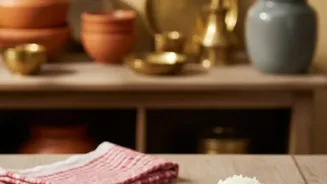
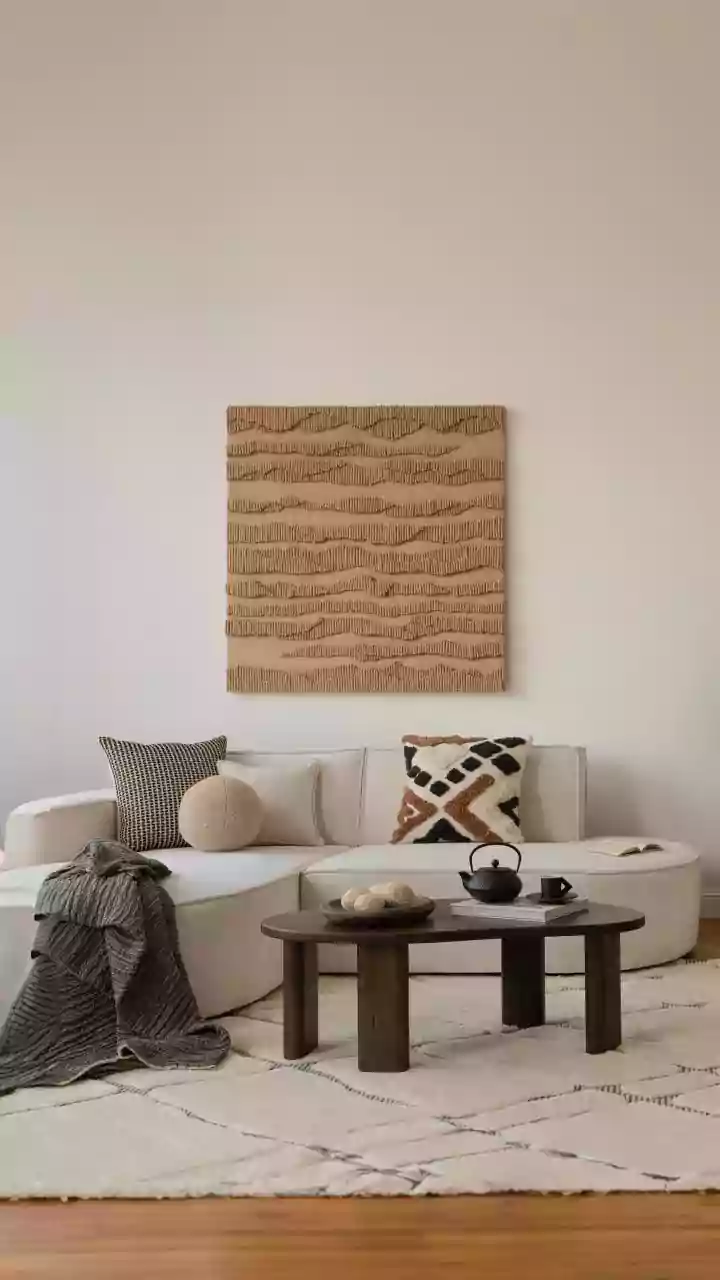
Integrating traditional crafts into a modern dining space doesn't mean the room has to look old-fashioned. The beauty of this trend lies in the fusion of old and new. Think of a minimalist dining table adorned with handmade terracotta plates, or sleek, modern chairs upholstered with vibrant Kutch embroidery. Crafts like Tanjore paintings, Bastar iron art, and Chettinad pillars are being reinterpreted in contemporary contexts. Designers often use a neutral backdrop to make a single, intricate piece the focal point, allowing its craftsmanship and detail to stand out and add warmth, texture, and character to an otherwise modern room.