




The Diplomatic Deep Freeze
To understand the shadow trade, one must first look at the official freeze. Direct trade between the two nuclear-armed neighbours has been effectively suspended since 2019. Following the Pulwama attack, India revoked Pakistan's 'Most Favoured Nation'
(MFN) status and imposed a 200% tariff on Pakistani imports. In response, Pakistan formally suspended almost all trade with India, with a narrow exemption for essential medicines and related raw materials. Tensions escalated further following a terror attack in Pahalgam in 2025, leading both nations to impose even stricter bans, which explicitly included prohibitions on trade via third countries. This created a de facto trade embargo, sealing the primary land route at the Wagah-Attari border and halting direct shipping.
The Dubai Detour
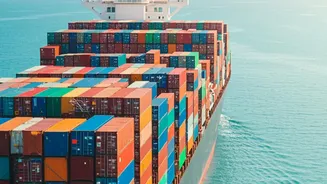
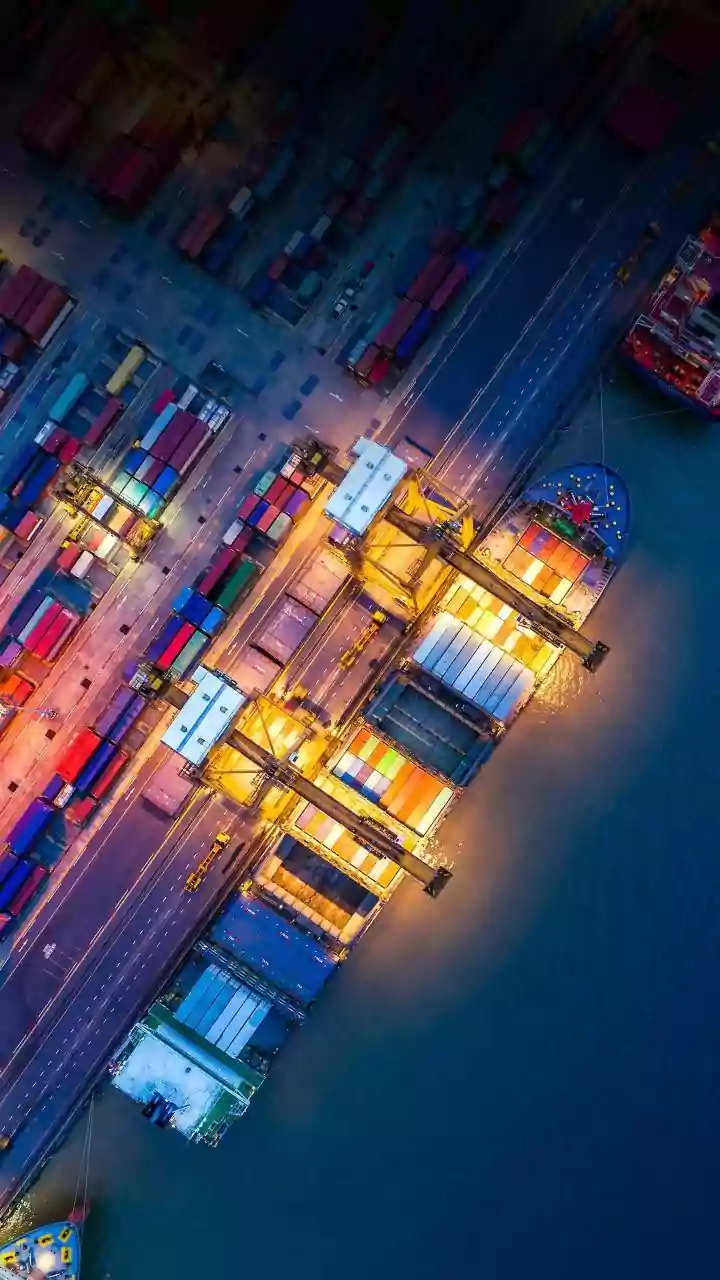
When the front door is locked, goods find a side entrance. The primary indirect route runs through the United Arab Emirates, with Dubai serving as the main hub. Other ports like Singapore and Colombo in Sri Lanka are also used. According to analysis by the Global Trade Research Initiative (GTRI), a think tank, Indian exporters ship their products to these neutral ports. There, independent firms unload the consignments into bonded warehouses, which are special zones where goods can be stored duty-free while in transit. Inside these warehouses, a quiet transformation takes place: labels are changed, and new documents are drawn up to obscure the products' origin. An item 'Made in India' can be relabelled as 'Made in UAE' before being legally re-exported to Pakistan. This grey-zone strategy allows businesses to bypass direct restrictions and meet persistent market demand.
What's on the Shelves?
The list of Indian products making this roundabout journey is extensive and reflects essential needs in the Pakistani market. Pharmaceuticals and their raw materials are the most critical category, a dependence acknowledged even in Pakistan's initial trade suspension. Recent data from July-September 2026 shows that Pakistan's payments for imports from India surged 69% year-on-year, driven overwhelmingly by medical supplies like vaccines. Beyond medicine, a wide array of other goods follows the same path. This includes organic chemicals, textiles, cotton, auto parts, tea, coffee, sugar, plastics, and even produce like onions and tomatoes. This flow highlights a key economic reality: despite political hostility, Pakistan's industrial and consumer sectors remain reliant on Indian supply chains for both finished goods and critical manufacturing inputs.
The Cost and Scale of Shadow Trade
While this indirect trade keeps supply chains moving, it comes at a cost. For Pakistani consumers and industries, the rerouting adds significant expense. The additional shipping, storage, and paperwork in the intermediary country mean the final price of the goods is much higher than it would be via direct trade. This particularly impacts the price of essential medicines. The scale of this unofficial commerce is staggering. While official bilateral trade has dwindled to negligible amounts, the GTRI estimates that the value of Indian goods reaching Pakistan indirectly could be as high as $10 billion annually. Fresh data corroborates this trend, with Pakistan importing goods worth approximately Rs 5,876 crore ($61.74 million) from India in the first quarter of the 2026-27 fiscal year alone, a significant jump from the previous year. This demonstrates a robust and resilient commercial relationship that persists beneath the surface of diplomatic conflict.