






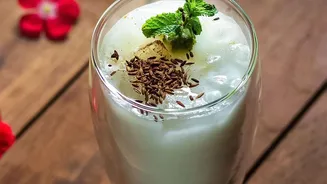
For decades, the choice for a fizzy drink in India was simple: cola or lemon-lime. But a flavour revolution is bubbling up, led by an unapologetically local taste. Jeera soda is making its way from street stalls to supermarket aisles.
A Taste of Homegrown Refreshment
At its heart, jeera
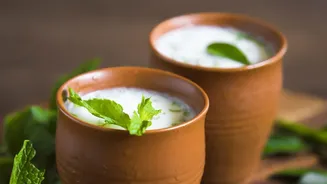
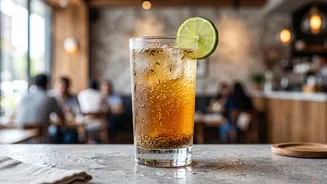
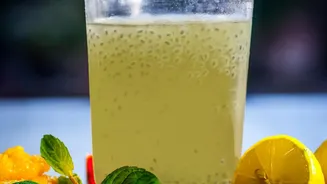
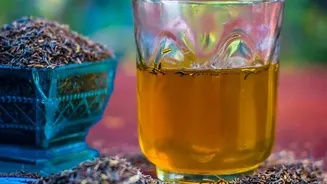
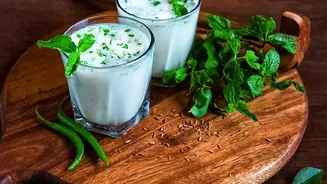
soda is a carbonated drink flavoured with cumin (jeera) and a blend of Indian spices like black salt. Its taste profile is a world away from the syrupy sweetness of multinational colas. Instead, it offers a complex, savoury, and tangy experience that is deeply familiar to the Indian palate. This is the flavour of 'jaljeera' and other traditional digestive drinks that have been staples in Indian households for generations, often consumed to provide relief after a heavy or spicy meal. The modern, bottled version simply adds fizz and convenience to a taste that many associate with home, comfort, and scorching summer afternoons.
From Street Corner to National Stage
Jeera-based drinks have long been a fixture of India's vibrant street food culture, served fresh by vendors as a quick digestive aid. For years, the market was highly fragmented among small, local players. While some brands have been around for over two decades, their sales remained modest until recently. The turning point came as a new wave of brands, like Lahori Zeera which launched in 2017, professionalized the category. They created strong branding, established wide distribution networks, and crucially, hit the affordable ₹10 price point that drives volume in India's mass market. This success has been so significant that it has been dubbed a 'Jio moment' for the beverage industry, disrupting the long-standing duopoly of global giants.
The Indian Palate Strikes Back
The rise of jeera soda is part of a larger trend: a renewed consumer pride in authentic, local flavours. Across the country, especially in Tier 2 and Tier 3 cities, consumers are increasingly choosing beverages that reflect their cultural identity over westernized alternatives. This is not just about nostalgia; it's a conscious choice for flavours that feel personal and rooted in tradition. The beverage market, once dominated by a few flavours, is now seeing a revival of traditional drinks like aam panna, kokum sharbat, and sattu, all finding their way into premium, ready-to-drink formats. Consumers are reading labels and seeking out drinks with functional benefits and natural ingredients, a space where spice-based drinks like jeera soda have a natural advantage.
Big Brands Take Notice
The explosive growth of local jeera soda brands has not gone unnoticed by the industry's giants. In a clear sign of the trend's power, the combined market share of Coca-Cola and PepsiCo in the carbonated drinks space fell from around 93% to 85% by September of last year, with local ethnic beverages capturing a 15% share. In response, these major players are entering the fray. Coca-Cola has its own brand, RimZim, which was originally a popular Parle brand from the 1980s. Parle Agro, one of India's oldest beverage companies, took its jeera soda 'Dhishoom' national after years of selling it only in rural markets. This rush to compete validates the market created by smaller, regional players and signals that the 'desi' flavour category is a permanent fixture, not a fleeting trend.
More Than Just a Thirst Quencher
A key part of jeera soda's appeal lies in its perception as a 'better-for-you' alternative to traditional soft drinks. Cumin has been used in Ayurveda for centuries and is widely known for its digestive properties. It is believed to stimulate digestive enzymes, reduce bloating, and balance acidity, making a jeera-based drink a popular choice after meals. While packaged versions contain sugar and salt, they are often seen as a more functional beverage compared to drinks that only offer empty calories. As health and wellness become more important purchasing considerations, beverages that offer perceived benefits like improved digestion or natural cooling properties are finding a growing and loyal audience.