


The Art of Patience
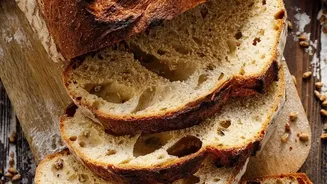
At its heart, slow baking is a philosophy that stands in direct opposition to the fast-paced, mass-produced world of modern bread. Instead of relying on commercial yeasts for a quick rise, artisan bakers cultivate their own wild yeast starters, often
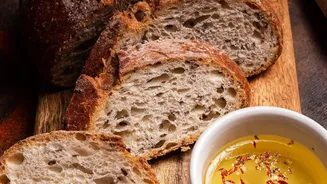
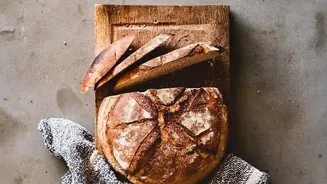
called a sourdough mother. This living culture, nurtured sometimes for years, is the soul of the bread. The dough is then allowed to ferment for long periods, typically 24 to 48 hours. This patient process does more than just leaven the bread; it develops a depth of flavour, a wonderfully chewy texture, and a crisp crust that's simply unattainable with faster methods. It’s a return to tradition, where time is the most crucial ingredient.
Health Meets Heritage
The movement towards slow baking isn't just about superior taste. There's a growing awareness among consumers about what goes into their food. Slow-fermented breads are often easier to digest, as the long fermentation process breaks down some of the gluten and phytic acid found in grains. This makes the nutrients in the flour more bioavailable. Many Chennai bakers champion their products as being gut-friendly and free from the preservatives and additives common in commercial baked goods. This focus on health beautifully intersects with a renewed pride in local food heritage, creating products that are both wholesome and deeply rooted in the region's agricultural identity.
The Millet and Jaggery Revival
The true genius of Chennai's slow baking scene lies in its creative use of local ingredients. Ancient grains, once staples of the South Indian diet, are making a major comeback. Bakeries like WheatBakes and others are experimenting with flours made from ragi (finger millet), kambu (pearl millet), and other indigenous grains, adding a unique nutty flavour and nutritional boost to their loaves. Another star ingredient is 'karupatti', or palm jaggery. This unrefined sweetener, with its rich, caramel-like notes, is replacing processed white sugar in everything from cinnamon rolls to cookies. This not only creates a more complex flavour profile but also supports local producers of this traditional sweetener.
Global Techniques, Local Soul
While the ingredients are proudly local, the techniques are often global. You'll find classic sourdough loaves sitting next to Scandinavian-inspired rye breads at places like Brød Bakery. Bakeries like Pumpkin Tales and Old Madras Baking Company have built a loyal following by perfecting artisan breads that rival those found in Europe, yet they remain distinctly Chennai. This fusion is where the magic happens: imagine a buttery croissant with a hint of cardamom, a sourdough loaf made with heritage Kaatuyaanam red rice, or a focaccia topped with curry leaves and podi. It’s a delicious dialogue between worlds, creating something entirely new and exciting for the city's food lovers.
Beyond the Loaf
This trend extends far beyond just bread. The principles of using high-quality, local, and natural ingredients are transforming cakes, pastries, and cookies across the city. Home bakers and specialty shops are crafting desserts that celebrate the region's bounty. You might find a rich, moist cake sweetened only with jaggery or a batch of cookies made with coconut and millet flour. These bakers are proving that indulgence doesn't have to mean compromising on quality or abandoning local flavours. They are redefining what a sweet treat can be, creating desserts that are both delicious and mindful.