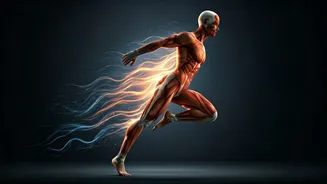









The Shift from 'No Pain, No Gain'
The old-school fitness culture glorified pushing your body to its absolute limit every single day. Rest days were for the weak, and muscle soreness was a badge of honour. While consistency and intensity are still crucial, we now understand this 'go hard
or go home' approach has a major flaw: it ignores the other half of the equation. Exercise, particularly strength training, is a process of breaking down muscle fibres. The actual growth, strength gain, and improvement happen when you allow those fibres to heal and rebuild stronger than before. That healing process is called recovery, and it's not a passive activity—it’s an active strategy.
What Happens When You Don't Recover
Skipping proper recovery is like trying to build a wall without letting the cement dry between layers. At first, you might feel fine, but eventually, the structure will crumble. In fitness terms, this is known as overtraining syndrome. Symptoms include persistent fatigue, decreased performance, nagging injuries, poor sleep, and even a weakened immune system. You hit a plateau where no matter how hard you train, you stop seeing results. This is your body sending a clear signal: you're breaking it down faster than you're building it back up. The 'recover harder' philosophy is designed to prevent this, turning your effort into tangible, sustainable progress.
Sleep: Your Ultimate Performance Enhancer
If there's one magic bullet for recovery, it's sleep. This is when your body does its most important repair work. During deep sleep, the pituitary gland releases Human Growth Hormone (HGH), which is essential for repairing muscle tissue and promoting growth. Simultaneously, quality sleep helps regulate cortisol, the body's primary stress hormone. Chronically high cortisol levels from intense training and lack of sleep can promote fat storage and muscle breakdown—the exact opposite of your fitness goals. Aiming for 7-9 hours of quality, uninterrupted sleep per night isn't lazy; it's a non-negotiable part of your training programme.
Fuel for Repair: Eat to Rebuild
Your workout is the stimulus, but nutrition provides the building blocks for recovery. Think of it this way: you can't renovate a house without materials. After a workout, your body needs two main things: protein and carbohydrates. Protein provides the amino acids necessary to repair and rebuild muscle fibres. Aim to have a protein-rich meal or snack within a couple of hours of your workout. Carbohydrates are just as important; they replenish your muscles' primary fuel source, called glycogen, which gets depleted during exercise. Topping up your glycogen stores ensures you have the energy for your next session. And don't forget hydration—water is crucial for nutrient transport and metabolic function.
Active Recovery: Move to Heal
Recovery doesn't always mean lying on the sofa. 'Active recovery' involves low-intensity movement on your rest days or after a tough workout. This could be a gentle walk, a light swim, a casual bike ride, or some simple yoga and stretching. The goal isn't to tax your muscles but to increase blood flow. This enhanced circulation helps deliver fresh oxygen and nutrients to your sore muscles while flushing out metabolic waste products that contribute to soreness. It helps reduce stiffness and can make you feel better faster, bridging the gap between intense sessions without adding more stress to the body.
Listen to Your Body: The Final Rule
Ultimately, the most advanced recovery tool you have is your own body's feedback. Some days you'll feel ready to take on the world; on others, you might feel sluggish and sore. Learning to distinguish between the need for a motivational push and the genuine need for rest is a skill. Pay attention to your energy levels, mood, sleep quality, and any persistent aches. Using a fitness tracker to monitor metrics like heart rate variability (HRV) can provide objective data, but nothing beats subjective feeling. Don't be afraid to swap a high-intensity session for a recovery day if your body is asking for it. That's not failure; it's smart training.