






Start at the Source: The Wash Cycle
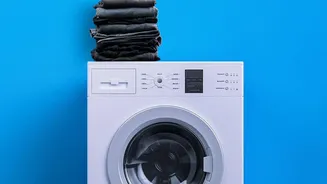
Effective drying begins before your clothes even hit the clothesline. The first step is to remove as much water as possible in the washing machine. Use the highest spin cycle your fabrics can safely handle. A modern machine spinning at 1000 RPM or more
can mechanically remove a significant amount of water, drastically cutting down evaporation time. If a load feels excessively heavy after the first spin, don't hesitate to run a second spin cycle. Also, avoid overloading your machine. Cramming too many clothes in one go prevents them from rinsing properly and getting enough spin action, leaving them wetter and prone to sour smells.
The Art of Strategic Hanging
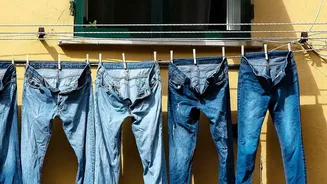
How you hang your clothes is just as important as where. The golden rule is to maximise air circulation. Never bunch garments together. Leave a gap of at least a few inches between each item on the drying rack or line. Hangers are your best friend, especially for shirts, kurtas, and t-shirts, as they allow air to flow freely around the entire garment. Before hanging, give each piece of clothing a good, sharp shake to untangle it and open up the fibres. This simple action helps release trapped water and even reduces the need for ironing later.
Harness the Power of Airflow
In a humid environment, still air is the enemy. You need to keep the air moving to carry away the moisture evaporating from your clothes. Position a pedestal or table fan to blow across your drying rack. A ceiling fan is also highly effective, reducing drying time by creating constant airflow in the room. Whenever there's a break in the rain, open windows to allow for cross-ventilation. This helps replace the humid indoor air with drier air from outside, speeding up the entire process. Even a small bathroom exhaust fan can make a difference for a few items if left running.
Consider a Dehumidifier or Your AC
For those in regions with relentless monsoon humidity, an appliance can be a game-changer. A dehumidifier is arguably the most effective solution. It works by actively pulling moisture from the air, creating an ideal environment for clothes to dry quickly. By placing a dehumidifier in a closed room with your laundry, you can reduce drying time from over 12 hours to just 4-6 hours. Your air conditioner can serve a similar purpose. The 'dry mode' on an AC unit, or even just running it normally, removes humidity from the room as a side effect of cooling, making it a brilliant workaround.
The Final Touch: Ironing Away Dampness
Sometimes, clothes feel dry but have a stubborn dampness hiding in thicker parts like collars, cuffs, and waistbands. This is where your iron comes in handy. Running a hot iron over these nearly-dry garments helps to drive out the last bit of residual moisture, ensuring they are completely dry before you store them. This is particularly useful for heavy fabrics like jeans and thick cottons. This final step not only guarantees dryness but also kills any mildew that might be starting to form, preventing that infamous musty smell.
Preventing Musty Smells in the Wardrobe
Getting clothes dry is only half the battle; keeping them fresh in a damp wardrobe is the other. Never store clothes that are even slightly damp. To combat humidity inside your cupboards, use natural moisture absorbers. Small pouches of silica gel, activated charcoal, or even a few sticks of chalk can work wonders. Placing a small cup of baking soda in the corner of your wardrobe also helps absorb moisture and odours. Finally, ensure there is airflow within your closet by not overpacking it, and open the wardrobe doors for about 20-30 minutes on drier days to air it out.