


The Great Monsoon Escape
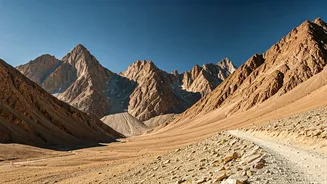
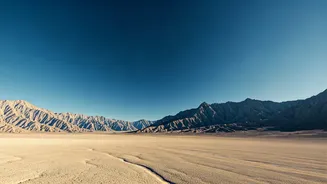
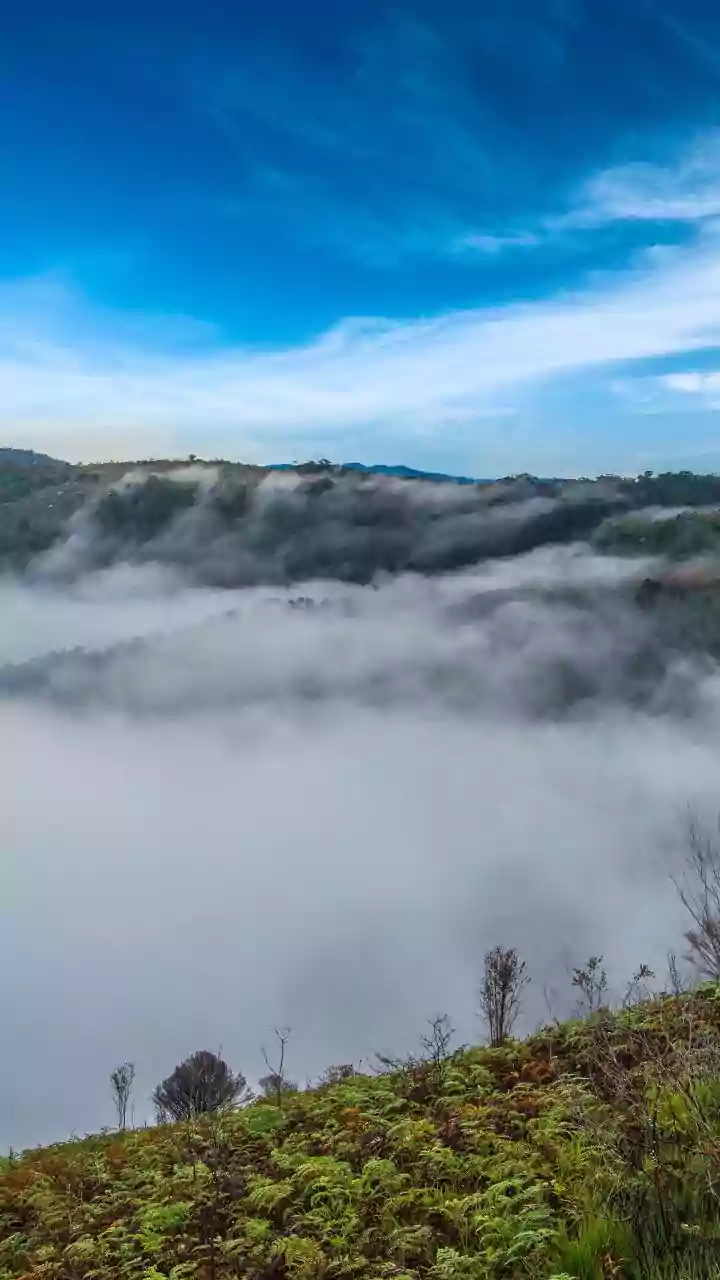
The single biggest reason for Ladakh's July popularity is its unique geography. Nestled in the rain shadow of the mighty Himalayas, Ladakh remains blissfully dry while the rest of the subcontinent is drenched by the monsoon. For Indians weary of humidity
and endless downpours, the promise of crisp mountain air, clear blue skies, and uninterrupted sunshine is an irresistible call. July offers the perfect weather window: warm enough for comfortable sightseeing during the day, with pleasantly cool nights. This climatic advantage makes it the default destination for anyone craving a spectacular summer holiday without the weather-related worries.
The Highways Are Finally Open
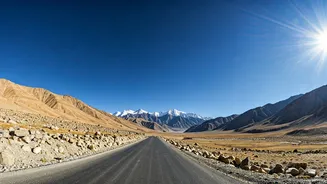
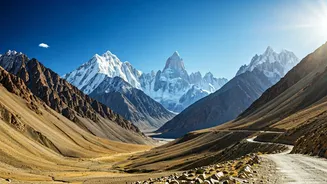
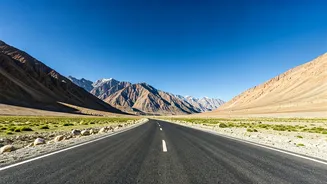
For many, the journey to Ladakh is as important as the destination itself. July is prime time for the iconic road trips that define the Ladakh experience. The two main arteries—the Srinagar-Leh Highway (NH1) and the Manali-Leh Highway—are reliably open and in their best condition during this month. After being buried under snow for nearly half the year, these routes are cleared by the Border Roads Organisation (BRO) in late spring. By July, the risk of surprise snowfalls at high passes like Zoji La or Rohtang Pass is minimal, the roads are relatively stable, and the full, breathtaking panorama of the landscape is accessible to bikers, drivers, and adventurers. This accessibility opens the floodgates for a wave of road-trippers eager to tick off one of India's greatest driving adventures.
Prime Time for Adventure
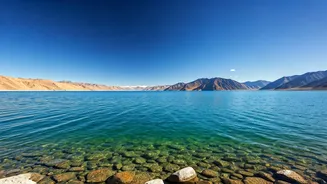
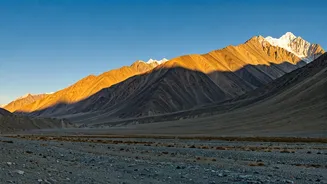
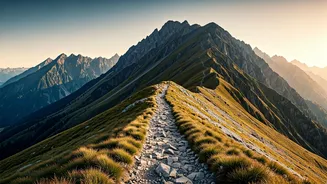
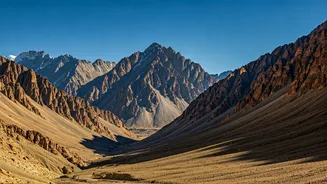
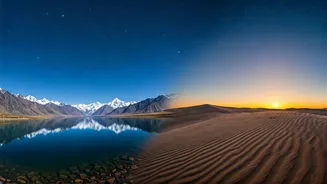
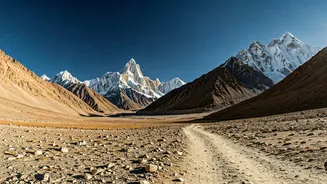
Ladakh is a playground for thrill-seekers, and July's climate creates the perfect conditions for every kind of adventure. The pleasant daytime temperatures, hovering between 20-30°C in Leh, are ideal for trekking. Popular routes like the Markha Valley trek or the journey from Spituk to Stok become accessible and relatively safe. White-water rafting on the Zanskar and Indus rivers is at its most exciting, with water levels fed by melting glaciers. The clear skies are not just for sightseeing; they are also perfect for mountaineering expeditions to peaks like Stok Kangri (acclimatisation permitting). Even casual tourists benefit, as sightseeing trips to Pangong Tso, Nubra Valley, and Tso Moriri are comfortable and offer the best chances for those picture-perfect shots of azure lakes against brown mountains.
A Season of Vibrant Culture
The harsh Ladakhi winter forces a period of hibernation. Summer, therefore, is a time of celebration, and July often falls in the middle of the region’s vibrant festival season. While the famous Hemis Tsechu sometimes falls in late June, other significant monastic festivals like the Yuru Kabgyat at Lamayuru Monastery and Phyang Tsedup often take place in July or August. These festivals are spectacular displays of local culture, featuring colourful masked dances (Chams), traditional music, and large gatherings of local communities. For travellers, witnessing one of these ancient rituals is a profound experience that offers a deeper connection to the region's living Buddhist heritage. The festive atmosphere spills into the towns, making it a lively and engaging time to visit.
The Landscape in Full Bloom
While Ladakh is famous for its stark, barren beauty, summer brings surprising pockets of life to the landscape. In July, the valleys, particularly Nubra and those along the Indus River, are at their greenest. Patches of barley fields create a vivid green contrast against the ochre mountainsides. Wildflowers, including the iconic lavender-like Perovskia, add splashes of colour to the arid terrain. Apricot trees, laden with fruit, are a common sight in villages. This brief but beautiful period of bloom offers a different perspective on the ‘cold desert,’ showcasing its resilience and surprising fertility. It’s a photographer’s dream, capturing the full spectrum of Ladakh’s colours before the landscape returns to its more monochromatic winter state.