





Why Humidity Is a Health Hazard
The constant dampness in the air during monsoon is more than just a comfort issue; it's a health risk for pets. High humidity, often over 80% in many parts of India, prevents your pet's coat from drying properly after a walk or even just being outdoors.
This trapped moisture creates a warm, damp environment right next to their skin—the perfect breeding ground for bacteria and fungi. This is why vets see a significant spike in skin infections, such as pyoderma (bacterial infection) and Malassezia (yeast) overgrowth, every year between June and September. What starts as minor itchiness can quickly escalate into painful hotspots, rashes, and hair loss.
The New Drying Imperative
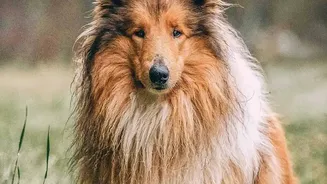
Thoroughly drying your pet is the single most important habit to adopt during the monsoon. Even a short, drizzly walk can leave enough moisture in their undercoat to cause problems. Keep a dedicated, highly absorbent microfiber towel by the door to dry them off immediately. Pay special attention to areas that trap dampness, such as paws, the underbelly, armpits, and any skin folds. For dogs with thick or double coats, a towel alone is often not enough. A pet-friendly hairdryer on a low-heat setting is crucial to ensure their undercoat is completely dry. Leaving a pet half-dried is often worse than skipping a bath entirely.
Upgrading Your Grooming Routine
Regular grooming becomes a preventive health measure in the monsoon. Daily brushing, even for short-haired breeds, helps to remove trapped dirt, detangle fur, and improve air circulation to the skin. This simple act helps distribute the coat's natural oils and allows you to spot any early signs of skin irritation or redness. While it might seem counterintuitive, it's often best to bathe your pet less frequently during this season, as over-bathing can strip natural oils and make their skin more vulnerable. When you do bathe them, consider using a vet-recommended medicated or anti-fungal shampoo for extra protection.
Paw and Ear Care Are Non-Negotiable
Paws and ears are ground zero for monsoon-related infections. Paws are constantly exposed to muddy, contaminated puddles, and the areas between the toes can trap moisture and debris. It's essential to wash and dry your pet’s paws after every single walk. Trimming the hair between the paw pads can also help reduce moisture buildup. Similarly, the humid climate turns a pet's ear canal, especially in floppy-eared breeds, into a warm, dark, moist environment ideal for yeast and bacteria. Gently wipe the outer part of the ears dry after every outing and perform weekly checks for any redness, discharge, or odour.
The Escalating War on Ticks and Fleas
The warmth and humidity of the monsoon create a five-star resort for parasites like ticks and fleas, causing their populations to explode. These pests aren't just an itchy nuisance; in India, they are carriers of serious and sometimes life-threatening diseases like tick fever. A daily tick check is crucial. Run your fingers slowly through your pet's entire coat, paying close attention to warm, hidden spots like inside the ears, under the collar, in the armpits, and between the toes. It is vital to continue your pet’s regular tick and flea prevention plan—whether it's a spot-on treatment, collar, or oral tablet—as prescribed by your veterinarian.
Small Adjustments at Home
Managing your pet's health during the monsoon also involves a few changes indoors. Keep their bedding clean and, most importantly, completely dry. Washing bedding weekly in hot water is a good practice. Ensure your home is well-ventilated to reduce indoor humidity; a dehumidifier can be a great investment in very damp climates. Finally, always provide fresh, clean drinking water, as water-borne diseases also become more common. Store dry food in airtight containers to prevent it from absorbing moisture and growing mould.